For many years, the issue of when a child can commit a crime has been quietly ticking away, but now the Government has stepped in, as they always do, and changed a system that had flaws; instead of fixing them, they have exacerbated them.
In 2024, the Government lifted the age of criminal responsibility, Doli Incapax, to 12 years, meaning children aged 10 and 11 could no longer be held criminally responsible.
Now the chickens have come home to roost with an 11-year-old armed with a kitchen knife, an edged weapon, and an imitation firearm, entering another classroom at a Primary School and injuring an 8-year-old child and a teacher with the knife. As reported in the Herald Sun, 29th of November 2025.
The 11-year-old apparently stormed a grade 1 classroom, making threats.
If that is accurate, it is tough to argue that the 11-year-old didn’t know his action was criminal.
The aggravating factor is that the 11-year-old was carrying a kitchen knife, so he was undoubtedly intending to storm another class, demonstrating an element of planning and premeditation well before the incident.
This was not some schoolyard tiff that got out of hand, but a deliberate, thought-out attack.
The problem is not as narrow as dealing with a young child, but rather that the Courts need to play a role to ensure that the child is put on the right path.
Simply sending a child who has committed what would otherwise be a crime on their way without a hint of a sanction is tantamount to giving them a free ticket, rewarding bad behaviour.
In these circumstances, not only is the 8-year-old a victim, but so is the 11-year-old, a victim of a poor legislative approach to the handling of juvenile crime.
There is a desperate need, at a minimum, to revert to the age provisions previously in place, whereby children between 10 and 14 can only be charged if they understand the criminality they have committed, and if they do not, ask why not?
Removing the 10-year-old limit would be very positive for the child as well as society. Removing the lower restrictions to allow the courts to decide, on a case-by-case basis, and on the evidence, and independently resolve whether the doctrine of Doli Incapax applies in that particular case. This resolves the flawed one-size-fits-all approach.
This would allow the court to make orders to protect the child, if necessary, as well as test whether the child knew what they were doing was criminal.
There was once a provision for dealing with children who were likely to lapse into a life of vice or crime. It might be a good time to resurrect such a provision.
The development of our younger generation now makes them better informed and more mature than that of their peers 20 years ago, but we are raising the age of criminality rather than lowering it, which would be more practical.
Allowing anybody of any age, but particularly young people, a free ride to flaunt the law and commit heinous crimes, which this 11-year-old did, is a recipe for disaster, promoting the idea that crime is free from sanctions, which therefore loses its deterrent effect.
The chance of this 11-year-old ending up on the end of a machete is real; it will be sheer luck which end he ends up on.
We need to remember that a child of any age can swing an edged weapon – the weapon does not discriminate by age.
The legal concept of Doli Incapax is surely outdated. Ten-year-olds should have had four or five years of schooling. If they have not received education on the evils of criminal behaviour by then, it is a sad indictment of their parents and particularly of the education system.
We live in hope that in this country we will not stoop to such ridiculous levels to justify criminal behaviour.
There is no sound justification for allowing Drug users to be part of the solution when they are the problem. It’s like handing over the problem of alcoholism to alcoholics. A free grog policy is inevitable.
These hair-brained strategies are often argued to be a solution, perhaps a solution like solving the speeding problem by eliminating speed limits, solving shop stealing by legalising the removal of items from a shop, the list goes on.
The endgame is a complete breakdown of law and order, chaos in all our lives.
Having users and addicts designing and implementing drug policy can never succeed, especially when those groups are in denial. Ask any drug addict or alcoholic if they are addicted, and the answer is, by and large, emphatically, “No, I could give it up at any time”.
What is often overlooked in the entire drug addiction debate is the real victims of this vile trade—not the addicts themselves, but their families and all the innocent people affected by the crimes committed to sustain their addiction. All the resources spent on their self-inflicted dependency and treatment come at our expense. Yet, that is never acknowledged by the progressive “harm reduction” advocates, who seem hell-bent on normalising the behaviour and creating a society based on a Drug nirvana, all while they are high on the drugs they are supposed to manage.
Instead of the harm reduction approach, drug use or addiction must be excluded as a mitigating factor in criminal prosecutions and sentencing, with a focus on the offence and the perpetrators’ culpability.
The bottom line is that very few of the many thousands of addicts were forced to take the drugs they became addicted to. Equally, they never sought help, but addicts taking responsibility is very rare indeed.
Canada’s policy of deferring to the “leadership” of drug users has proved predictably disastrous. The United States (and Australia) should take heed.
Progressive “harm reduction” advocates have insisted for decades that active users should take a central role in crafting drug policy. While this belief is profoundly reckless—akin to letting drunk drivers set traffic laws—it is now entrenched in many left-leaning jurisdictions. The harms and absurdities of the position cannot be understated.
While the harm-reduction movement is best known for championing public-health interventions that supposedly minimise the negative effects of drug use, it also has a “social justice” component. In this context, harm reduction tries to redefine addicts as a persecuted minority and illicit drug use as a human right.
This campaign traces its roots to the 1980s and early 1990s, when “queer” activists, desperate to reduce the spread of HIV, began operating underground needle exchanges to curb infections among drug users. These exchanges and similar efforts allowed some more extreme LGBTQ groups to form close bonds with addicts and drug-reform advocates. Together, they normalised the concept of harm reduction, such that, within a few years, needle exchanges would become officially sanctioned public-health interventions.
The alliance between these more radical gay rights advocates and harm-reduction proponents proved enduring. Drug addiction remained linked to HIV, and both groups shared a deep hostility to the police, capitalism, and society’s “moralising” forces.
In the 1990s, harm-reduction proponents imitated the LGBTQ community’s advocacy tactics. They realised that addicts would have greater political capital if they were considered a persecuted minority group, which could legitimise their demands for extensive accommodations and legal protections under human rights laws. Harm reductionists thus argued that addiction was a kind of disability, and that, like the disabled, active users were victims of social exclusion who should be given a leading role in crafting drug policy.
These arguments were not entirely specious. Addiction can reasonably be considered a mental and physical disability because illicit drugs hijack users’ brains and bodies. But being disabled doesn’t necessarily mean that one is part of a persecuted group, much less that one should be given control over public policy.
More fundamentally, advocates were wrong to argue that the stigma associated with drug addiction was senseless persecution. In fact, it was a reasonable response to anti-social behaviour. Drug addiction severely impairs a person’s judgment, often making him a threat to himself and others. Someone who is constantly high and must rob others to fuel his habit is a self-evident danger to society.
Despite these obvious pitfalls, portraying drug addicts as a persecuted minority group became increasingly popular in the 2000s, thanks to several North American AIDS organisations that pivoted to addiction work after the HIV epidemic subsided.
In 2005, the Canadian HIV/AIDS Legal Network published a report titled “Nothing about us without us.” (The nonprofit joined other groups in publishing an international version in 2008.) The 2005 report included a “manifesto” written by Canadian drug users, who complained that they were “among the most vilified and demonised groups in society” and demanded that policymakers respect their “expertise and professionalism in addressing drug use.”
The international report argued that addiction qualified as a disability under international human rights treaties, and called on governments to “enact anti-discrimination or protective laws to reduce human rights violations based on dependence to drugs.” It further advised that drug users be heavily involved in addiction-related policy and decision-making bodies; that addict-led organisations be established and amply funded; and that “community-based organisations. . . increase involvement of people who use drugs at all levels of the organisation.”
While the international report suggested that addicts could serve as effective policymakers, it also presented them as incapable of basic professionalism. In a list of “dos and don’ts,” the authors counselled potential employers to pay addicts in cash and not to pass judgment if the money was spent on drugs.
They also encouraged policymakers to hold meetings “in a low-key setting or in a setting where users already hang out,” and to avoid scheduling meetings at “9 a.m., or on welfare cheque issue day.” In cases where addicts must travel for policy-related work, the report recommended policymakers provide “access to sterile injecting equipment” and “advice from a local person who uses drugs.”
The international report further asserted that if an organisation’s employees—even those who are former drug users—were bothered by the presence of addicts, then management should refer those employees to counselling at the organisation’s expense. “Under no circumstances should [drug addicts] be reprimanded, singled out or made to feel responsible in any way for the triggering responses of others,” stressed the authors.
Reflecting the document’s general hostility to recovery, the international report emphasized that former drug addicts “can never replace involvement of active users” in public policy work, because people in recovery “may be somewhat disconnected from the community they seek to represent, may have other priorities than active users, may sometimes even have different and conflicting agenda, and may find it difficult to be around people who currently use drugs.”
The messaging in these reports proved highly influential throughout the 2000s and 2010s.
In Canada, federal and provincial human rights legislation expanded to protect active addicts on the basis of disability. Reformers in the United States mirrored Canadian activists’ appeals to addicts’ “lived experience,” albeit with less success. For now, American anti-discrimination protections only extend to people who have a history of addiction but who are not actively using drugs.
The harm reduction movement reached its zenith in the early 2020s, after the COVID-19 pandemic swept the world and instigated a global spike in addiction. During this period, North American drug-reform activists again promoted the importance of treating addicts like public-health experts.
Canada was at the forefront of this push. For example, the Canadian Association of People Who Use Drugs released its “Hear Us, See Us, Respect Us” report in 2021, which recommended that organisations “deliberately choose to normalise the culture of drug use” and pay addicts $25-50 per hour.
The authors stressed that employers should pay addicts “under the table” in cash to avoid jeopardising access to government benefits.
In 2024, British Columbia’s top doctor even called for the legalisation of all illicit drugs (“non-medical safer supply”) primarily on the basis of addict testimonials, with almost no other supporting evidence.
For Canadian policymakers, deferring to the “lived experiences” and “leadership” of drug users meant giving addicts almost everything they asked for. The results were predictably disastrous: crime, public disorder, overdoses, and program fraud skyrocketed. Things have been less dire in the United States, where the harm reduction movement is much weaker.
But Americans(and Australians) should be vigilant and ensure that this ideology does not flower in their own backyard.
This headline screamed in the Herald Sun, 8th of September 2025, suggesting a rift has been triggered between the Government and the Police.
It is a pity that the reality escaped the journalist because in this instance, a Detective Inspector gave a press statement expressing his professional view, and that should be encouraged, not pilloried.
We do not see a rift, breaking ranks or anything resembling that. What we do see, however, and it is very pleasing, is the Police exercising the separation of powers.
The Politicians are entitled to express their views, and because the Police Force is an independent authority, they should be able to express theirs.
Something we have failed to see for over a decade, as consecutive Police Commissioners gagged Police members.
It does not help us at all to have the Government, the Judiciary and the Police collaborating on communication to the people who employ them, us.
An independent approach is much healthier for the community and the State overall, as it will highlight where the problems exist and make the various Pillars of Law enforcement accountable; they can’t hide behind each other.
If the Judiciary, the Government, or the Police are not performing to community expectations, it is incumbent on the professionals within these branches of law enforcement to expose the truth. Law enforcement will benefit, as will the community.
We may now see many more members of the Force who express their professional views, like Detective Inspector Graham Banks.
There will be several major benefits in this shift away from gagging the Police.
A better-informed community will therefore pressure the areas of Law enforcement that are failing to perform to their expectations, and we accept that on occasions this will impact the Force; however, exposing factual information about police failings makes for a better Police Force.
A former Chief Commissioner, the late Mick Miller, once told me that praise for the work of the Police was welcome, albeit warm and fuzzy, but the real benefit came from the Force critics that bring about improved performance.
The Force has no hope of improving without positive feedback.
For too long, the Force has operated under a cone of silence, hoping that any failings will go unnoticed and unexposed by the Police themselves.
The immediate and positive consequence of this change will be a dramatic improvement in the satisfaction levels and confidence the community has in their Force.
This change will also have a dramatic and positive effect on Police morale. Seeing their leaders demonstrate leadership is very healthy, and it gives confidence to all Police that others are not manipulating them. This approach also ensures that the views of the police are being heard.
It behoves all former Police to make themselves heard on this issue in support of Banks and the Chief Commissioner.
The experiences the Police were exposed to during the COVID-19 Pandemic at times were akin to stormtroopers, and had a deleterious effect on all members, current and former, and most of the impact resonates to this day, having perhaps irreparably damaged the relationship between the Police and the community.
Seeing the Police Force used as an instrument of Government must never happen again.
To avoid repetition, more Police leaders like Banks should stand up to express their professional views, making the force healthier.
There have been far too many good former Police officers who lost their careers because they spoke out, making this change even more refreshing, if not bittersweet.
The New Chief Commissioner, Mike Bush, can proudly accept the plaudits for this change under his regime and leadership.
Oregon and British Columbia neglected to coerce addicts into treatment
CAA Comment.
There is, however, only one course of action now available to Governments to reduce the number of wasted lives and premature deaths of addicts and the burgeoning crime rates associated with the Drug scourge.
It is all a matter of will, as the cost to dramatically reduce the problem will be cost-neutral. Drug abuse and use are directly connected to the criminal disposition (or non-compliance with the law) of the user. All the other excuses trotted out are white noise intended to give the drug industry credibility, and the victims, well, they don’t count, whether they are the victims of the addiction or the crime and social cost burden on all law-abiding citizens.
To achieve meaningful impact on the issue, there is no quick fix, but a need to develop a strategy where all children are educated through their formative years to equip them with the resilience capacity to avoid the temptation and excitement built around defying the laws and experimenting with drugs.
A campaign built around the ‘Say no to drugs’ message coordinated through every level of the education process is the only method by which meaningful change can occur. This effort must also be replicated in all media similar to the successful ‘Quit ‘ campaign.
The argument that there is no room in the current crowded curriculum to include the delivery of this strategy is ignorant nonsense, as making no effort to educate children in the education system about the perils of drug use is a gross failure by that system. The adverse consequences of the current approach include the loss of lives and the victimisation of the community, the antithesis of what education is supposed to be all about. Oddly, we all thought the goal of ‘Being Educated’ was to improve lives, but that improvement does not include one of the worst scourges of our society.
With minimal resources, the CAA is trying to address this issue, where nobody else is really trying, and certainly, there is no coordination of effort.
We are currently working towards the establishment of the CAA Youth Justice Panel, with expressions of interest from organisations, dedicated professionals, and individuals to work to develop a coordinated strategy to address the problem.
Expressions of interest should be emailed to the CEO@caainc.org.au.
[This article was originally published in City Journal, a public policy magazine and website published by the Manhattan Institute for Policy Research]
Ever since Portugal enacted drug decriminalisation in 2001, reformers have argued that North America should follow suit. The Portuguese saw precipitous declines in overdoses and blood-borne infections, they argued, so why not adopt their approach?
But when Oregon and British Columbia decriminalized drugs in the early 2020s, the results were so catastrophic that both jurisdictions quickly reversed course. Why? The reason is simple: American and Canadian policymakers failed to grasp what led to the Portuguese model’s initial success.
Contrary to popular belief, Portugal does not allow consequence-free drug use. While the country treats the possession of illicit drugs for personal use as an administrative offence, it nonetheless summons apprehended drug users to “dissuasion” commissions composed of doctors, social workers, and lawyers. These commissions assess a drug user’s health, consumption habits, and socioeconomic circumstances before using arbitrator-like powers to impose appropriate sanctions.
These sanctions depend on the nature of the offence. In less severe cases, users receive warnings, small fines, or compulsory drug education. Severe or repeat offenders, however, can be banned from visiting certain places or people, or even have their property confiscated. Offenders who fail to comply are subject to wage garnishment.
Throughout the process, users are strongly encouraged to seek voluntary drug treatment, with most penalties waived if they accept. In the first few years after decriminalisation, Portugal made significant investments into its national addiction and mental-health infrastructure (e.g., methadone clinics) to ensure that it had sufficient capacity to absorb these patients.
This form of decriminalisation is far less radical than its North American proponents assume. In effect, Portugal created an alternative justice system that coercively diverts addicts into rehab instead of jail. That users are not criminally charged does not mean they are not held accountable. Further, the country still criminalises the public consumption and trafficking of illicit drugs.
At first, Portugal’s decriminalization experiment was a clear success. During the 2000s, drug-related HIV infections halved, non-criminal drug seizures surged 500 per cent, and the number of addicts in treatment rose by two-thirds. While the data are conflicting on whether overall drug use increased or decreased, it is widely accepted that decriminalisation did not, at first, lead to a tidal wave of new addiction cases.
Then things changed. The 2008 global financial crisis destabilised the Portuguese economy and prompted austerity measures that slashed public drug-treatment capacity. Wait times for state-funded rehab ballooned, sometimes reaching a year. Police stopped citing addicts for possession, or even public consumption, believing that the country’s dissuasion commissions had grown dysfunctional. Worse, to cut costs, the government outsourced many of its addiction services to ideological nonprofits that prioritised “harm reduction” services (e.g., distributing clean crack pipes, operating “safe consumption” sites) over nudging users into rehab. These factors gradually transformed the Portuguese system from one focused on recovery to one that enables and normalises addiction.
This shift accelerated after the COVID-19 pandemic. As crime and public disorder rose, more discarded drug paraphernalia littered the streets. The national overdose rate reached a 12-year high in 2023, and that year, the police chief of the country’s second-largest city told the Washington Post that, anecdotally, the drug problem seemed comparable to what it was before decriminalisation. Amid the chaos, some community leaders demanded reform, sparking a debate that continues today.
In North America, however, progressive policymakers seem entirely unaware of these developments and the role that treatment and coercion played in Portugal’s initial success.
In late 2020, Oregon embarked on its own drug decriminalization experiment, known as Measure 110. Though proponents cited Portugal’s success, unlike the European nation, Oregon failed to establish any substantive coercive mechanisms to divert addicts into treatment. The state merely gave drug users a choice between paying a $100 ticket or calling a health hotline. Because the state imposed no penalty for failing to follow through with either option, drug possession effectively became a consequence-free behaviour. Police data from 2022, for example, found that 81 per cent of ticketed individuals simply ignored their fines.
Additionally, the state failed to invest in treatment capacity and actually defunded existing drug-use-prevention programs to finance Measure 110’s unused support systems, such as the health hotline.
The results were disastrous. Overdose deaths spiked almost 50 per cent between 2021 and 2023. Crime and public drug use became so rampant in Portland that state leaders declared a 90-day fentanyl emergency in early 2024. Facing withering public backlash, Oregon ended its decriminalization experiment in the spring of 2024 after almost four years of failure.
The same story played out in British Columbia, which launched a three-year decriminalization pilot project in January 2023. British Columbia, like Oregon, declined to establish dissuasion commissions. Instead, because Canadian policymakers assumed that “destigmatising” treatment would lead more addicts to pursue it, their new system employed no coercive tools. Drug users caught with fewer than 2.5 grams of illicit substances were simply given a card with local health and social service contacts.
This approach, too, proved calamitous. Open drug use and public disorder exploded throughout the province. Parents complained about the proliferation of discarded syringes on their children’s playgrounds. The public was further scandalised by the discovery that addicts were permitted to smoke fentanyl and meth openly in hospitals, including in shared patient rooms. A 2025 study published in JAMA Health Forum, which compared British Columbia with several other Canadian provinces, found that the decriminalization pilot was associated with a spike in opioid hospitalisations.
The province’s progressive government mostly recriminalized drugs in early 2024, cutting the pilot short by two years. Their motivations were seemingly political, with polling data showing burgeoning support for their conservative rivals.
The lessons here are straightforward. Portugal’s decriminalisation worked initially because it did not remove consequences for drug users. It imposed a robust system of non-criminal sanctions to control addicts’ behaviour and coerce them into well-funded, highly accessible treatment facilities.
Done right, decriminalisation should result in the normalisation of rehabilitation—not of drug use. Portugal discovered this 20 years ago and then slowly lost the plot. North American policymakers, on the other hand, never understood the story to begin with.
We have long advocated for the use of Water Cannons for crowd control, but there continues to be reluctance both within the force and outside; however, most of the criticism from outside seems to come from those in the community who likely promote and drive unlawful behaviour in demonstrations.
We strongly support the notion of people’s right to peacefully demonstrate in public places for whatever legal cause motivates them; however, we are equally opposed to violent or destructive behaviour that disrupts the rest of the community from going about their lives.
What is often not discussed is the large number of police needed to manage violent or disruptive demonstrations. The impacts are not only on the people directly affected in the vicinity of the rally, but also on the broader community, where police are drawn away from the protection services they provide.
Crime and other community disorders do not stop because the local police are drawn away for these other duties
The effectiveness of policing and their ability to maintain law and order are directly proportional to the number of Police deployed as well as their deployment strategies.
The first major step is to convince the Government to introduce a permit system similar to the systems introduced in other States. At least that way, the line can be drawn to minimise the impact on other citizens and remove the grey area of legal or illegal demonstrations. A legal demonstration with parameters of a permit reduces the likelihood of the rally getting out of hand and becoming an unlawful gathering.
With the lack of Police, the provision of an effective alternative that can dramatically reduce the demand on police numbers to deal with these matters is a sensible and, we would have thought, urgent issue.
The use of Water Cannons should not be contentious, as the benefits far outweigh the negatives. The community is sick of non-decisive actions by police, particularly when they engage in running street battles, evident during COVID.
The most significant effect that Water Cannons can have is one of prevention, a key component of effective policing.
The main points are,
Purpose and Tactical Value
Non-lethal deterrent: Water cannons offer a forceful but non-lethal method of dispersing crowds when unrest escalates beyond verbal negotiation or breach of physical barriers.
Area-wide impact: Unlike batons, pepper spray or other alleged non-lethal devices, Water Cannons can affect a broad zone, reducing the need for close-quarters confrontation that may provoke further violence.
Equipment-based control: By utilising mechanised dispersal, law enforcement can minimise direct physical engagement, limiting the potential for personal injury to both Police and protesters.
Safety and Risk Mitigation
Lower risk than alternatives. When appropriately calibrated, water cannons pose fewer long-term health risks than chemical agents like tear gas, rubber bullets or other alleged non-lethal equipment.
Controlled escalation: They offer a step between passive observation and full riot gear deployment, aligning with principles of measured response and proportionality.
Visibility and accountability: The use of water is visible and recorded, which promotes transparency. Water cannons are used openly and can be appropriately managed.
Legal and Ethics
Compliance with use-of-force guidelines: When deployed with clear protocols and oversight, water cannons can comply with international standards on crowd management.
Supports lawful assembly while responding to violence:
Their use can be strategically restricted to situations where protest becomes violent or dangerously obstructive, thereby preserving the rights of peaceful demonstrators while curbing escalation.
Other Considerations
Public safety alignment: In urban settings prone to high-density gatherings, water cannons offer scalable, crowd-reshaping options that uphold infrastructure integrity and prevent stampedes.
Deterrent psychology: The visual and auditory presence of water cannons alone may dissuade violence without active deployment, serving as a psychological buffer.
The issue, in part, is the overall cost of this equipment. However, the savings on police costs alone would quickly outweigh the purchase cost of a water cannon.
It is time for action, not the inaction we have experienced for years and the hidden costs the community endures from lawless behaviour. It is not only the inconvenience, but also the danger of out-of-control demonstrations, that must be reduced.
The CAA calls upon the Government to provide the Victoria Police with a water cannon immediately. To do so makes operational and economic sense.
Depending on who you’re speaking to, the responsibility for managing drugs and crime in our community varies. While the issue should be clear, we can only assume that politicians, departmental mandarins, and executives in affected authorities are more interested in their own biases and statistics than in addressing the problems the community faces, with the dangers intrinsic in their lives.
Many in authority have a straightforward, divisive mantra: crime is a Law-and-Order issue, illicit drugs are a health issue. While that is true, it is a matter open for interpretation, and it shouldn’t be. At first glance, this seems unambiguous, but it is quite misleading. While the effects of illicit drugs on individuals are indeed a health matter, until the drugs are ingested, it remains a Law-and-Order issue.
Additionally, the act of ingestion is criminal, as are most activities leading up to it. The promotion of the drug issue as a health matter is a manipulation of reality by the pro-drug lobby, who are relentless in their quest to decriminalise the use of illicit drugs. The drug apologists are a clandestine group not easily identified until they start to pursue their agenda. It always concerns us that the enthusiasm and relentless wielding of influence by these people only serve the criminal cartels.
Their main aim is to legalise drugs; they then develop questionable legal activities off the back of decriminalisation.
The most significant concern is that these apologists are promoting the normalisation of the drug scourge, which leaves and multiplies the number, inflicting terrible scars on people in the community from which many will never recover. It is not just the users, but their families and the community at large who are ultimately the victims.
The ignorance of apologists who appear to live in a utopian world where legalising drug use will somehow be beneficial for addicts and users, and will somehow reduce or remove crime, is problematic. Aside from street-level crime, which will persist as addicts and users have built a way of life that legislation won’t change, why work when they can survive stealing from shops? However, the crime cartels will very quickly adjust and compete directly to ensure their river of gold keeps flowing.
What is rarely discussed or acknowledged is that drug users, whether addicted or not, are often hooked on the lifestyle itself, which they find thrilling and a place where they feel they belong. They have no responsibilities other than scoring drugs and, of course, funding these pursuits through crime, supplementing their welfare benefits, a consequence of which is another impact on society that is rarely discussed.
With this situation, the real issue remains unresolved.
We would strongly argue that intervention at an early age is the most effective way to make progress on reducing this problem, as prevention is the only cure, given that all other efforts to date have failed.
And on this issue, the authorities dodge and weave with feeble excuses.
Canada, which is arguably the leader in addressing the combined problem, has now concentrated on four key behavioural issues and has developed programs to teach their children as part of their school curriculum: anxiety sensitivity, sensation seeking, impulsivity, and hopelessness management skills.
These traits go beyond the either-or approach to drugs or crime, focusing on characteristics that a positive identity can help young people develop in their formative years, thereby reducing the likelihood of them seeking to negatively exploit any of these traits. The key point is that the main aim of reducing drug use and crime is never explicitly mentioned. Instead, the focus is on traits that could have an adverse influence on a young person.
The research on the effectiveness of this approach is very encouraging.
This approach, alongside or combined with ‘Resilience Training’, represents the way forward to achieving meaningful and measurable results.
What is unfortunate is the lack of leadership in advancing this approach.
While leaders argue over whose responsibility it is, it echoes the old proverb about Nero fiddling while Rome burns.
A legitimate question is what about those already caught in the cycle of crime and drug use? Our view is that current programs for these individuals should continue only if they reduce further drug use. Shifting the focus to prevention is the only sensible way forward.
Those who argue in favour of excusing existing addicts need to remember that the vast majority are in their predicament by choice, and therefore should accept responsibility for their situation.
We will publish more details of this new Canadian approach in upcoming articles. “Drugs and Crime.”
The Victorian Government’s decision not to test drivers for cocaine or heroin has sparked significant public concern and criticism, as reported in the Herald Sun on July 11, 2025.
The move comes despite rising community awareness and concern about drug-impaired driving, especially involving substances like cocaine.
The government has defended its stance by citing technical limitations in current roadside drug testing technology, whatever that means. These technical problems apparently do not exist or were overcome in other States that undertake the testing, which makes it sound suspiciously like a cop out.
Unlike cannabis, methamphetamine, and MDMA, which are detectable with existing saliva tests, cocaine and heroin require more complex and costly saliva testing. While this testing is commonplace in other States, Victoria remains the outlier.
Officials argue that expanding the testing regime would require substantial investment and legislative changes, which they claim are not currently feasible.
Perhaps the data they are relying on has a glaring anomaly. If they are not testing drivers involved in road crashes or randomly on drivers using our roads, then how do they know the problem doesn’t exist? Have they looked at the experience of other States?
An experienced Police Officer was quoted in the article as saying, “You’ve basically got to crash the car.” That member said the use of the drug was booming, as he was reminded on a recent night out at a licensed venue. “There were people snorting cocaine in a toilet cubicle next to me,” he said.
The lack of willingness to test for cocaine may well be motivated because that drug is the go-to choice for the fashionable elites, and of course, you cannot get busted driving home, as it is common knowledge that police can’t test for it.
Furthermore, the same non-testing regime exists for Heroin, and we have the ludicrous situation where a government-sponsored Heroin injecting facility in Richmond attracts addicts from all over Melbourne, and many of them drive to the facility.
What is alarming is that they return to their vehicle after shooting up in the facility and drive away. Police are ill-equipped to deal with this issue.
Without the ability to test those drivers, the risk to the community is unacceptable.
Critics, including road safety advocates and opposition politicians, assert that this decision weakens efforts to cut drug-related accidents and sends the wrong message about enforcement priorities. They highlight data showing an increase in cocaine use, especially among younger groups, and call for urgent updates to testing protocols to keep up with changing drug trends.
This refusal to facilitate testing of drivers for Cocaine and Heroin is another example of the Government being blind to the unintended consequences.
On 7 June 2025 the Community Advocacy Alliance (CAA) was given a presentation by Asssociate Professor Dr Michael Akindeju PhD CEng, RPEQ, PgD (Banking and Finance) FIChemE, FRACI, SMAIChE, MausIMM on new technology designed to detect alcohol and many other substances in a person’s system and measure their level of cognitive impairment, if any.
The CAA, as a registered charity, cannot and does not endorse any commercial product or process.
However, in the public interest, we may from time to time bring to notice anything that may potentially make our community safer.
Hereunder is information provided by Dr Akindeju,
The IntoxiSense revolutionary technology comes in two models, named “IntoxiSense 1” and “IntoxiSense 2“ and is designed to elevate safety across industries and communities.
What Makes IntoxiSense Revolutionary?
Instantaneous Onsite Detection: Saliva & sweat swabs provide real-time results.
Cognitive Impairment Measurement: Provides accurate analysis beyond substance presence.
Portable & Non-Invasive: Field-deployable, easy to use, and actionable in under 5 minutes.
Industry Adaptability: Supports law enforcement, fleet management, healthcare, aviation, construction, etc.
Aligns with and supports Standard of proof.
IntoxiSense technology provides four levels of results. Not cognitively impaired. Likely not cognitively impaired. Likely cognitively impaired. Cognitively impaired.
CAA Comment: Rather than the present ‘one size fits all’ approach, the ability to accurately measure the level of a person’s actual cognitive impairment when they test positive to alcohol or an illicit substance would be a giant step forward in the administration of justice, for police in determining what, if any, charges should be laid, and in courts determining penalties upon conviction.
Additionally, many potentially dangerous occupations would greatly benefit from knowing if those involved are fit to work safely and are not suffering from cognitive impairment.
Use of the IntoxiSense technology would obviously improve community safety across a wide range of activities.
Clearly, to be utilised in many situations enabling legislation would be required.
The CAA suggests relevant authorities, if interested, run their own trials of this important new technology, as, if successful, the potential benefits to the community in injuries avoided and lives saved cannot be overstated.
IntoxiSense Contact details:
MKPro Group
Process Technologies, Development, Design, and Management
New Canadian research shows a connection between heavy cannabis use and dementia, heart attacks, schizophrenia and even death.
CAA comment.
Harmless, nothing to worry about, non-addictive, just a party thing and a raft of other superlatives that have been relentlessly pushed at us by drug users justifying their use of Cannabis. The pressure on legislators from twisted lawmakers elected on the ‘Weed Ticket’ is arguing that there is no harm in cannabis, but it is, in fact, a wonder drug that can assist humanity. So persistent is this lobby that Governments in Victoria are giving the concept of legalising Cannabis for personal use some consideration.
This article dishes facts that blow the cannabis acolytes’ bubble.
If the Government is persuaded, after reading this, the next question is, how they propose to manage and avoid abuse of personal use laws, or do they not think beyond the basic premise, legalise or not?
This is an issue that once out of the bag will never be put back in, much less managed or controlled; it is sure to be a drug, free-for-all.
The question remains, will our legislators be wise and strong enough to avoid the cannabis pitfall?
“Although marijuana has never been shown to have a gateway effect, three drug initiation facts support the notion that marijuana use raises the risk of hard-drug use:
Marijuana users are many times more likely than nonusers to progress to hard-drug use.
Almost all who have used both marijuana and hard drugs used marijuana first.
The greater the frequency of marijuana use, the greater the likelihood of using hard drugs later.”
Author: Andrew R. Morral, Daniel F. McCaffrey, Susan M. Paddock
Publish Year: 2002
The risks associated with the legalisation of cannabis far outweigh the arguments for it.
Six months ago, doctors in Boston began noticing a concerning trend: young patients were showing up in emergency rooms with atypical symptoms and being diagnosed with heart attacks.
“The link between them was that they were heavy cannabis users,” Dr. Ahmed Mahmoud, a cardiovascular researcher and physician in Boston, told Canadian Affairs in an interview.
These frontline observations mirror emerging evidence by Canadian researchers showing heavy cannabis use is associated with significant adverse health impacts, including heart attacks, schizophrenia and dementia.
Sources warn public health measures are not keeping pace with rapid changes to cannabis products as the market is commercialised.
“The irony of this moment is that society’s risk perception of cannabis is at an all-time low, at the exact moment that the substance is probably having increasingly negative health impacts,” said Dr. Daniel Myran, a physician and Canada Research Chair at the University of Ottawa. Myran was lead researcher on three new Canadian studies on cannabis’ negative health impacts.
Legalisation
Canada was the first G7 country to create a commercial cannabis market when it legalised the production and sale of cannabis in 2018.
The drug is now widely used in Canada.
In the 2024 Canadian Cannabis Survey, an annual government survey of cannabis trends, 26 per cent of respondents said they used cannabis for non-medical purposes in the past year, up from 22 per cent in 2018. Among youth, that number was 41 per cent.
Health Canada’s website warns that cannabis use can lower blood pressure and raise heart rates, which can increase the risk of a heart attack. But the warnings on cannabis product labels vary. Some mention risks of anxiety or effects on memory and concentration, but make no mention of cardiovascular risks.
The annual cannabis survey also shows a significant percentage of Canadians remain unaware of cannabis’ health risks.
In the survey, only 70 per cent of respondents said they had enough reliable information to make informed decisions about cannabis use. And 50 per cent of respondents said they had not seen any education campaigns or public health messages about cannabis.
At the same time, researchers are finding mounting evidence that cannabis use is associated with health risks.
A 2023 study by researchers at the University of Calgary, the University of Alberta and Alberta Health Services found that adults with cannabis use disorder faced a 60 per cent higher risk of experiencing adverse cardiovascular events, including heart attacks. Cannabis use disorder is marked by the inability to stop using cannabis despite negative consequences, such as work, social, legal or health issues.
Between February and April of this year, three other Canadian studies linked frequent cannabis use to elevated risks of developing schizophrenia, dementia and mortality. These studies were primarily conducted by researchers at the Ottawa Hospital Research Institute and ICES uOttawa (formerly the Institute for Clinical Evaluative Sciences).
“These results suggest that individuals who require hospital-based care for a [cannabis use disorder] may be at increased risk of premature death,” said the study linking cannabis-related hospital visits with increased mortality rates.
The three 2024 studies all examined the impacts of severe cannabis use, suggesting more moderate users may face lower risks. The researchers also cautioned that their research shows a correlation between heavy cannabis use and adverse health effects, but does not establish causality.
Budtenders
Health experts say they are troubled by the widespread perception that cannabis is entirely benign.
“It has some benefits, it has some side effects,” said the Boston cardiovascular researcher, Mahmoud. “We need to raise awareness about the side effects and benefits.”
Some also expressed concern that the commercialisation of cannabis products in Canada has created a race to produce products with elevated levels of THC. This main psychoactive compound produces a “high.”
THC levels have more than doubled since legalisation, yet even products with high THC levels are marketed as harmless.
“The products that are on the market are evolving in ways that are concerning,” Myran said. “Higher THC products are associated with considerably more risk.”
Myran views cannabis decriminalisation as a public health success, because it keeps young people out of the criminal justice system and reduces inequities faced by Indigenous and racialised groups.
“[But] I do not think that you need to create a commercial cannabis market or industry to achieve those public health benefits,” he said.
Since decriminalisation, the provinces have taken different approaches to regulating cannabis. But even in provinces where governments control cannabis distribution, such as New Brunswick and Nova Scotia, products with high THC levels dominate retail shelves and online storefronts.
In Myran’s view, federal and provincial governments should instead be focused on curbing harmful use patterns, rather than promoting cannabis sales.
Ian Culbert, executive director of the Canadian Public Health Association, thinks governments’ financial interest in the cannabis industry creates a conflict of interest.
“[As with] all regulated substances, governments are addicted to the revenue they create,” he said. “But they also have a responsibility to safeguard the well-being of citizens.”
Culbert believes cannabis retailers should be required to educate customers about health risks, just as bartenders are required to undergo Smart Serve training and lottery corporations are needed to mitigate the risks of gambling addiction.
“Give ‘budtenders’ the training around potential health risks,” he said.
“While cannabis may not be the cause of some of these adverse health events … it is the intersection at which an intervention can take place through the transaction of sales.
So, is there something we can do there that can change the trajectory of a person’s life?”
Sublocade, a powerful medication to treat opioid addiction, is poised to become more accessible. But rapid access is only part of the
CAA Comment
The Canadians are leading the way in dealing with the illicit drug issue with further information about new drugs that can remove the cravings for opioids. We all recognise that the addiction extends past the cravings for a high and includes behavioural addictions like wanting to meet with like-minded people (friends?), the drug culture.
This part of the drug culture is harder to address in many ways than the addiction to the drug of choice. This is where the Police come to the fore. Police who focus on street-level interactions between addicts must be the priority and, in many ways, is more important than targeting the Mr Bigs in the industry. Targeting street-level addicts will firstly disperse them and then make it harder for them to access the drugs they crave, leading to more addicts seeking a medical escape from their addiction and putting muffled pressure on the dealers, making their trade more difficult to function.
The added bonus of reduced public exposure of addicts will reduce the likelihood of others, not addicted, particularly children, being exposed and therefore attracted to the drug scene.
This will also impact the crime related to servicing addictions, an aspect of the drug culture conveniently overlooked by the pro-drug lobby.
We are, however, very slowly, on an international scale, moving towards effective management of this hideous affliction that ruins otherwise good lives and impacts dramatically and adversely on national economies.
It may well be the financial impact that hastens this.
We will see in time the concept of direct and involuntary intervention in drug management become an accepted norm with the advances in medication, that time is fast approaching.
A powerful medication to treat fentanyl addiction is poised to become more accessible in Canada.
Sublocade is a long-acting medication that prevents fentanyl users from experiencing a high from fentanyl, thereby reducing cravings for the drug. It also offers robust protection from an opioid overdose.
On Feb. 24, the U.S. Food and Drug Administration approved new guidelines for how the medication can be administered, enabling U.S. health-care providers to prescribe Sublocade to patients with opioid use disorder after just one hour of observing them. Previously, patients needed to participate in a week-long observation period.
Experts say they expect Canada to follow suit, as Sublocade is already being used off-label in Canada to treat fentanyl addiction.
“To get [patients] started on Sublocade, all in one day, right now that’s all off-label,” said Dr. Janel Gracey, an addictions medicine doctor in London, Ont.
The new guidelines from the U.S. Food and Drug Administration will enable U.S. health-care providers to prescribe Sublocade to patients with opioid use disorder after just one hour of observing them. Previously, patients needed to participate in a week-long observation period.
Gracey says this shift could save lives.
“You have to get them on the medication right away, because it’s going to save their life and they probably won’t come back tomorrow,” she said.
‘Rock bottom’
Health-care professionals administer Sublocade to patients by injection, once every four weeks. It costs about $600 a month, but is generally covered by employer or public drug plans.
A similar drug, Suboxone, is available as an oral medication. Suboxone reduces cravings for fentanyl and mitigates withdrawal symptoms. But unlike Sublocade, it does not fully block the high from using fentanyl and offers less robust protection against an overdose.
A 2023 study found patients who received long-acting buprenorphine — the key ingredient in Sublocade — experienced significantly fewer nonfatal overdoses than those on daily treatments such as Suboxone. The study focused on nonfatal overdoses, as buprenorphine largely eliminates the risk of fatal overdoses.
Sublocade patients usually start on Suboxone pills and then switch to monthly injections after seven days. The U.S.’s new guidelines permit patients to start directly on Sublocade.
Currently, most patients switch to using Sublocade in hospitals, when they reach a crisis point from long-term opioid use. Their sustained fentanyl use may lead to serious health complications, such as heart infections, skin abscesses or spinal infections that leave them hunched over at a 90-degree angle.
“That is a pretty big rock bottom,” said Dr. Ken Lee, a doctor at an addiction medicine clinic in London, Ont.. “People go home [from the hospital and realize] this is really doing me damage. I have to stop doing this.”
In 2021, two doctors in the northeastern Ontario city of Timmins launched a hospital program that offers patients access to Sublocade within 24 to 48 hours of being admitted for an overdose.
Since being introduced, the city’s overdose death rate has fallen by nearly 30 per cent. And more than 70 per cent of the patients who switch to Sublocade in the hospital continue receiving it after being discharged.
Lee says the switch to Sublocade in a hospital offers patients something like a “trial month” to reflect on their life choices.
Gracey, the London-based doctor, says fentanyl cravings can diminish naturally as patients receive Sublocade. “Over time, your brain just won’t want it, because it will say, ‘Well, this is stupid, I’m wasting my money and my time,’” she said.
“[But] some of them aren’t ready for that. So in those cases, we just put them on Suboxone, and then eventually, hopefully convince them to come over to doing the shot.”
Slow uptake
Doctors generally encourage patients to stay on Sublocade long term, to prevent relapse.
Gracey believes one reason for the slow uptake of Sublocade is the lack of financial incentives for health-care professionals to provide monthly injections rather than daily dose drugs, which require more frequent visits to a pharmacy or addiction clinic.
“When Sublocade first came out, a lot of methadone doctors didn’t want to even go there,” she said. “Instead of the patient coming every week … they’re coming monthly, or even less than that, so your income just dropped down by three quarters.”
She hopes the government will change how physicians and pharmacists are compensated for addiction treatment.
“It should be a monthly amount regardless of what medication the patient is on,” said Gracey.
“Income is totally what’s gearing what you choose to put a patient on and that shouldn’t be the way.”
The full treatment
While Sublocade is effective, medication is “just a small piece of the pie,” says Gracey. Patients need to receive mental health support as well.
Gracey’s two addiction treatment clinics offer in-house counselors, mental health support and social workers. The demand for these services has grown, she says, with waitlists for counseling extending to about two months.
Lee, by contrast, says only 20 per cent of his patients take advantage of the free counselling available through his clinic. He attributes the low uptake to the difficulty of confronting trauma.
The medication’s long-acting nature also means drug users do not need to regularly visit clinics, safe injection sites or safer supply programs.
For some patients, it can be difficult to lose the social support that comes from regularly visiting clinics or safer supply programs.
“I’ve had one or two patients that actually destabilized once I put them on Sublocade because they needed that weekly visit,” Gracey said. “They kind of went off the rails with their other addictions.”
Lee says the sense of community found at safe injection sites can be significant, because “you want to go where your friends are.”
But he is not convinced that this peer community is beneficial. “It’s like hanging out with the wrong gang at school,” he said.
Sweden, the U.K., and Canada all experimented with providing opioids to addicts. The results were disastrous.
By Adam ZIVO
[This article was originally published in City Journal, a public policy magazine and website published by the Manhattan Institute for Policy Research. We encourage our readers to subscribe to them for high-quality analysis on urban issues]
CAA Comment
Although we cannot locate a source, the saying, ‘A Drug addict is made by the age of six’ has resonance.
It does not suggest children are addicted at that age, although sadly, some are. It points to the environment and upbringing that will influence later behavioural traits. These factors are neither social class nor ethnic based; every child is vulnerable.
It is this vulnerability that must drive us to a solution that at least minimises the adverse addictive behaviour. Drug addiction and even experimentation are learnt traits, so the vulnerability can be unlearned or at least mitigated.
Providing drugs under the ‘Harm Minimisation’ or ‘Safer Supply’ is not the answer as it perpetuates the drug problem, as overseas experiences have shown.
The difficulty in controlling the Drug plague by the time a person is addicted is too late and generally ineffective, so to invoke policies of ‘Harm Minimisation’ and or ‘Safer Supply’ is a recipe for disaster.
Encouraging those who are addicts to become clean has all sorts of barriers apart from the drug addiction itself; most are addicted to the drug lifestyle without responsibility or accountability, so even if they are supplied with safer drugs, their behaviour will be unlikely to change.
We need to focus on the young and provide coping strategies and resilience, the ability to say ‘no’ would be a good starting point.
In these difficult fiscal times governments face, they will have to be pragmatic and withdraw funding from ‘Harm Minimisation projects’ and ‘Safer supply approaches and instead develop a uniform strategy across the entire education system and support parents in their efforts to develop coping skills for their children as they grow physically and mentally.
This effort will take time to have an impact, but it will not only help prevent children from experimenting with drugs but also create a better learning environment, improving the academic standards of all children and leading to more constructive lives.
***************************
Last August, Denver’s city council passed a proclamation endorsing radical “harm reduction” strategies to address the drug crisis. Among these was “safer supply,” the idea that the government should give drug users their drug of choice, for free. Safer supply is a popular idea among drug-reform activists. But other countries have already tested this experiment and seen disastrous results, including more addiction, crime, and overdose deaths. It would be foolish to follow their example.
The safer-supply movement maintains that drug-related overdoses, infections, and deaths are driven by the unpredictability of the black market, where drugs are inconsistently dosed and often adulterated with other toxic substances. With ultra-potent opioids like fentanyl, even minor dosing errors can prove fatal. Drug contaminants, which dealers use to provide a stronger high at a lower cost, can be just as deadly and potentially disfiguring.
Because of this, harm-reduction activists sometimes argue that governments should provide a free supply of unadulterated, “safe” drugs to get users to abandon the dangerous street supply. Or they say that such drugs should be sold in a controlled manner, like alcohol or cannabis—an endorsement of partial or total drug legalization.
But “safe” is a relative term: the drugs championed by these activists include pharmaceutical-grade fentanyl, hydromorphone (an opioid as potent as heroin), and prescription meth. Though less risky than their illicit alternatives, these drugs are still profoundly dangerous.
The theory behind safer supply is not entirely unreasonable, but in every country that has tried it, implementation has led to increased suffering and addiction. In Europe, only Sweden and the U.K. have tested safer supply, both in the 1960s. The Swedish model gave more than 100 addicts nearly unlimited access through their doctors to prescriptions for morphine and amphetamines, with no expectations of supervised consumption. Recipients mostly sold their free drugs on the black market, often through a network of “satellite patients” (addicts who purchased prescribed drugs). This led to an explosion of addiction and public disorder.
Most doctors quickly abandoned the experiment, and it was shut down after just two years and several high-profile overdose deaths, including that of a 17-year-old girl. Media coverage portrayed safer supply as a generational medical scandal and noted that the British, after experiencing similar problems, also abandoned their experiment.
While the U.S. has never formally adopted a safer-supply policy, it experienced something functionally similar during the OxyContin crisis of the 2000s. At the time, access to the powerful opioid was virtually unrestricted in many parts of North America. Addicts turned to pharmacies for an easy fix and often sold or traded their extra pills for a quick buck. Unscrupulous “pill mills” handed out prescriptions like candy, flooding communities with OxyContin and similar narcotics. The result was a devastating opioid epidemic—one that rages to this day, at a cumulative cost of hundreds of thousands of American lives. Canada was similarly affected.
The OxyContin crisis explains why many experienced addiction experts were aghast when Canada greatly expanded access to safer supply in 2020, following a four-year pilot project. They worried that the mistakes of the recent past were being made all over again, and that the recently vanquished pill mills had returned under the cloak of “harm reduction.”
Most Canadian safer-supply prescribers dispense large quantities of hydromorphone with little to no supervised consumption. Patients can receive up to 40 eight-milligram pills per day—despite the fact that just two or three are enough to cause an overdose in someone without opioid tolerance. Some prescribers also provide supplementary fentanyl, oxycodone, or stimulants.
Unfortunately, many safer-supply patients sell or trade a significant portion of these drugs—primarily hydromorphone—in order to purchase more potent illicit substances, such as street fentanyl.
The problems with safer supply entered Canada’s consciousness in mid-2023, through an investigative report I wrote for the National Post. I interviewed 14 addiction physicians from across the country, who testified that safer-supply diversion is ubiquitous; that the street price of hydromorphone collapsed by up to 95 percent in communities where safer supply is available; that youth are consuming and becoming addicted to diverted safer-supply drugs; and that organized crime traffics these drugs.
Facing pushback, I interviewed former drug users, who estimated that roughly 80 percent of the safer-supply drugs flowing through their social circles was getting diverted. I documented dozens of examples of safer-supply trafficking online, representing tens of thousands of pills. I spoke with youth who had developed addictions from diverted safer supply and adults who had purchased thousands of such pills.
After months of public queries, the police department of London, Ontario—where safer supply was first piloted—revealed last summer that annual hydromorphone seizures rose over 3,000 percent between 2019 and 2023. The department later held a press conference warning that gangs clearly traffic safer supply. The police departments of two nearby midsize cities also saw their post-2019 hydromorphone seizures increase more than 1,000 percent.
The Canadian government quietly dropped its support for safer supply last year, cutting funding for many of its pilot programs. The province of British Columbia (the nexus of the harm-reduction movement) finally pulled back support last month, after a leaked presentation confirmed that safer-supply drugs are getting sold internationally and that the government is investigating 60 pharmacies for paying kickbacks to safer-supply patients. For now, all safer-supply drugs dispensed within the province must be consumed under supervision.
Harm-reduction activists have insisted that no hard evidence exists of widespread diversion of safer-supply drugs, but this is only because they refuse to study the issue. Most “studies” supporting safer supply are produced by ideologically driven activist-scholars, who tend to interview a small number of program enrollees. These activists also reject attempts to track diversion as “stigmatizing.”
The experiences of Sweden, the United Kingdom, and Canada offer a clear warning: safer supply is a reliably harmful policy. The outcomes speak for themselves—rising addiction, diversion, and little evidence of long-term benefit.
As the debate unfolds in the United States, policymakers would do well to learn from these failures. Americans should not be made to endure the consequences of a policy already discredited abroad simply because progressive leaders choose to ignore the record. The question now is whether we will repeat others’ mistakes—or chart a more responsible course.
Police are charging more drug dealers with manslaughter in fentanyl overdose deaths. But the shift is not satisfying everyone.
CAA Comment
This article raises very interesting concepts in relation to the management of criminals involved in the drug trade more broadly.
Canada is leading the world in making players in the drug scene accountable for their actions by charging dealers with manslaughter who sell drugs that ultimately cause a person’s death. We are unaware of any investigations of that nature into drug overdose deaths in this country; perhaps there should be.
Notably, there is a counterargument inferring that targeting low-level dealers but not charging those higher up the pecking order is not the right way to go. However, the higher you go, the more difficult it is and the greater chance of no success.
Again, the Canadians have used existing laws and some lateral applications rather than creating mayhem trying to enact new specific laws to deal with the problem.
We have seen here a lack of enthusiasm to use existing laws in creative ways to deal with a number of issues putting pressure on the Courts to deal with.
An ingrained attitude toward the Law, or more precisely, the legislation, by Law enforcement is very negative when it comes to its application. A can’t-do attitude prevails over can-do, a sign of law enforcement’s poor leadership.
Of course, arguing against targeting low-level dealers means that any impact on the drug market will be minimised, but targeting the low-level dealers will not only force those up the chain to slurry their hands to keep their trade alive as low-level dealers are removed, but their identity will be more exposed.
As we have argued before, the only way to deal with the Drug epidemic is to target the marketing model, damaging that deters the trade better than any prosecution, although targeted prosecutions must be part of that strategy.
Deterring customers is the primary objective of any disruption.
*****************
Four years ago, Tyler Ginn died of a fentanyl overdose at the age of 18. Tyler’s father found his son unresponsive in the bedroom of their Brooklin, Ont., home.
For Tyler’s mother, Gayle Fowlie, the pain of his loss remains raw.
“He was my kid that rode his bike to the store to buy me a chocolate bar on my birthday, you know?” she told Canadian Affairs in an interview.
Police charged Jacob Norn, the drug dealer who sold Tyler his final, fatal dose, with manslaughter. More than three years after Tyler’s death, Norn was convicted and sentenced to six years in prison.
“I don’t think you can grasp how difficult going through a trial is,” Fowlie said. “On TV, it’s a less than an hour process. But the pain of it, and going over every detail and then going over every detail again … it provides details you wish you didn’t know.”
But Fowlie is glad Norn was convicted. If anything, she would have liked him to serve a longer sentence. Lawyers have told her Norn is likely to serve only two to four years of his sentence in prison.
“My son’s never coming back [and] his whole family has a life sentence of missing him the rest of our lives,” she said. “So do I think four years is fair? No.”
Norn’s case reflects a growing trend of drug dealers being charged with manslaughter when their drug sales lead to fatal overdoses.
But this shift has not satisfied everyone. Some would like to see drug dealers face harsher or different penalties.
“If we say that it was 50 per cent Tyler’s fault for buying it and 50 per cent Jacob’s fault for selling it … then I think he should have a half-a-life sentence,” said Fowlie.
Others say the legal system’s focus on prosecuting low-level drug dealers misses the broader issues at play.
“[Police] decided, in the Jacob Norn case, they were going to go one stage back,” said Peter Thorning, who was Norn’s defence lawyer.
“What about the person who gave Jacob that substance? What about the person who supplied the substance to [that person]? There was no investigation into where it came from and who was ultimately responsible for the death of that young man.”
Manslaughter charge
At least 50,000 Canadians have died from drug overdoses since 2016. Last year, an average of 21 individuals died each day, with fentanyl accounting for nearly 80 per cent of those deaths.
Fentanyl, a synthetic opioid, is up to 50 times stronger than heroin and 100 times stronger than morphine. A dose as small as a few grains of salt can be lethal.
Given its potency, police and prosecutors have increasingly turned to manslaughter charges when a dealer’s product results in a fatal overdose.
A recent study in the Canadian Journal of Law and Society found that the number of manslaughter charges laid for drug-related deaths in Canada surged from three cases in 2016 to 135 in 2021.
Individuals can be convicted of manslaughter for committing unlawful, reckless or negligent acts that result in death but where there was no intention to kill. Sentences can range from probation (in rare cases) to life.
Murder charges, by contrast, require an intent to kill or cause fatal harm. Drug dealers typically face manslaughter charges in overdose cases, as their intent is to distribute drugs, not to kill those who purchase them.
Joanne Bortoluss, a spokesperson for the Durham Regional Police, which charged Norn, said that each of their investigations follows the same fundamental process.
“Investigators consider the strength of the evidence, the dealer’s level of involvement, and applicable laws when determining whether to pursue charges like manslaughter,” she said.
The Canadian Journal of Law and Society study also found that prosecutions often target low-level dealers, many of whom are drug users themselves and have personal connections to the deceased.
Norn’s case fits this pattern. He struggled with substance abuse, including addiction to fentanyl, Xanax and Percocet. Tyler and Norn were friends, the judge said in the court ruling, although Fowlie disputes this claim.
“[Those words] are repulsive to me,” she said.
The Crown argued Norn demonstrated “a high degree of moral blameworthiness” by warning Ginn of the fentanyl’s potency while still selling it to him. In a call to Ginn, he warned him “not to do a lot of the stuff” because he “didn’t want to be responsible for anything that happened.”
Fowlie’s outrage over Norn’s lenient sentencing is compounded by the fact that Norn was found trafficking fentanyl again after her son’s death.
“So we’ve killed somebody, and we’re still … trafficking? We’re not worried who else we kill?” Fowlie said.
Trafficking
Some legal sources noted that manslaughter charges do not necessarily lead to harsh sentences or deterrence.
“If you look at how diverse and … lenient some sentences are for manslaughter, I don’t think it really pushes things in the direction that [victims’ families] want,” said Kevin Westell, a Vancouver-based trial lawyer and former chair of the Canadian Bar Association.
Westell noted that the term “manslaughter” is misleading. “Manslaughter is a brutal-sounding title, but it encapsulates a very broad span of criminal offences,” he said.
In Westell’s view, consistently charging dealers with drug trafficking could be more effective for deterring the practice.
“What really matters is how long the sentence is, and you’re better off saying, ‘We know fentanyl is dangerous, so we’re setting the sentence quite high,’ rather than making it harder to prove with a manslaughter charge,” he said.
Trafficking is a distinct charge from manslaughter that involves the distribution, sale or delivery of illicit drugs. The sentencing range for fentanyl trafficking is eight to 15 years, Kwame Bonsu, a media relations representative for the Department of Justice, told Canadian Affairs.
“Courts must impose sentences that are proportionate to the gravity of the offence and the degree of responsibility of the offender,” Bonsu said, referencing a 2021 Supreme Court of Canada decision. Bonsu noted that aggravating factors such as lack of remorse or trafficking large quantities can lead to harsher sentences.
‘Head of the snake’
Some legal experts noted the justice system often fails to target those higher up in the drug supply chain.
“We don’t know how many hands that drug goes through,” said Thorning, the defence lawyer.
“Are the police going to prosecute every single person who provides fentanyl to another person? Jacob [Norn] was himself an addict trafficker — what about the person who supplied the substance to him?”
Thorning also questioned whether government agencies bear some responsibility. “Is some government agency’s failure to investigate how that drug came into the country partly responsible for the young man’s death?”
Westell, who has served as both a Crown prosecutor and criminal defence lawyer, acknowledged the difficulty of targeting higher-level traffickers.
“Cutting off the head of the snake does not align very well with the limitations of the international borders,” he said.
“Yes, there are transnational justice measures, but a lot gets lost, and as soon as you cross an international border of any kind, it becomes incredibly difficult to follow the chain in a linear way.”
Bortoluss, of the Durham police, said even prosecuting what appear to be obvious fentanyl-related deaths — such as Tyler Ginn’s — can be challenging. Witnesses can be reluctant to cooperate, fearing legal consequences. It can also be difficult to identify the source of drugs, as “transactions often involve multiple intermediaries and anonymous online sales.”
Another challenge in deterring fentanyl trafficking is the strong financial incentives of the trade.
“Even if [Norn] serves two to four years for killing somebody, but he could make a hundred thousand off of selling drugs, is it worth it?” Fowlie said.
Thorning agreed that the profit incentive can be incredibly powerful, outweighing the risk of a potential sentence.
“The more risky you make the behaviour, the greater the profit for a person who’s willing to break our laws, and the profit is the thing that generates the conduct,” he said.
A blunt instrument
Legal experts also noted the criminal justice system alone cannot solve the fentanyl crisis.
“Most people who have [lost] a loved one [to drug overdose] want to see a direct consequence to the person that’s responsible,” said Westell. “But I think they would also like to see something on a more macro level that helps eliminate the problem more holistically, and that can’t be [achieved through] crime and punishment alone.”
Thorning agrees.
“These are mental health .. [and] medical issues,” he said. “Criminal law is a blunt instrument [that is] not going to deal with these things effectively.”
Even Fowlie sees the problem as bigger than sentencing. Her son struggled with the stigma associated with therapy and medication, which made it difficult for him to seek help.
“We need to normalize seeing a therapist, like we normalize getting your eyes checked every year,” she said.
The risk of adopting paths to address the drug epidemic without proper scientific evaluation of strategies and not considering the impact of unintended consequences has bitten Canada big time. The hydromorphone experiment has caused greater harm than what the drug was intended to resolve.
We must be alert to these risks and not follow their lead.
A poorly researched strategy using hydromorphone as part of a drug treatment plan implemented in Canada has spawned a new market with addicts securing their hydromorphone treatments and selling them to purchase more potent drugs.
An addict can earn thousands of dollars by selling their prescription hydromorphone at a current street price of $2.00.
The $2.00 drug is the gateway for young people to enter the drug scene and risk addiction.
Australian drug issues are about to deteriorate further with a warning from the Border Force of Nitazenes, or Zombie drugs entering Australia.
If you thought that the behaviour of the current batch of drugs regularly used on the street was a risk the Zombie Drug will pale the current favoured drugs in potency and impact.
Our current Death rate from drug overdoses in Victoria is over 600 a year, already over twice the number of lives lost on our roads, which will skyrocket with Nitazenes entering the illicit market.
Dr. Michael Lester, a Toronto-based addiction physician with 30 years of experience, says Canada’s “safer supply” programs are “inherently dangerous” and causing “dystopian” community harms due to widespread fraud.
These programs claim to reduce overdoses and deaths by distributing free addictive drugs—typically 8-milligram tablets of hydromorphone, an opioid as potent as heroin—to dissuade addicts from consuming riskier street substances. Yet experts across Canada say recipients regularly divert (sell or trade) their safer supply on the black market to acquire stronger illicit drugs, which then fuels addiction and organized crime.
“I have a couple dozen patients in my practice who were drug-free prior to the advent of safe supply, and they’ve gone back to using opioids in a destructive way because of the availability of diverted hydromorphone,” said Lester. “Every single day that I go to work, people tell me they’re struggling with the temptation not to take diverted safe supply. They don’t want to take it, but they take it anyway just because it’s cheap and available.”
After safer supply programs became widely accessible across Canada in 2020, Lester’s patients reported an influx of 8-milligram hydromorphone tablets on the black market, coinciding with a crash in the drug’s street price from $15–$20 per pill to just $2. He now estimates that 80 percent of his patients struggling with opioid addiction have relapsed due to diverted safer supply, leading some to abandon treatment entirely.
“Even if it’s sold at the rock-bottom price of $2 or $3 a pill, a person would make tens of thousands of dollars a year, which would have a tremendous impact on their ability to buy other drugs,” he explained. “Selling hydromorphone is too tempting not to do it, which keeps them entrenched in the whole world of dealing with opioid users and having opioids in their premises.”
Lester said safer supply is evidently “fueling organized crime” because drug seizures in Ontario now commonly include hydromorphone, “which wasn’t happening before.” He added that some individuals who try these diverted drugs later transition to stronger opioids, such as fentanyl.
In July, for example, the London Police Service announced that seizures of hydromorphone had increased by more than 3,000 percent in the city since 2020. According to London Police Chief Thai Truong, “Diverted safer supply is being resold into our community. There’s organized drug trafficking at the highest levels of organized crime, and there’s drug trafficking at the street level. We’re seeing all of it.”
While Lester acknowledges that safer supply can be useful as a “treatment of last resort, after traditional treatments have been tried and failed,” he said it is now being offered immediately to a wide variety of patients, which has “decimated” uptake of traditional addiction therapies, such as methadone and Suboxone.
As a result, conventional addiction clinics are now at risk of shutting down, meaning some communities could lose access to gold-standard treatments (i.e., methadone and Suboxone) while highly profitable, but unscientific, safer supply programs take over instead.
Lester said the evidence supporting safer supply is biased and “misleading” because, generally speaking, these studies simply interview enrolled patients and ask them to self-report whether they benefit from the programs. He noted that many safer supply researchers are public health academics, not doctors, meaning they lack clinical experience with the communities they study.
“It seems to be motivated by a very small, vocal, and well-connected group of advocates that has completely changed the landscape in addiction medicine treatment in a very short time,” he said.
Lester argues that some safer supply researchers seem to purposefully design their study methodologies to favor the programs and disregard systemic harms. He said this flawed science is then propagated by credulous journalists who fail to adequately scrutinize agenda-driven research.
While he personally knows “a couple dozen” colleagues in addiction medicine who regularly express skepticism about safer supply, many have been reluctant to speak out, fearing backlash from activist groups that “terrorize” critics.
“The stories are common of people being harassed and insulted on social media. We’ve heard of doctors being threatened [and] dropped from committees because they spoke out.”
For example, after Lester and his colleagues published two open letters criticizing safer supply in late 2023, they were targeted by a series of articles by Drug Data Decoded, a popular Canadian harm reduction Substack, which compared the doctors to Nazis and eugenicists. The articles were then widely shared on social media by safer supply activists.
Lester recalled an incident in which harm reduction activists targeted a doctor’s daughter at her high school in retaliation for her parent’s public criticism of safer supply.
“It’s just something that seems so unscientific and so bizarre in medicine,” he said. “Physicians just aren’t used to a powerful political lobby changing a treatment protocol.”
After Lester and more than a dozen of his colleagues wrote several public letters calling for reform and requested a meeting with Ya’ara Saks, the federal Minister of Mental Health and Addictions, they found themselves “sidelined and ignored.”
After months of delays, they were able to present their clinical observations to Saks, only to have her disregard them and incorrectly claim, weeks later, that criticism of safer supply is rooted in “fear and stigma.”
“The insults aren’t a big enough consequence to keep me from speaking my mind,” he declared.
After a short reflection, he then added, “If anyone doesn’t have a stigma against this population, it’s me. I’ve dedicated my life to helping them.”
Health Canada launches two new drug detection units to fight fentanyl trafficking—but will they be enough?
CAA Comment
The insightful series of articles by Break the Needle gives an evolutionary overview of illicit drug use in Australia as we follow the patterns experienced in Canada.
Fortunately, the Canadian reality is, in our estimation, five years ahead of where Australia is now.
Unfortunately, our civic leaders tend to have their heads in the sand. They are blissfully hoping that the drug strategies that have been allowed to develop will somehow work in Australia, where they have failed miserably in Canada.
Whether it is the misuse of Harm Minimisation practices, allowing pressure groups to drive a pro-drug agenda or whether there is insidious pressure from the criminal element.
On the point of pressure on civic leaders from the criminal elements, we have no evidence to suggest that is happening, but we must be alert to the possibility, as the Illicit Drug industry is milking Billions of dollars from this illicit trade, so it is reasonable to presume that if the opportunity arises, the drug industry will exploit leaders for their own benefit.
Australia is not immune from clandestine laboratories manufacturing illegal drugs. Recently 178 charges were laid against 41 people after a Police raid on Labs in Biloela, Gladstone and Gracemere in Queensland. Herald Sun
Sophisticated Labs are here, generally used to manufacture Methamphetamine. But that may only be a step towards Fentanyl. The Crime Intelligence Commission (Aus) National Wastewater Drug Monitoring makes for an interesting read.
Of course, Governments will cry poor, but they must privately realise that fighting the war now and hard will have positive fiscal benefits in the future and may also save many wasted lives.
In October 2024, the RCMP dismantled the largest known fentanyl operation in Canada’s history. The fentanyl superlab was located on a remote, 66-hectare property in the forests of interior B.C.
In its raid, the police discovered black-market chemists were mixing massive quantities of precursor chemicals — some imported from China and others synthesized domestically. These chemicals had been used to produce some 54 kg of fentanyl.
Canadian authorities are now intensifying their efforts to stop the flow of precursor chemicals into Canada for illegal purposes.
On Dec. 17, Ottawa launched two new initiatives — the Canadian Drug Profiling Centre and the Chemical Precursor Risk Management Unit — as part of a broader $1.3-billion border security plan.
These new units represent an important step in addressing Canada’s growing drug crisis, sources say. However, it remains uncertain how effective they will be in confronting the rapidly evolving drug trade.
Flow of drugs
In the late 1990s and early 2010s, opioids like OxyContin were widely prescribed in North America, leading to widespread addiction and misuse.
In the early 2010s, Canada and the U.S. introduced stricter regulations to limit opioid prescriptions, making pharmaceutical opioids harder to obtain.
As access declined, many individuals with opioid dependencies turned to heroin as a substitute, fuelling a heroin epidemic in the early to mid-2010s.
By 2016-2017, fentanyl had largely replaced heroin in the illegal drug supply due to its lower cost, higher potency and the ease of smuggling it. Chinese manufacturers played a key role in supplying synthetic opioids like fentanyl to North America.
In 2019, under pressure from the U.S. and Canada, China imposed strict controls on fentanyl exports, disrupting the supply of ready-made fentanyl to both countries.
Yet the drug market adapted quickly.
A 2021 Canada Border Services Agency briefing document revealed a growing trend in Canada’s importation of precursor chemicals, fueling the rise of homegrown fentanyl production.
That same year, authorities in Australia busted their largest-ever illicit fentanyl shipment hidden in industrial equipment sent from Canada — proving Canadian fentanyl production was not limited to serving a domestic market.
By 2023, the RCMP had publicly confirmed Canada had become a producer and exporter of fentanyl.
“Sadly, Canada is a producing country of fentanyl and synthetic opioids,” Mathieu Bertrand, chief superintendent of the RCMP’s Serious and Organized Crime & Border Integrity Unit, told reporters in November 2023. “Not only are we a producing country, but we’re also an export country.”
Bertrand suggested this shift indicated either a surplus of fentanyl in Canada, or that organized crime groups operating in Canada had identified more lucrative markets abroad.
During the October 2024 lab bust in B.C., RCMP said production levels far exceeded demand from local consumers, suggesting it was being manufactured to meet foreign demand.
A June 2024 briefing by Global Affairs Canada to the House of Commons revealed that U.S. authorities were seizing Canada-produced fentanyl in the U.S.
Inside the drug superlab in Falkland, B.C., after being discovered by RCMP on October 31, 2024. (RCMP)
Smuggling methods
In response to a request for comment, the Canada Border Services Agency acknowledged the rise in imports of precursor chemicals.
“Over the last few years, the [Canada Border Services Agency] has seen an increase in the importation of precursor chemicals for the domestic production of illegal drugs,” agency spokesperson Jacqueline Roby told Canadian Affairs in an emailed statement.
Roby said the agency already uses tools such as handheld devices, X-ray machines and detector dogs to intercept shipments at the border.
Marie-Eve Breton, an RCMP media relations officer, said the task of finding precursor chemicals becomes very difficult if they are not intercepted at the border.
“Once the regulated chemicals have entered the country, it becomes more difficult to investigate as no legislative tools exist to address the illegal possession,” Breton told Canadian Affairs in an emailed statement.
But she also noted the difficulty of intercepting products at the border.
“Precursor and essential chemicals can be easily mislabelled and smuggled into the country,” she said. “Often, these chemicals enter Canada legally to support industry in the production of legal goods and products available for domestic use and international trade.”
Precursor chemicals such as ephedrine and pseudoephedrine, for example, have legitimate uses — such as to produce pharmaceuticals and fertilizers — but are also used to produce methamphetamine.
Similarly, acetic anhydride is used to produce products like perfumes and aspirin, but is also essential in fentanyl production.
New drug units
The recently launched Canadian Drug Profiling Centre and Chemical Precursor Risk Management Unit will strengthen government efforts to intercept and respond to precursor chemicals. The RCMP and the Canadian Association of Chiefs of Police are working with Health Canada to set up both units.
The Canadian Drug Profiling Centre will focus on analyzing synthetic drug samples seized by law enforcement. The centre will use chemical markers to trace substances back to their production source, identify manufacturing methods and potentially locate criminal networks.
“The analysis will help to identify trends and patterns to inform on the origin, distribution, and manufacture patterns of the drugs [and] profiling analyses will help better understand how distributors and drug dealers are changing or modifying the drugs,” said Tammy Jarbeau, a media relations advisor for Health Canada.
According to Jarbeau, the centre will support up to 2,000 investigations annually.
The Chemical Precursor Risk Management Unit will monitor and assess precursor chemicals seized at the border and through law enforcement operations.
If evidence shows that a “precursor is being detected at the border or used in clandestine laboratories,” it will trigger a scientific assessment by Health Canada to determine whether the substance should be classified as an emerging precursor chemical, said Jarbeau.
Drugs that are classified as chemical precursors under federal drug regulations can be regulated, monitored and restricted to help law enforcement better address illicit drug production.
Health Canada is proposing legal amendments to list equipment that are used in the production of illegal drugs, such as tablet presses and capsule filling machines.
Jarbeau says the proposed amendments would also require companies such as pharmacies and veterinary clinics to report suspicious transactions, conduct background checks for personnel handling precursor chemicals and limit sales of certain precursors.
But the illicit drug trade is mercurial, especially for fentanyl.
“The potency of fentanyl means that many fewer clandestine laboratories are required to produce a given supply … As a result, there are many less fentanyl labs, which makes them easier to conceal and harder to identify for police,” said Wright of the Canadian Association of Chiefs of Police.
“Sophisticated organized crime groups are well versed in police tactics and investigative methods.”
“The Victorian Gambling and Casino Control Commission will move from its Richmond office as fears grow for staff after a rise in anti-Semitic messages, and assaults and verbal abuse from users of the nearby injecting room.” Anthony Templeton Herald Sun Feb 27, 2025.
‘Oh diddums, how terrible what the poor employees of VGCCC must put up with during their working day, but hang on, their working days are predominately at home, aren’t they?
Unlike the residents of Richmond, they only need to expose themselves to the reality of drugs spasmodically. The rest of the Richmond residents deal with this issue 24/7 without respite.
Located right next door, within 15 meters of the Richmond North Primary School, things are so bad locals have advised the CAA that children at this Primary School are exposed to addicts engaged in sex acts from their classroom window at the back of the MSIR and Prostitutes are a common site plying their wares in the vicinity of the MSIR.
Moreover, the children are exposed to experiences no child should endure because the Medically Supervised Injecting Room MSIR, or more correctly, the Safe Drug Injecting Room, ‘safe’, meaning beyond the Law, not the illicit product drug users inject, so close to the school the children cannot avoid interaction with drug users.
The absolute hypocrisy of Government is laid bare, with the residents and traders of Richmond left holding the bag and suffering the impact of the Richmond Injecting room without respite. At the same time, the Government packs up the bags of the VGCCC to relocate it to a more salubrious area away from the disgusting behaviours and lawlessness of Richmond.
Moving the VGCCC because of the Injecting room nearby, some 500 meters or ½ mile away, and the environment in the vicinity of the MSIR, which is overrun with addicts and anti-social behaviour, threatening the safety of VGCCC staff, is an outright admission that the Government has failed the community.
500 meters from the VGCCC compared to 15 meters for a Primary school and 20 meters from residents’ homes. It would be much more practical to repurpose or move the injecting room. It would also be substantially cheaper than moving a Government Department.
The move will be costly and disrupt the operations of the Department. With the State under financial pressure, it would be a whole lot smarter to save an expensive move and use those funds to repurpose the injecting room into an outreach drug treatment facility or a drug triage centre to manage addicts.
The government has already spent $14m on upgrading security, which is not good enough for the VGCCC. They would instead be relocated to the CBD.
VGCCC chief executive Annette Kimmitt, as reported in the HS, said,
“Feedback from staff (including our most recent People Matter survey) reflects growing fear for personal safety while at work and when travelling to and from the office,” she said in the letter.
“We continue to witness and experience other anti-social and criminal activity, including drug and alcohol-related violence, drug dealing and other intimidating behaviour.
“Colleagues have witnessed the brazen exchange of cash for drugs, people injecting drugs near the building and subsequently large numbers of dangerously discarded syringes.”
Ms Kimmitt said increasing anti-Semitic material – such as graffiti, posters and stickers – was also creating an unsafe environment.”
To ‘add insult to injury’, Ms Kimmitt was also reported as saying.
..“Our relocation will impact the many hardworking small businesses, particularly the food outlets that rely on our foot traffic,” she said.
To rub salt into the wound the condescending sympathy expressed by Kimmitt is well ‘beyond the pale’.
In a State ‘crying poor’, to spend the money on relocating an entire Government Department simply because the vicinity of their offices is not to their liking is an absolute disgrace.
We guestimate that this move will cost the taxpayers $100’s of Millions of dollars by the time the new digs have a bespoke fit-out, all the VGCCC technology hardware is relocated or replaced, and all the other costs incurred, including the properties to be vacated or occupied.
We note that Ms. Kimmitt was not forthcoming about a budget for the exercise.
Yarra Mayor Stephen Jolly also weighed into the debate, claiming a dedicated plan to revitalise the area was needed, with more police, financial support for existing businesses and a plan to attract new traders.
“What we are seeing is a ghetto in the making, and we have to stop it; a Disneyland for drug users has been created,” he said.
Unfortunately, the good Mayor is promoting the relocation of the MSIR; however, relocating, an easy option, will not contribute to the lowering of the number of users who die and the disquiet that the community suffers. It will be suffered elsewhere with another community.
There is no good place to have an MSIR. However, there are plenty of places for a Drug user’s resource where the primary function is to ensure their addiction is addressed, not just facilitate their continued addiction, the function of the MSIR.
It is inevitable that wherever it is relocated, the problems will only follow.
Closing this MSIR and re-allocating the MSIR operating costs to bespoke drug management centres should be the strategy to clean up Richmond. A zero-tolerance approach by saturation Policing will encourage users to vacate the area and, without the magnate of an MSIR elsewhere, will move back to their normal local. Dispersing the addicts will damage the Dealers who are the major and only beneficiary of attracting users to one location.
Although there is a myth that surrounds the MSIR that it reduces deaths from overdoses, the Coroners Annual Reports paints a different picture.
The latest Coroners figures reveal that in Victoria, there were 601 deaths in 2024, the highest recorded spike in deaths since the 550 recorded in 2022, two years after the MSIR was opened.
So, the MSIR has had no appreciable impact on reducing deaths – it is a failed strategy.
To rely on MSIR figures is problematic as it uses figures for the Local Government Area, which is disingenuous because the majority of the drug users frequenting the MSIR and its surrounds are not locals but from other areas. Many of the people overdosing at the MSIR or vicinity are transported to hospital, where they are declared dead. Therefore, the place of death is registered outside the Yarra LGA, fudging the figures.
Victoria spends Millions of dollars annually to reduce road deaths with some success. However, the educational approach cannot succeed without parallel initiatives to ensure that our road infrastructure and vehicles are safe and road laws are enforced.
During 2023 in this State, the road toll was 282, and with 601 Drug overdose deaths in the same period, over twice as many lives were lost to drugs. Yet expenditure on addressing the drug problem is so minimal as to be close to non-existent.
Governments are ignoring the drug problem, hoping it will go away, influenced by those who promote illicit drug use as a recreational activity and any intervention as a breach of the freedom of choice. That same twisted logic would remove all speed restrictions and leave vehicle speeds to the driver’s freedom of choice.
The most disturbing part of the death comparisons is the value our governments put on a life.
A drug user’s life is worthless compared to a road user.
It is well past time that the government takes some responsibility for the drug epidemic and invokes strategies that have an impact, not just indulge in occasional talkfests.
The current cost of the drug epidemic, and history shows it will continue to spiral downward, should be motivation enough to take serious action, but not, as governments continue to be swayed by the failed Harm Minimization strategies without the supporting fragments of the Three Pillars strategies.
It is past time that involuntary treatment was introduced as a cornerstone of the approach to drug use, and while the opponents to such a move scream, ‘What about the person’s rights?’.
Their right to life should transcend their other rights; they can have them back when they are well.
The US has had a drug czar for decades. Experts share how this position has shaped US drug policy—and what it could mean for Canada
CAA Comment-
While the concept of a Drug czar has some merit, we are loath to promote and create another arm of government unless there are compelling justifications. The cost of establishing an effective Czar concept would outweigh the benefits, and the money would be better spent on new initiatives on the demand side of the drug trade.
The risk of the czar concept is that it can be too easily manipulated for political gain rather than effectively addressing the problem. We have already seen in Australia how the pro-drug lobby and sympathisers have hijacked and promoted Harm Minimisation that has not contributed to a reduction in drug use. There is, however, an argument that Harm minimisation has had the opposite effect by providing quasi-support for drug use and providing users with justification for their behaviour.
The CAA strongly believes in a two-pronged strategy: the users, or the demand side, are subjected to strict law enforcement backed up by non-voluntary intervention to address the users’ health issues.
While not turning a blind eye to the supply side, the most effective method to damage the supply trade is to reduce the demand, and in Austria, the Demand side is driving the unfettered expansion of the drug trade.
The present settings ensure the end users are treated like expendable fodder, feeding the drug lords’ insatiable appetite for wealth and power.
Every step to reduce demand adversely impacts the drug trade, driving down drug prices.
The drug scourge can only be managed by the principle of market forces.
The current strategies have not worked and never will. The sooner they are dumped the better for the community and drug users alike.
Last week, Canada announced it would appoint a “fentanyl czar” to crack down on organised crime and border security.
The move is part of a suite of security measures designed to address US President Donald Trump’s concerns about fentanyl trafficking and forestall the imposition of 25 per cent tariffs on Canadian goods.
David Hammond, a health sciences professor and research chair at the University of Waterloo, says, “There is no question that Canada would benefit from greater leadership and coordination in substance use policy.”
But whether Canada’s fentanyl czar “meets these needs will depend entirely on the scope of their mandate,” he told Canadian Affairs in an email.
Canadian authorities have so far provided few details about the fentanyl czar’s powers and mandate.
A Feb. 4 government news release says the czar will focus on intelligence sharing and collaborating with US counterparts. Canada’s Public Safety Minister, David McGuinty, said in a Feb. 4 CNN interview that the position “will transcend any one part of the government … [It] will pull together a full Canadian national response — between our provinces, our police of local jurisdiction, and work with our American authorities.”
Canada’s approach to the position may take cues from the US, which has long had its own drug czar. Canadian Affairs spoke to several US historians of drug policy to better understand the nature and focus of this role in the US.
The first drug czar
The term “czar” refers to high-level officials who oversee specific policy areas and have broad authority across agencies.
Today, the US drug czar’s official title is director of the Office of National Drug Control Policy. The director is appointed by the president and responsible for advising the president and coordinating a national drug strategy.
Taleed El-Sabawi, a legal scholar and public health policy expert at Wayne State University in Detroit, Mich., said the Office of National Drug Control Policy has two branches: a law enforcement branch focused on drug supply, and a public health branch focused on demand for drugs.
“Traditionally, the supply side has been the focus and the demand side has taken a side seat,” El-Sabawi said.
David Herzberg, a historian at University at Buffalo in Buffalo, N.Y., made a similar observation.
“US drug policy has historically been dominated by moral crusading — eliminating immoral use of drugs, and policing [or] punishing the immoral people (poor, minority, and foreign/traffickers) responsible for it,” Herzberg told Canadian Affairs in an email.
Harry Anslinger, who was appointed in 1930 as the first commissioner of the Federal Bureau of Narcotics, is considered the earliest iteration of the US drug czar. The bureau later merged into the Drug Enforcement Administration, the lead federal agency responsible for enforcing US drug laws.
Anslinger prioritized enforcement, and his impact was complex.
“He was part of a movement to characterize addicts as depraved and inferior individuals and he supported punitive responses not just to drug dealing but also to drug use,” said Caroline Acker, professor emerita of history at Carnegie Mellon University in Pittsburgh, Pa.
But Anslinger also cracked down on the pharmaceutical industry. He restricted opioid production, effectively making it a low-profit, tightly controlled industry, and countered pharmaceutical public relations campaigns with his own.
“The Federal Bureau of Narcotics [at the time could] in fact be seen as the most robust national consumer protection agency, with powers to regulate and constrain major corporations that the [Food and Drug Administration] could only dream of,” said Herzberg.
The punitive approach to drugs put in place by Anslinger was the dominant model until the Nixon administration. In 1971, President Richard Nixon created an office dedicated to drug abuse prevention and appointed Jerome Jaffe as drug czar.
Jaffe established a network of methadone treatment facilities across the US. Nixon initially combined public health and law enforcement to combat rising heroin use among Vietnam War soldiers, calling addiction the nation’s top health issue.
However, Nixon later reverted back to an enforcement approach when he used drug policy to target Black communities and anti-war activists.
“We knew we couldn’t make it illegal to be either against the war or Black, but by getting the public to associate the hippies with marijuana and Blacks with heroin, and then criminalising both heavily, we could disrupt those communities,” Nixon’s top domestic policy aide, John Ehrlichman, said in a 1994 interview.
Michael Botticelli, Acting Director of the Office of National Drug Control Policy March 7, 2014 – Jan. 20, 2017 under President Barack Obama. [Photo Credit: Executive Office of the President of the United States]
Back and forth
More recently, in 2009, President Barack Obama appointed Michael Botticelli as drug czar. Botticelli was the first person in active recovery to hold the role.
The Obama administration recognised addiction as a chronic brain disease, a view already accepted in scientific circles but newly integrated into national drug policy. It reduced drug possession sentences and emphasised prevention and treatment.
Trump, who succeeded Obama in 2016, prioritised law enforcement while rolling back harm reduction. In 2018, his administration called for the death penalty for drug traffickers, and in 2019, he sued to block a supervised consumption site in Philadelphia, Pa.
Trump appointed James Carroll as drug czar in 2017. But in 2018 Trump proposed slashing the office’s budget by more than 90 per cent and transferring authority for key drug programs to other agencies. Lawmakers blocked the plan, however, and the Office of National Drug Control Policy remained intact.
In 2022, President Joe Biden appointed Dr. Rahul Gupta, the first medical doctor to serve as drug czar. Herzberg says Gupta also prioritised treatment, by, for example, expanding access to naloxone and addiction medications. But he also cracked down on drug trafficking.
In December 2024, Gupta outlined America’s international efforts to combat fentanyl trafficking, naming China, Mexico, Colombia and India as key players — but not Canada.
Gupta’s last day was Jan. 19. Trump has yet to appoint someone to the role.
Canada’s fentanyl czar
El-Sabawi says she views Canada’s appointment of a drug czar as a signal that the government will be focused on supply-side law enforcement initiatives.
Hammond, the University of Waterloo professor, says he hopes efforts to address Canada’s drug problems focus on both the supply and demand sides of the equation.
“Supply-side measures are an important component of substance use policy, but limited in their effectiveness when they are not accompanied by demand-side policies,” he said.
The Canada Border Services Agency and Health Canada redirected Canadian Affairs’ inquiries about the new fentanyl czar role to Public Safety Canada. Public Safety Canada did not respond to multiple requests for comment before publication.
El-Sabawi suggests the entire drug czar role needs rethinking.
“I think the role needs to be re-envisioned as one that is more of a coordinator [across] the administrative branch on addiction and overdose issues … as opposed to what it is now, which is really a mouthpiece — symbolic,” she said.
This is an important article by Break the Needle and is particularly insightful in exposing our risk factors about illicit Drugs.
It highlights the folly of looking at risk factors on imports from other countries and how they may be used as a drug conduit.
Canada would be seen as a friendly neighbour to the US, which shares much in common with its northern neighbour. It is not unlike the relationship between New Zealand and Australia, so it is very possible that our border security takes less notice of imports from across the ditch than those from other Asian and friendly European countries.
Trump has cleverly used Tariffs as a weapon to have US neighbours take appropriate action against Drug and people smuggling operations.
We do not doubt that Trump would accept any adverse retaliatory action with his tariff strategy to prove that he is not bluffing.
Depending on how this strategy plays out, Australia could become the epicentre of drug use as criminal gangs unable to access or with reduced access to the US market, look further afield for a suitable market and, given the high retail price of drugs in Australia that will be where they first look.
We can only hope that our legislators are a wake-up and prepared for any onslaught because if the cat gets out of the bag, trying to rein in any influx will be extremely difficult, if not impossible.
Make our borders drug proof or we all suffer.
Trump’s tariff threat has ignited debate over Canada’s role in fentanyl trafficking. Sources say Canada is a key player.
On Wednesday, US President Donald Trump’s nominee for commerce secretary, Howard Lutnick, caused a stir when he said Canada and Mexico could avoid 25 per cent tariffs if they stop fentanyl and illegal migrants from coming into the US.
“As far as I know, they are acting swiftly, and if they execute it, there will be no tariff,” Lutnick said at a US Senate Commerce Committee hearing.
Ottawa and several provinces have launched border security initiatives to respond to the threat of tariffs. However, there is disagreement over whether fentanyl trafficking is a legitimate issue in Canada.
Data and sources paint a complex picture. While the volume of fentanyl seizures is low, some sources indicate Canada is a hub in the global fentanyl trade.
‘Massive’
In his comments about drug trafficking at the Canadian border, Trump has focused on fentanyl specifically.
“The fentanyl coming through Canada is massive,” Trump said at a Jan. 21 press conference, where he reiterated his threat to impose 25 per cent tariffs on Canadian goods.
Fentanyl claims tens of thousands of American lives each year.
In 2023, fentanyl and related drugs such as carfentanyl were responsible for an estimated 74,702 overdose deaths in the US, according to the Centers for Disease Control and Prevention.
Fentanyl is a synthetic opioid up to 50 times more potent than heroin and 100 times stronger than morphine, making even minor border seizures significant. A potentially lethal dose is just two milligrams — roughly the size of a few grains of salt.
The U.S. Border Patrol and the Office of Field Operations recorded the seizure of 19.5 kg of fentanyl along the entire US-Canada border in 2024. This is a tiny fraction of the nearly 10,000 kilograms of fentanyl seized across all US borders last year.
Of this haul, 9,600 kg was confiscated at the southern border with Mexico, where Mexican cartels are known for mass-producing the drug.
The Canada Border Services Agency seized just 4.9 kg of fentanyl between Jan. 1 and Oct. 31, 2024. Of this number, 4.1 kg was intercepted before it could be smuggled overseas, specifically toward the Netherlands, agency spokesperson Jacqueline Roby told Canadian Affairs in an emailed statement.
However, during this period, the agency seized about 21,500 kg of “other drugs, narcotics and precursor chemicals,” Roby said. Precursor chemicals refer to substances that are not explicitly identified as fentanyl but may include drugs and chemicals used in the production of fentanyl.
‘Limited to no evidence’
A spokesperson for the Ontario RCMP said Canada-produced fentanyl trafficking at the US-Canada border is not a significant issue.
“There is limited to no evidence or data from law enforcement agencies in the U.S. or Canada to support the claim that Canadian-produced fentanyl is an increasing threat to the U.S.,” the spokesperson said.
“Reports state fentanyl produced in Canada is being exported in micro shipments, most often through the mail. Micro traffickers are most often found on the dark web,” the spokesperson added.
David Asher, a former senior investigator with the US State Department, CIA and Drug Enforcement Administration’s Special Operations Division, shared a different perspective during an August 2024 interview with Canadian investigative journalist Sam Cooper.
Asher cited evidence suggesting fentanyl trafficking operations in Canada are highly organised.
“When we looked at the telephonic communications of Chinese organised criminals that DEA arrested in the US [for drug trafficking and money laundering] … there was an extraordinary amount of communication with Canada,” Asher said in the interview.
“It seemed like they were being controlled out of Canada, and I’m happy to say that on the record. We seized these people’s cell phones, ran them, and saw who they called in Canada.”
Asher also cited a lack of cooperation between Canadian authorities and US agencies in verifying the scale and operations of fentanyl trafficking networks.
“There’s very good reason to suspect that Canadian command and control continues, at least for money laundering and a fair extent of fentanyl precursor exports from Hong Kong and other parts of China,” he said.
“We’ve just not had adequate cooperation from the Canadian government.”
In 2022, the Criminal Intelligence Service Canada reported that organised crime groups had shifted from importing fentanyl-related products to sourcing chemical precursors from both international and domestic suppliers to manufacture the drug within Canada. The service is an inter-agency organisation that shares criminal intelligence between police forces in Canada.
In a 2024 report on organised crime in Canada, the intelligence service confirmed the extent of organised crime’s involvement in drug trafficking.
“Serious and organised crime remains a prominent threat to Canada’s security, contributing to thousands of deaths annually from overdoses due to illicit drugs, as well as firearms and gang violence,” the report said.
The intelligence service reported that international organised crime groups are leveraging Canada’s geographic location and borders to facilitate the illicit movement of goods — including drugs like fentanyl — between North America, Asia, Europe and Latin America.
The agency also reported an increase in dark web trafficking, which may explain the increased use of micro shipments and the role of online markets in the fentanyl trade.
Reports from the Canada Border Services Agency show a ninefold increase in fentanyl precursor chemical seizures in Canada between 2020 and 2021. In the first half of 2021 alone, the agency seized more than 5,000 kg of precursor chemicals used to produce fentanyl and other synthetic opioids, up from just 512 kg in 2020.
This transnational reach was further underscored in 2021 when Australian authorities intercepted their largest-ever illicit fentanyl shipment — more than 11 kg of fentanyl hidden in industrial equipment sent from Canada.
Nicholas Boyce, policy director at the Canadian Drug Policy Coalition, which advocates for drug policies focused on harm reduction and decriminalisation, is sceptical that border crackdowns will be effective in stopping the flow of illegal drugs and their precursors.
He pointed to the low inspection rate of sea containers at Canadian ports, often used to ship stolen cars.
A 2022 Canada Border Services Agency internal audit revealed that the agency’s target inspection rate is between just 1.5 per cent and 2 per cent. However, the agency has not met even this target in recent years. In 2021-22, the inspection rate was 1.1 per cent; in 2020-2021, it was 0.9 per cent.
“We cannot even stop stolen cars leaving the country — how can we expect to detect small packages of powders and chemicals?” Boyce said.
Editor’s note: This piece was updated to reference the 2022 report by the Criminal Intelligence Service Canada, the reports from the Canada Border Services Agencythat show a ninefold increase in precursor chemical seizures, and the information about the Australian authorities’ fentanyl seizure in 2021.
Opponents to the concept of involuntary care trot out the ‘hoary old chestnut’ of a patient’s rights, but when it comes to rights, we argue every person has a right to care appropriate to their health issue. If that means involuntary care, then we support that approach.
When a person’s acuity is so manipulated by deleterious health, then in the name of humanity, we must take care of them until they are well enough to look after themselves.
Our view is tempered in that there needs to be clear medical oversight as there must be legal oversight to ensure the patient’s rights are protected and the community, one does not outrank the other.
A mechanism to have any person taken into temporary care to be assessed and the necessary information placed before a Court to determine whether the person’s involuntary care should continue and for the accountability intervals to the Court for their continued involuntary care is the mechanism that we should aspire to develop.
Police and Ambulance first responders must be given the power to place people whose acuity is compromised into temporary care to be medically assessed.
Temporary Health Orders would be the most logical authority mechanism. They were thrown around with ‘gay abandon’ during the COVID-19 pandemic, so it should be well accepted by the community.
The imminent closure of one a Victorian jail provides an opportunity for the facility to be converted to accommodate involuntary patients, and in tight fiscal times the cost to the government in paying out on contracted services to operate the prison for many years may provide some financial benefit to the State – at least we will be getting something back including saving some lives currently wasted.
Some politicians, police and community groups argue involuntary care is key to addressing severe addiction and mental health issues
The brutal stabbing last month of a 58-year-old city employee in Nanaimo, B.C., made national headlines. The man was stabbed multiple times with a syringe after he asked two men who were using drugs in a public park washroom to leave.
The worker sustained multiple injuries to his face and abdomen and was hospitalised. As of Jan. 7, the RCMP were still investigating the suspects.
The incident comes on the heels of other violent attacks in the province that have been linked to mental health and substance use disorders.
On Dec. 4, Vancouver police fatally shot a man armed with a knife inside a 7-Eleven after he attacked two staff members while attempting to steal cigarettes. Earlier that day, the man had allegedly stolen alcohol from a nearby restaurant.
Three months earlier, on Sept. 4, a 34-year-old man with a history of assault and mental health problems randomly attacked two men in downtown Vancouver, leaving one dead and another with a severed hand.
These incidents have sparked growing calls from politicians, police and residents for governments to expand involuntary care and strengthen healthcare interventions and law enforcement strategies.
“What is Premier Eby, the provincial and federal government going to do?” the volunteer community group Nanaimo Area Public Safety Association said in a Dec. 11 public statement.
“British Columbians are well past being fed-up with lip service.”
‘Extremely complex needs’
On Jan. 5, B.C.’s newly re-elected premier, David Eby, announced the province will open two involuntary care sites this spring. One will be located at the Surrey Pretrial Centre in Surrey and the other at the Alouette Correctional Facility in Maple Ridge, a city northeast of Vancouver.
Eby said his aim is to address the cases of severe addiction, brain injury and mental illness that have contributed to violent incidents and public safety concerns.
Involuntary care allows authorities to mandate treatment for individuals with severe mental health or substance use disorders without their consent.
Amy Rosa, a BC Ministry of Health public affairs officer, confirmed to Canadian Affairs that the NDP government remains committed to expanding both voluntary and involuntary care as a solution to the rise in violent attacks.
“We’re grappling with a growing group of people with extremely complex needs — people with severe mental health and addictions issues, coupled with brain injuries from repeated overdoses,” Rosa said.
As part of its commitment to expanding involuntary care, the province plans to establish more secure facilities and mental health units within correctional centres and create 400 new mental health beds.
In response to follow-up questions, Rosa told Canadian Affairs that the province plans to introduce legal changes in the next legislative session “to provide clarity and ensure that people can receive care when they are unable to seek it themselves.” She noted these changes will be made in consultation with First Nations to ensure culturally safe treatment programs.
“The care provided at these facilities will be dignified, safe and respectful,” she said.
‘Health-led approach’
Nanaimo Mayor Leonard Krog says involuntary care is necessary to prevent violent incidents such as the syringe stabbing in the city’s park.
“Without secure involuntary care, supportive housing, and a full continuum of care from detox to housing, treatment and follow-up, little will change,” he said.
Elenore Sturko, BC Conservative MLA for Surrey-Cloverdale, agrees that early intervention for mental health and substance use disorders is important. She supports laws that facilitate interventions outside of the criminal justice system.
“Psychosis and brain damage are things that need to be diagnosed by medical professionals,” said Sturko, who served as an officer in the RCMP for 13 years.
Sturko says that although these diagnoses need to be made by medical professionals, first responders are trained to recognise signs.
“Police can be trained, and first responders are trained, to recognise the signs of those conditions. But whether or not these are regular parts of the assessment that are given to people who are arrested, I actually do not know that,” she said.
Staff Sergeant Kris Clark, a RCMP media relations officer, told Canadian Affairs in an emailed statement that officers receive crisis intervention and de-escalation training but are not mental health professionals.
“All police officers in BC are mandated to undergo crisis intervention and de-escalation training and must recertify every three years,” he said. Additional online courses help officers recognise signs of “mental, emotional or psychological crisis, as well as other altered states of consciousness,” he said.
“It’s important to understand, however, that police officers are not medical/mental health professionals.”
Clark also referred Canadian Affairs to the BC Association of Chiefs of Police’s Nov. 28 statement. The statement says the association has changed its stance on decriminalization, which refers to policies that remove criminal penalties for illicit drug use.
“Based on evidence and ongoing evaluation, we no longer view decriminalization as a primary mechanism for addressing the systemic challenges associated with substance use,” says the statement. The association represents senior police leaders across the province.
‘Life or limb’
Police services are not the only agencies grappling with mental health and substance use disorders.
The City of Vancouver told Canadian Affairs it has expanded programs like the Indigenous Crisis Response Team, which offers non-police crisis services for Indigenous adults, and Car 87/88, which pairs a police officer with a psychiatric nurse to respond to mental health crises.
Vancouver Coastal Health, the city’s health authority, adjusted its hiring plan in 2023 to recruit 55 mental health workers, up from 35. And the city has funded 175 new officers in the Vancouver Police Department, a seven per cent increase in the force’s size.
The city has also indicated it supports involuntary care.
In September, Vancouver Mayor Ken Sim was one of 11 B.C. mayors who issued a statement calling on the federal government to provide legal and financial support for provinces to implement involuntary care.
On Oct. 10, Conservative Party Leader Pierre Poilievre said a Conservative government would support mandatory involuntary treatment for minors and prisoners deemed incapable of making decisions.
The following day, Federal Minister of Mental Health and Addictions Ya’ara Saks said in a news conference that provinces must first ensure they have adequate addiction and mental health services in place before discussions about involuntary care can proceed.
“Before we contemplate voluntary or involuntary treatment, I would like to see provinces and territories ensuring that they actually have treatment access scaled to need,” she said.
Some health-care providers have also expressed reservations about involuntary care.
In September, the Canadian Mental Health Association, a national organization that advocates for mental health awareness, issued a news release expressing concerns about involuntary care.
The association highlighted gaps in the current involuntary care system, including challenges in accessing voluntary care, reports of inadequate treatment for those undergoing involuntary care and an increased risk of death from drug poisoning upon release.
“Involuntary care must be a last resort, not a sweeping solution,” its release says.
“We must focus on prevention and early intervention, addressing the root causes of mental health and addiction crises before they escalate into violent incidents.”
Sturko agrees with focusing on early intervention but emphasises the need for such interventions to be timely.
“We should not have to wait for someone to commit a criminal act in order for them to have court-imposed interventions … We need to be able to act before somebody loses their life or limb.”
This is another insightful article in this important series, dealing with the inevitable pushback from the pro-drug injecting room lobby.
What is not addressed is the weight that should be given to this group and do they have a vested interest.
The argument is over establishing Homelessness and Addiction Recovery Treatment (HART) Hubs in lieu of safe injecting rooms.
A very similar concept to the position of the CAA.
As a society, we would not tolerate accepting that a person with any sort of health issue was not treated, but rather, their affliction or disease was just managed, and the causes were actively facilitated when cures were available.
We will be closely watching the legal ramifications of the options to close and modify Injecting Rooms and convert them to Hart Hubs. Altogether a sound strategy from which addicts may recover from their illness rather than the addiction being fed.
The operator of a Toronto overdose prevention site is challenging Ontario’s decision to prohibit 10 supervised consumption sites from offering their services.
In December, Neighbourhood Group Community Services and two individuals launched a constitutional challenge to Ontario legislation that imposes 200-metre buffer zones between supervised consumption sites and schools and daycares. The Neighbourhood Group will be forced to close its site in Toronto’s Kensington Market as a result.
In its court challenge, the organization is arguing site closures discriminate against individuals with “substance use disabilities” and increase drug users’ risk of death and disease.
The challenge is the latest sign of growing opposition to Ontario’s decision to either shutter supervised consumption sites or transition them into Homelessness and Addiction Recovery Treatment (HART) Hubs. The hubs will offer drug users a range of primary care and housing solutions, but not supervised consumption, needle exchanges or the “safe supply” of prescription drugs.
Critics say the decision to suspend supervised consumption services will harm drug users and the health-care system.
“We’re very happy that the HART Hubs are being funded,” said Bill Sinclair, CEO of Neighbourhood Group Community Services. “They’re a great asset to the community.”
“[But] we want HART Hubs and we want supervised consumption sites.”
‘Come under fire’
On Thursday, the Ontario government announced that nine of the 10 supervised consumption sites located near centres with children would transition into HART Hubs. The Neighbourhood Group’s site is the only one not offered the opportunity to transition, because it is not provincially funded.
Laila Bellony, a harm reduction manager at a supervised consumption site at the Parkdale Queen West Community Health Centre in Toronto, says she is worried that drug users may avoid using HART Hubs altogether if they do not facilitate the use of drugs under the supervision of trained staff.
Data show this oversight can prevent deaths by facilitating immediate intervention in the event of an overdose.
Bellony is also concerned the site closures will increase the strain on other health-care services. She predicts longer wait times and bed shortages in hospital emergency rooms, as well as increased paramedic response times.
“I think the next thing that will happen is the medical or health-care system is going to come under fire for being sub-par. But it’s really all starting here from this decision,” she said.
She questions how the HART Hubs will meet demand for detox and recovery services or housing solutions.
Parkdale Queen West Community Health Centre and its sister site, the Queen West Site, serve hundreds of clients, Bellony says. By contrast, Ontario’s HART Hub rollout plan indicates all 19 hubs will together provide 375 new housing units across the province.
“The HART Hub model is not a horrible model,” said Bellony. “It’s the way that it’s being implemented that’s ill-informed.”
In a response to requests for comment, a media spokesperson for the Ontario Ministry of Health directed Canadian Affairs to its August news release. That release lists proposals for increased safety measures at remaining sites, and a link to a HART Hub “client journey.”
On Dec. 3, the Auditor General of Ontario, Shelley Spence, released a report criticizing the health ministry’s “outdated” opioid strategy, noting it has not been updated since 2016.
National data show a 6.7 per cent drop in opioid deaths in early 2024. But experts caution it is too soon to call it a lasting trend. Opioid toxicity deaths in 2023 were up 205 per cent from 2016.
“We concluded that the Ministry does not have effective processes in place to meet the challenging and changing nature of the opioid crisis in Ontario,” the auditor general’s report says.
“The Ministry did not … provide a thorough, evidence-based business case analysis for the 2024 new model … [HART Hubs] to ensure that they are responsive to the needs of Ontarians.”
‘Ill-informed’
Ontario has cited crime and public safety concerns as reasons for blocking supervised consumption sites near centres with children from offering their services.
“In Toronto, reports of assault in 2023 are 113 per cent higher and robbery is 97 per cent higher in neighbourhoods near these sites compared to the rest of the city,” Ontario Health Minister Sylvia Jones’ office said in an Aug. 20 press release.
The province has also cited concerns about prescription drugs dispensed through safer supply programs being diverted to the black market.
Police chiefs and sergeants in the Ontario cities of London and Ottawa have confirmed safer supply diversion is occurring in their municipalities.
“We are seeing significant increases in the availability of the diverted Dilaudid eight-milligram tablets, which are often prescribed as part of the safe supply initiatives,” London Police Chief Thai Truong said at a Nov. 26 parliamentary committee meeting examining the effect of the opioid epidemic and strategies to address it.
But Bellony disputes the claim that neighbourhoods with supervised consumption sites experience higher crime rates.
“Some of the things that [the ministry is] saying in terms of crime being up in neighbourhoods with safe consumption sites — that’s not necessarily true,” she said.
In response to requests for information about the city’s crime rates, Nadine Ramadan, a senior communications advisor for the Toronto Police Service, directed Canadian Affairs to the service’s crime rate portal.
The portal shows assaults, break-and-enters and robberies in the West Queen West neighbourhood have remained relatively stable since the Queen West supervised consumption site opened in 2018.
In contrast, crime rates are higher in some nearby neighbourhoods without supervised consumption sites, such as The Junction.
“While I can’t speak to perceptions about a rise in crime specifically around supervised consumption sites, I can tell you that violent crime is increasing across the GTA,” Ramadan told Canadian Affairs. She referred questions about Jones’ statements about crime data to the health minister’s office.
Jones’ office did not respond to multiple follow-up inquiries.
Mixed feelings
In July, Canadian Affairs reported that business owners in the West Queen West neighbourhood were grappling with a surge in drug-related crime.
Rob Sysak, executive director of the West Queen West Business Improvement Association, says there are mixed feelings about their neighbourhood’s site ceasing to offer safe consumption services.
“I’m not saying [the closure] is a positive or negative decision because we won’t know until after a while,” said Sysak, whose association works to promote business in the area.
Sysak says he has heard concerns from business owners that needles previously used by individuals at the site may now end up on the street.
Bellony supports the concept of HART Hubs, offering addiction and support services. But she says she finds the province’s plan for the hubs to be unclear and unrealistic.
“It seems very much like they kind of skipped forward to the ideal situation at the end,” she said. “But all the steps that it takes to get there … are unaddressed.”
The Herald Sun of January 7, p16, quotes Canadian Government figures of 49,000 deaths from opioid abuse between January 2016 and June 2024. This is a spine-chilling message for Victoria’s Labor Government, which has enthusiastically embraced pill testing at music festivals and has demonstrated a consistent determination to continue with a “harm minimisation” strategy that is a total failure in curbing the use of illicit drugs.
The North Richmond so-called “Safe Injecting Facility” that has so devastated the lives of local residents is a further example of Labor’s disregard for the many adverse consequences of catering to drug users at the expense of the community.
Canada’s experience ought to be warning enough that Victoria is headed in the entirely wrong direction with its current illicit drug policy.
It is time for the vast silent majority to realise that they have the power to force change. If Labor won’t listen, the only remedy is at the ballot box to support any political party that will.
The amendments proposed by the Drugs, Poisons and Controlled Substances Amendment (Regulation of Personal Adult Use of Cannabis) Bill 2023 is a recipe for disaster disguised as promoting Human Rights.
Australia is a signatory to the United Nations Article 61 Single Convention of Narcotic Drugs and has an obligation to comply with that treaty. Human Rights are not an excuse for allowing any conduct that unreasonably harms anyone. That is why acts of violence and many other behaviours are prohibited by law. No society can exist in a state of anarchy.
The scientific evidence that cannabis use is harmful to people is irrefutable. A recent conversation with a person who has lived among habitual users of cannabis brought the following response, “They lose their social skills, become apathetic, their judgement is impaired, they find it difficult to concentrate and complete even simple tasks, they often are depressed, their memory is affected, and they are uninterested in anything but their next “fix”.
This lived experience is a graphic warning about the detrimental effects of cannabis use.
Authorising any household to grow up to six cannabis plants for personal use by people over eighteen years of age and expecting no adverse outcome for younger people is naivety bordering on lunacy. Where households have children under eighteen, it is certain that too many will be tempted to try what they see adults freely using. Escalation of young people using cannabis is a certainty. To deny this is stupidity.
Time, effort and money would be better spent on education programs, particularly for young people, to inform of the dangers of using cannabis and other illicit drugs.
Educating from an early age is a prerequisite to a lasting diminution in the use of illicit drugs that have become such a scourge on society. Public campaigns against drink driving and smoking tobacco have had real success.
The free use of cannabis will be reflected in the Road Toll and the proponents of this Bill will have blood on their hands.
Break The Needle article 10 is again a very interesting and innovative way the Canadians are exploring strategies to deal with their drug crisis, which is not very dissimilar to our own.
Going after the companies that have made huge profits from promoting opioids is a very smart way, if successful, to fund the rehabilitation of addicts.
It is important that the Canadian Supreme Court has paved the way for all States of Canada and the Canadian federal parliament to join together in a class action against the parasitical companies at the alleged heart of the opioid crisis.
Our governments must keep a very close eye on developments and start to formulate the necessary legislation to allow a similar action in Australia.
In a landmark decision, the Supreme Court of Canada ruled Friday that a first-of-its-kind, nationwide class action lawsuit could proceed against 49 companies alleged to have played a role in Canada’s opioid crisis.
The lawsuit, which B.C. has already launched, seeks to recover some of the health-care costs governments have incurred since 1996 in responding to the drug crisis.
The crisis has claimed more than 47,000 lives nationwide in the last eight years alone.
“I am pleased by the Supreme Court decision affirming our right to hold pharmaceutical companies to account,” the federal Minister of Mental Health and Addictions Ya’ara Saks said in a post on social media platform X following the judgment.
“Canada intends to join this suit should it be certified,” the post said, referring to the process where a court determines whether a class-action lawsuit can proceed.
“We’ve taken action to crack down on the predatory practices of the pharmaceutical industry — and we won’t stop now,” Saks wrote.
That provision enables B.C. to file lawsuits on other governments’ behalf.
Four of the 49 companies named in the class action — Sanis Health Inc., Shoppers Drug Mart Inc., Sandoz Canada Inc., and McKesson Canada Corporation — argued the provision was an unconstitutional overreach, violating territorial limits on provinces’ legislative power and undermining the sovereignty of other governments.
In a 6-1 decision, Canada’s highest court dismissed the companies’ appeal.
“National class actions, and in particular multi-Crown class actions, ensure that justice is not blocked by provincial borders,” Justice Andromache Karakatsanis wrote for the majority.
“The opioid epidemic is a stark example of a crisis that should attract cooperation and comity,” she wrote.
The court also said B.C.’s legislation respects provinces’ sovereignty because they retain the option “to opt out and go it alone.”
However, no province has exercised this option. All 10 provinces and three territories have chosen to join B.C.’s lawsuit. In 2022, the B.C. revised its legislation to permit the federal government to join its lawsuit as well, but it has not yet done so.
The court noted in its decision that some smaller jurisdictions would be unlikely to bring lawsuits if they were required to do so alone.
“As the Attorneys General for the Northwest Territories and Prince Edward Island point out, the existence of this choice [of joining the nationwide lawsuit] may be the only way that smaller jurisdictions could achieve recovery,” Karakatsanis wrote.
In a further show of solidarity, most Canadian provinces and territories have passed their own opioid-recovery laws modelled after B.C.’s legislation. These include provisions similar to the one challenged in this case.
The court noted that B.C.’s legislation is modelled on the province’s Tobacco Damages and Health Care Costs Recovery Act — legislation B.C. has used to sue tobacco companies for costs associated with tobacco-related harms. However, that legislation does not contain a provision comparable to the one in dispute in this case.
Some provincial governments — including B.C., Ontario and Quebec — have brought lawsuits against tobacco companies individually, while others have not commenced any litigation.
In the US, state, federal, municipal and tribal governments have pursued a similar unification strategy against pharmaceutical companies over that country’s opioid crisis. The Multidistrict Litigation process has resulted in more than $50-billion in settlements so far.
In a new documentary, Port Coquitlam, teens describe how safer supply drugs are diverted to the streets, contributing to youth drug use.
CAA comment;
Victoria is inching towards the concept of ‘Safer Supply’ for drug users supposedly aimed at reducing the harm of the illicit drug trade, however as Canada is experiencing this strategy is a failure as it promotes drug use, particularly among teenager’s hood winked by the ‘Safer’ reference in the strategy – no drugs are safe.
There is pattern developing where governments are blind to the consequences of fashionable strategies when they are just playing into the hands of the drug cartels by promoting ‘Safe’ as a part of the illicit products.
There is little doubt that every drug pusher in the country can leverage off the Government ‘Safer supply’ mantra as a means of encouraging vulnerable young people to experiment.
The Video ‘The invisible Girls’ should be compulsory viewing for every politician in this State to ensure we do not follow any further the Canadian error that costs young people their lives and helps promote illicit drug use.
Madison was just 15 when she first encountered “dillies” — hydromorphone pills meant for safer supply, but readily available on the streets.
“Multiple people walking up the street, down the street, saying ‘dillies, dillies,’ and that’s how you get them,” Madison said, referring to dealers in Vancouver’s Downtown Eastside.
Madison says she could get pills for $1.25 each, when purchased directly from someone receiving the drugs through safer supply — a provincial program that provides drug users with prescribed opioids. Madison would typically buy a whole bottle to last a week.
But as her tolerance grew, so did her addiction, leading her to try fentanyl.
“The dillies weren’t hitting me anymore … I tried [fentanyl] and instantly I just melted,” she said.
Kamilah Sword, Madison’s best friend, was just 14 when she died of an overdose on Aug. 20, 2022 after taking a hydromorphone pill dispensed through safer supply.
Madison, along with Kamilah’s father, Gregory Sword, are among the Port Coquitlam, B.C., residents featured in a documentary by journalist Adam Zivo. The film uncovers how safer supply drugs — intended as a harm reduction measure — contribute to harm among youth by being highly accessible, addictive and dangerous.
Through emotional interviews with teens and their families, the film links these drugs to overdose deaths and explores how they can act as a gateway to stronger substances like fentanyl.
‘Not a myth’
Some last names are omitted to respect the victims’ desire for privacy.
Safer supply aims to reduce overdose deaths by providing individuals with substance use disorders access to pharmaceutical-grade alternatives, such as hydromorphone.
But some policy experts, health officials and journalists are concerned these drugs are being diverted onto the streets — particularly hydromorphone, which is often sold under the brand name Dilaudid and nicknamed “dillies.”
Zivo, the film’s director, points out the disinformation surrounding safer supply diversion, highlighting that some drug legalization activists downplay the issue of diversion.
In 2023, B.C.’s then-chief coroner Lisa Lapointe dismissed claims that individuals were collecting their safer supply medications and selling them to youth, thereby creating new opioid dependencies and contributing to overdose deaths. She labeled such claims an “urban myth.”
In the film, Madison describes how teen substance users would occasionally accompany people enrolled in the safer supply program to the pharmacy, where they would fill their prescriptions and then sell the drugs to the teens.
“It’s not a myth, because my best friend died from it,” she says in the film.
Fiona Wilson, deputy chief of the Vancouver Police Department, testified on April 15 to the House of Commons health committee studying Canada’s opioid crisis that about 50 per cent of hydromorphone seizures by police are linked to safer supply.
Deputy Chief of the Vancouver Police Department, Fiona Wilson, testified on April 15 during the House of Commons ‘Opioid Epidemic and Toxic Drug Crisis in Canada’ health committee meeting.
Additionally, Ottawa Police Sergeant Paul Stam previously confirmed to Canadian Affairs that similar reports of diverted safer supply drugs have been observed in Ottawa.
“Hopefully, by giving these victims a platform and bringing their stories to life, the film can impress upon Canadians the urgent need for reform,” Zivo told Canadian Affairs.
‘Creating addicts’
The teens featured in the film share their experiences with the addictive nature of dillies.
“After doing them for like a month, it felt like I needed them everyday,” says Amelie North, one teen featured in the documentary. “I felt like I couldn’t stand being alive without being on dillies.”
Madison explains how tolerance builds quickly. “You just keep doing them until it’s not enough at all.”
Madison started using fentanyl at the age of 12, leading to a near-fatal overdose after just one hit at a SkyTrain station. “It took five Narcan kits to save my life,” she says in the film.
Many of her friends use dillies or have tried fentanyl, she says. She estimates half the students at her school do.
“Government-supplied hydromorphone is a dangerous domino in the cascade of an addict’s downward spiral to ever more risky behaviour,” said Madison’s mother, Beth, to Canadian Affairs.
“The safe drug supply is creating addicts, not helping addicts,” Denise Fenske, North’s mother, told Canadian Affairs.
“I’m not sure when politicians talk about all the beds they have opened up for youth with drug or alcohol problems, where they actually are and how do we access them?”
Sword, Kamilah’s father, expressed his concern in an email to Canadian Affairs. “I want the people [watching the film] to understand how easy this drug is to get for the kids and how many kids it is affecting, the pain it causes the loved ones, [with] no answers or help for them.”
Screenshot: Dr. Matthew Orde reviewing Kamilah Sword’s toxicology report during his interview for the filming of ‘Government Heroin 2: The Invisible Girls’ in March 2024.
Autopsy
Kamilah’s death raises further concerns.
According to Dr. Matthew Orde, a forensic pathologist featured in the film, Kamilah’s toxicology report revealed a mix of depressants and stimulants, including flualprazolam (a benzo), benzoylecgonine (a cocaine byproduct), MDMA and hydromorphone.
Orde criticizes the BC Coroners Service for not following best practices by focusing solely on cardiac arrhythmia caused by cocaine and MDMA, while overlooking the potential role of benzos and hydromorphone.
Orde notes that in complex poly-drug deaths, an autopsy is typically performed to determine the cause more accurately. He says he was shocked that Kamilah’s case did not receive this level of investigation.
B.C. has one of the lowest autopsy rates in Canada.
Zivo told Canadian Affairs he thinks a public inquiry into Kamilah’s case and other youth deaths involving hydromorphone since 2020 is needed to assess if the province is accurately reporting the harms of safer supply.
“That just angers me that our coroners did not do what most of Canada would have done,” Sword told Canadian Affairs.
“It also makes me question why they didn’t do an autopsy, what is our so-called government hiding?”
The insatiable appetite for money by governments as much as the crooks has fuelled the tobacco wars, and new taxes proposed are only going to increase criminal participation in this lucrative Black Market, a market driven by demand that will only expand.
As criminal enterprises have developed a strong network to distribute their products due to government inaction, it is inevitable that items with high tax regimes or other restrictions imposed by regulations will become the target as criminals expand their wealth creation networks.
With announcements that the taxes on cigarettes are set to rise, as will the taxes on alcohol, the expansion of the current ‘Black Market’ is guaranteed.
What has happened?
Many of the players in the Tobacco Black market are, or were, heavily involved in the Drug trade, but they have found addicts are not a reliable or secure source of finance. Drug addicts are schemers, so income is challenging to secure, and intimidation doesn’t always work for desperate addicts.
The cost of distribution with many drugs passing through multiple dealers, each taking a cut, usually in the product, can work out expensive, hitting the bottom line of the primary players or financiers.
It is much easier to intimidate small business owners to sell illegal tobacco.
The potential for severe penalties for serious drug crimes also has the principals of criminal enterprises looking for safer havens to do (illegal) business. The risks, in many respects, outweigh the advantages. However, crooks, being crooks, are addicted to money and power, so any profitable enterprise is a target.
Law enforcement has an uphill battle to try to control this crime because of a lack of will on the part of successive governments that have historically tried to ignore the problems in the hope they would go away or at least not hurt their electoral fortunes.
The first real inkling that organised crime was moving to a black-marketing model was their move into the Gymnasium sector, where they could not only reap profits but also recruit the necessary enforcement muscle and provide a ready distribution point for illicit drugs. Moreover, this area was unregulated, giving them unfettered access.
By and large, they avoided the alcohol market as it is well regulated, and generally, the nightclub scene has been spared for the same reason. Gambling, although never far from the criminal minds, has not provided fertile opportunities on a large scale.
Inevitably, other vulnerable markets will soon be exploited, given that criminal enterprises have established a ‘retail mechanism’ to market their black-market wares.
Illicit products, literally sold out of a car boot, have insufficient scale to be worthwhile; however, working under the guise of a legitimate business can scale up the market size and develop a loyal following that can be exploited further.
Some prominent and not-so-obvious enterprises will, if not now, eventually attract the criminal element running the black market.
Obvious future targets.
Pharmaceutical products- compounded knock-offs being the most obvious, but there are many more.
Petrol – although regulated, there will be effort targeting the resource to exploit any weaknesses, loyalty cards being the most obvious.
Food consumables- already legitimate retailers are hit hard by criminals stealing their goods. With the growth of the criminal’s access to customers through their black-market retail outlets (tobacco stores), shop stealing is set to rise dramatically.
Feeding into this phenomenon is the rise in the age of criminal intent to twelve years, and recruiting children under twelve will escalate because they cannot be prosecuted. Many eight- to twelve-year-olds are well capable of shoplifting quality targeted products in retail stores and supermarkets to be sold on the black-market. When they get older, they become ideal users and or dealers to service the drug trade.
Electronic devices – as the cost increases in the Mobile phone market, this will drive many to seek (latest) cheaper alternatives, and the black market is somewhere to go. This will undercut the major phone industry players and avoid taxes like GST.
There are, however, many more opportunities than listed here, but constant vigilance to control the criminal trade needs a special focus.
Much black-market trading is initially driven by financial pressure on some community sectors, while huge profits attract others.
Although there is no disputing that this is a law enforcement issue, enforcement cannot be achieved without the government’s direct intervention to ensure that law enforcement has the tools to do its job.
Although much of the focus is on Policing as the lead agency, which is fair enough, it would be foolish to assume they can do it on their own, an unrealistic expectation.
The Courts have a role to play, as do the other government agencies as well as the legislators, and to have any chance of controlling, let alone removing, this scourge of society, there must be a master plan, and all agencies held to account for it’s implementation.
Given the current fiscal pressure on their budgets, one would expect governments to be very keen, so the financial argument is compelling.
But it is not only the government budgets; these costs hit every taxpayer.
The excise and other taxes on tobacco have, without question, driven the astronomical growth of the tobacco black market.
A pack of legal Marlboro cigarettes will cost close to $60. A similar packet of illicit tobacco can cost as little as $15. With the newly flagged increase in the coming months, they will be close to $100 per pack.
Based purely on a financial rationale, it would be of more significant economic benefit to governments if they could achieve the lion’s share of taxes at a lower rate as customers move back to legitimate businesses, with a much lower tax regime rather than the profits (taxes) going to the criminals.
The loss of GST revenue alone should be justification for the government to lift its game.
To achieve the most significant impact, without fanfare, the shock to some criminals for a radical price shift at extremely short notice will be enough to destroy many of their business models. Even the cost of a container of cigarettes is a big debt if their income stream is severely damaged without time to adjust. Many criminals are importing multiple containers, so the damage of being unable to move that stock will be extreme.
To try to minimise costs, the criminal hierarchy will be forced to come out from the protection of the shadows. Forcing them to expose themselves as they reduce underlings to prop up their bottom line. This will greatly help the Police to identify them.
The argument that constant price hikes through taxes would achieve a decline in nicotine consumption, benefiting the whole community and taking pressure off the health system, has been exposed in recent media as a myth.
There has been an easily argued rationale for increasing the price of cigarettes based on the health argument that the dearer the cigarettes, so reducing the number of people who can afford to smoke automatically follows a correlation between price rises and user decline.
However, nicotine in Melbourne wastewater has remained stable for the last decade. This contradicts the claims from governments and health groups that putting the price of cigarettes beyond the reach of the masses will reduce nicotine use. That has now been shown to be a myth.
If meaningful inroads to destroy the criminal enterprises, which are undoubtedly very large, are to be achieved, a coordinated effort is required, and marketing principles should be at the fore.
To provide the best experiences, we use technologies like cookies to store and/or access device information. Consenting to these technologies will allow us to process data such as browsing behavior or unique IDs on this site. Not consenting or withdrawing consent, may adversely affect certain features and functions.
Functional
Always active
The technical storage or access is strictly necessary for the legitimate purpose of enabling the use of a specific service explicitly requested by the subscriber or user, or for the sole purpose of carrying out the transmission of a communication over an electronic communications network.
Preferences
The technical storage or access is necessary for the legitimate purpose of storing preferences that are not requested by the subscriber or user.
Statistics
The technical storage or access that is used exclusively for statistical purposes.The technical storage or access that is used exclusively for anonymous statistical purposes. Without a subpoena, voluntary compliance on the part of your Internet Service Provider, or additional records from a third party, information stored or retrieved for this purpose alone cannot usually be used to identify you.
Marketing
The technical storage or access is required to create user profiles to send advertising, or to track the user on a website or across several websites for similar marketing purposes.










 To assist, go to
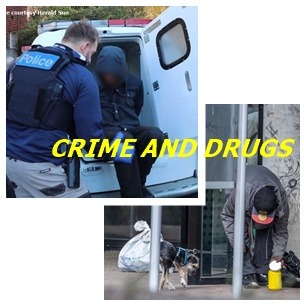


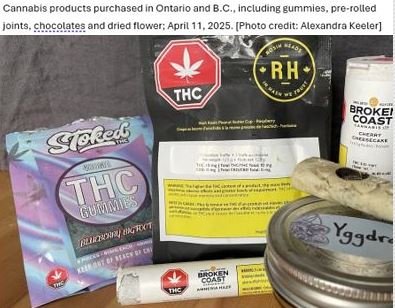



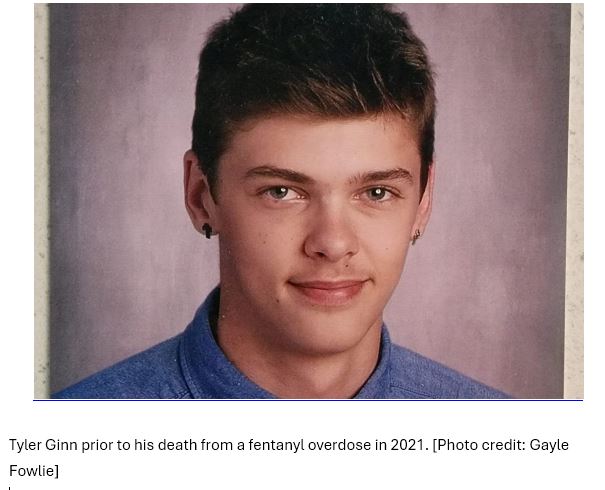



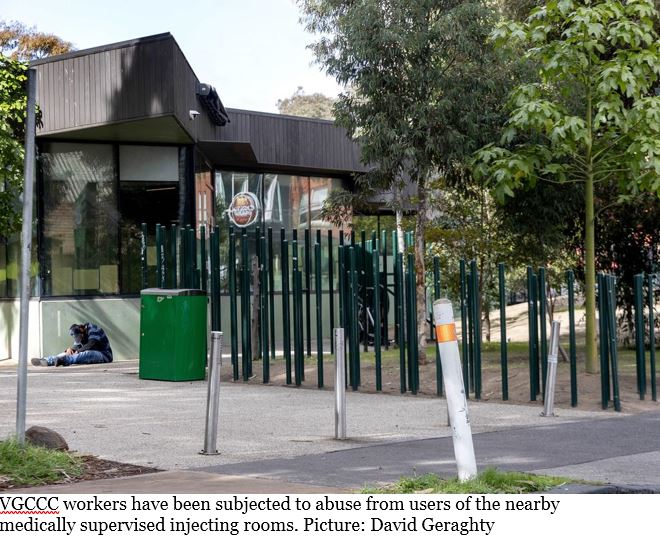
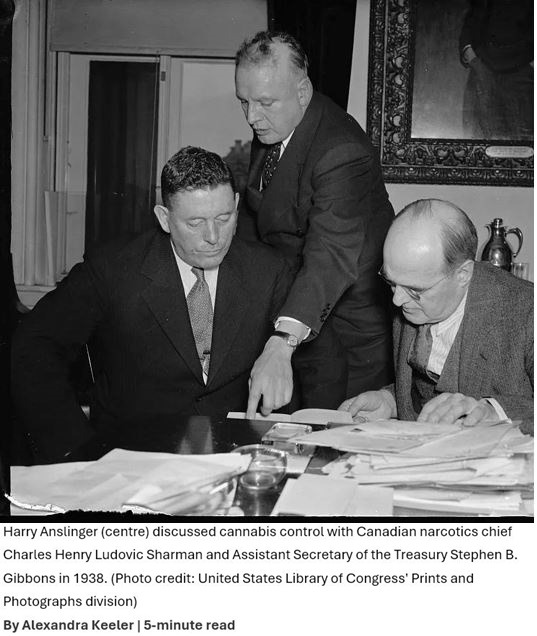


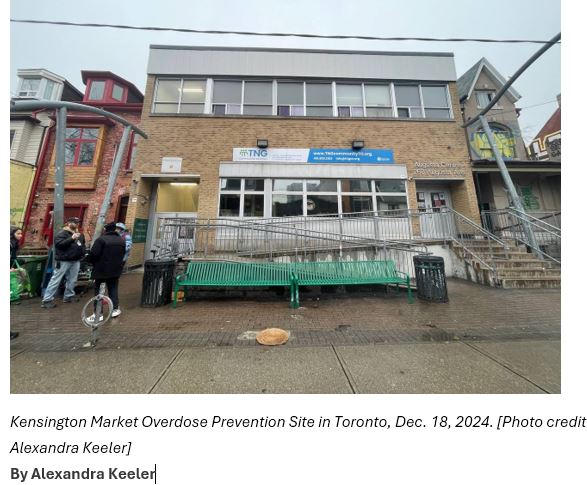
 ‘Ill-informed’