
by Ivan Ray | Nov 26, 2025 | Library, Politics, Uncategorized, Victoria Police Issues
The headline in the Herald Sun, 25th November 2025, our Premier Jacinta Allan says, ‘ – government’s crime crackdown ‘sending a clear message that sentences need to be longer’.
This rhetoric is ‘smoke and mirrors’ and very unlikely to bring about a change in sentencing levels for Victorian Courts, because Courts, thankfully, should not operate on the whim of the elected Government of the day, as that would be totalitarianism, but on precedent and any variations to legislation.
The Premier’s statements are also an admission that the Government has made major mistakes, as this Government is responsible for the appointment of all the judiciary over the past decade, so they are reaping what they sow.
Many of the worst decisions reported have been made by this government’s judicial appointees. So they need to fix the problem of their making.
We know of no empirical data supporting the theory that criminals will not offend, knowing that the sentence for the crime they are about to commit has increased.
For that matter, I defy anybody to find a criminal who knows the penalty for any crime; responsibility is not their strong suit.
The Spring St boffins fail to realise that crooks, no matter how dumb their actions may seem, do not commit a crime if they think they are going to get caught, and that is the only matrix that matters or influences them.
The Allan approach presupposes that crooks gather for a pre-crime meeting to discuss the penalties they may face conducting a SWAT Analysis before deciding what crime to commit – give us a break.
Have they not heard of institutionalisation? A complex issue, but critically, the time factor of the period somebody is held against their will, like jail, will become time-irrelevant very quickly.
Whether a criminal gets four years or six matters little and has no influence on the likelihood of recidivism or on other criminals considering the same behaviour.
The victim may gain some solace, but that’s about it, and the extra jail time just becomes a financial burden on the State, requiring not only more prison beds but all the infrastructure and operating costs associated with the increased time served, and we, the community, including the victims, have to pay for that.
This should be electoral suicide for any Government, particularly given Victoria’s perilous budget deficit.
The only substantial argument for an extended sentencing regime, if it were workable in the Courts, and we argue it is not, is to afford a longer period of protection for the community, which coincidentally costs us all a bomb.
Sentencing must be related to the evidence of the crime put before the Court.
We do, however, strongly believe that Courts have deliberately flaunted the power they possess to act as social engineers instead of sticking to their knitting, dispensing justice, not just for the accused, but the community as a whole.
The answer to the crime tsunami is to provide sufficient police to not only arrest and capture offenders but also to implement a strong, high-visibility deterrence presence to mitigate criminal opportunity.
This, coupled with a serious proactive Force culture, will start to make inroads as soon as it is implemented, and we are confident that the new Chief Commissioner Mike Bush has the capacity, knowledge and skills to drive this change.
Additionally, fortunately, there is still a very high percentage of serving police who would share this view; all they need is to be unshackled from the medieval attitudes the Force has developed under a series of poor leaders.
Long-term sentencing does little to stop crime; however, failure by the courts, which seem reluctant to jail accused offenders, feeds into the adage that ‘crime pays’, and while that exists, there is no hope of a reduction.
We oppose draconian sentencing but support the nuanced use of Prison as a major crime reduction initiative. It matters little the criminals’ age; numerically greater use of the Prison system is what’s required.
Remember, every time an accused at any age walks out after facing Court and being convicted, irrespective of what they may have been sentenced to, or what orders are placed on them, the walking out from court, of itself, is perceived as a win for the crook, and something to brag about, further building confidence in the criminal class that consequences for crime don’t exist.
Even in these austere times, the Government must prioritise the financial support for Policing because unless we have a well-funded and equipped Force pursuing the correct ideals of ‘best practice’ Policing, nothing will change and everybody in this state is mightily aware that they may be the next victim.
As far as the Courts are concerned, the Government would do a whole lot better, rather than making hollow headlines, by focusing on establishing a Judicial Review Panel that has the power to manage Jurists based on performance and effectiveness.
This must be an attractive proposition for a Government that has failed in the Law and Order space; shift blame to the Panel.
The administration of the Court system is inefficient and not fit for purpose, with extraordinary delays denying justice to both Victims and accused. By the time an accused is fully processed by the Courts, many have continued their criminal ways and subjected the community to untold grief – that is Justice denied.
A Justice Panel could identify underperforming and inefficient Jurists, provide guidance, and, if necessary, impose sanctions to ensure the system becomes efficient; establish processing benchmarks; identify flaws in the system; and determine whether the problem lies with the administration or Jurists’ performance.
Similarly, an efficient and professional justice system will reduce crime, equally as well as the support for the Police in bringing perpetrators to the Court system.

by Ivan Ray | Nov 24, 2025 | Library, Politics, Uncategorized, Victoria Police Issues
We do not profess to know all the answers, but our life skills have taught us a few worthwhile ones, particularly in the youth space.
Early intervention is a significant priority, but perhaps more important, and effective, is the development of pathways that are productive for young people as they start to mature, rather than having their lives controlled by Government bureaucratic edicts.
The pathways, if managed correctly, should encourage young people to start making constructive choices for themselves. When we say ‘managed,’ we mean the Government generally stepping back and allowing young people space to resolve their own issues.
Although parents have a vital role and a responsibility in encouraging their children to adopt a worthwhile path, they cannot and should not live their lives through their children. It is the child’s life, not the parents.
An article in the Herald Sun on the 23rd of November 25, titled ‘Half of students miss a month of school amid fears it is irrelevant,’ goes a long way to explain what is really happening to our youth.
https://www.heraldsun.com.au/education/half-of-students-miss-a-month-of-school
We have been critical of the schools sending children home for misbehaviour, which, in our view, is a major contributor to the development of anti-social and criminal behaviour in our young.
This process is triggered predominantly by minor behavioural infractions and, on occasion, by incidents not the student’s fault.
This send-them-home option is a relatively new concept, as schools in the past have dealt with these minor infractions in-house without abdicating responsibility and leaving students to their own devices. In this context, it is not a contradiction to provide pathways.
There appears to be no effective management of this discipline process, and our information is that when children are sent home, it is problematic whether the parent/s are aware, unless the child informs them.
So much for families with parents who must work to support them and rely on schools to care for their children while they are being educated.
Schools that adopt this approach are abdicating their responsibility and may need a civil case to wake the system up to its failings.
Until the research in this HS article was made public, we have been at a loss to identify just where the problems lay. We know that children are not born with antisocial and criminal tendencies, which are learned behaviours, and it appears now that the research in that article points clearly to the culprit that teaches them – their misdirected education.
It generally boils down to the education we are foisting on our young being irrelevant to the skill sets they see as necessary to run their lives, and they have an excellent argument.
We continually hear from educators that their curriculum is overfull, so they can’t add to it, but that assumes that the curriculum is relevant. Relevance to those for whom the education is being delivered is essential – but, clearly, much of it is not in the eyes of many students.
Removing ideological material that has found its way into the curriculum must be the first action, and then the rest of the curriculum benchmarked against the needs of our youth. That purge must be brutal.
“It just feels like we’re not being taught how to handle our finances properly,” Sarah said. “We’re not being taught how to save, invest, manage our bank accounts or file our taxes. That’s something you’ve really gotta figure out on your own.”
–Sarah, 17 years reflecting on her views when she was 14 years old.
To this point, you may wonder the relevance of this material to our core direction, law and order.
Suppose you are going to teach children irrelevant material, send them home for minor infractions and fail to engage the pupils. In that case, it very quickly becomes a life of boredom and failure for the pupil, and the more bored they become, the more disruptive they are, and more often they are sent home.
Taking time off from school is the go-to solution that the school teaches them.
All this time at home can accumulate very rapidly and lead to increased boredom. Life becomes less relevant, so they seek solutions in very unhelpful ways – crime, self-harm, addictions and inappropriate social interactions become the only way to achieve a sense of fulfilment for them.
UNICEF Australia’s Chief Advocate for Children, Nicole Breeze, said the report paints a stark picture.
“In a country like Australia, we have all the conditions and infrastructure to be the best place in the world for children to grow up,” Ms Breeze said. “It is unacceptable that suicide remains the leading cause of death for young Australians and that we are seeing persistent negative trends.”
What this all adds up to is the need for a ‘root and branch’ overhaul of our education system, and by that we are strongly opposed to a series of talk fests, more research, and academic papers arguing the rights and wrongs of the assertions we make, as the proof positive already exists.
The Report author, Megan O’Connell, from the Australian Research Alliance for Children and Youth, said the landmark report — published in the Herald Sun, developed with UNICEF Australia and supported by the Minderoo Foundation — found an increasing number of kids feel school is not providing them with the skills that they need for their future.
The problem needs to be addressed urgently, as there is no time to waste on procrastination and blame-shifting.
The government must issue an edict for action to Tony Bates, the Secretary of the Department of Education in Victoria, who was appointed in August 2025.
The edict must, without equivocation, direct that this issue must be addressed urgently for two reasons: we can’t afford to have one more child exposed to this failed system, and the responsibility lies at the feet of the Director and any inaction at the feet of the Education Minister.
If the Director can’t or won’t fix it, then he should be replaced, as should any other executive within the Education Department who does not fall into line.
What must be achieved is curriculum variation to remove ideological material and replace it with the skills required by young people. These skills can be life-based or designed to equip them for further education.
In relation to behaviour, the practice of sending young people home must be discontinued without exception, and to achieve a reasonable standard of behaviour, the Police in Schools Program must be urgently reintroduced to help schools address misbehaviour and provide students with a safe school environment and life skills to live harmoniously within the community.
All schools must also be required have and enforce a Code of Conduct.
There can be no excuses for inaction, as these changes will have no impact on the State’s fiscal demise.
Additionally, young people’s ability to join the workforce or further their academic studies must not be hindered by ‘the system’.
Currently, young people cannot enter an apprenticeship until they are aged 16, and if they work before then, they can only do 20 hours a week. From an academic perspective, the schools make students feel that if they can’t excel in academia, then they are a failure.
It is past time for the Government to repeal these rules and move out of the way.
This one-size-fits-all approach is badly flawed, and it should be left to employers to judge the suitability of an applicant, the applicant’s parents, and the child.
Opportunities for young people to re-enter the education system without penalty must be well promoted.
This is particularly true of age-relevant life skills. Young people are better equipped to enter the workforce physically and mentally at a far younger age than when these rules were designed and applied.
Better to be at work learning rather than at school marking time, causing havoc.
Unblocking Pathways is the key.

by Ivan Ray | Nov 15, 2025 | Library, Politics, Uncategorized, Victoria Police Issues
The Police Association Secretary Wayne Gatt was reported in the Herald Sun on the 16th of November under the heading ‘Police union boss Wayne Gatt slams 90-day summer operation as ‘brain fart’ amid struggle to fight crime’, which is somewhat of a surprise and disappointing for a respected Union.
Later in the article, Gatt said, “while the union did not in principle oppose the potential of the moves, there were concerns about ‘a lack of detail or thought or planning”.
So what was he on about, accusing the Chief of a ‘Brain Fart’?
That seems like a euphemism for, “Why wasn’t I told?” Obviously, the Union was told so that Gatt was able to relay the Union’s views.
Perhaps this is more about Gatt’s influence fading.
Criticising the Government, Gatt also failed to be aware of the circumstances, such as the reorganisation of resources and the introduction of reservists, which had been devised by the Chief and the Minister, advised. But that may have been more to do with masking his derogatory reference to the Chief.
Gatt may like to explain why putting more people on the street is reckless and what the ‘dependencies’ he is referring to are.
Mr Gatt would be well advised also to start leading and creating innovative ideas on how to reduce the crime rate, rather than promoting “lack of detail or thought or planning”. That, together with his issue of consultations, won’t help the community at all. Bush’s action will help immediately, and that’s what the community wants.
But to the nub of the matter, the allocation of resources is a matter for the Chief Commissioner.
Bush has read the room correctly, and for Gatt to accuse the Chief of a “Brain Fart” is disingenuous and disrespectful to his office; to have Gatt slight him in this manner requires an apology.
The Chief is demonstrating leadership that has been lacking in a string of previous Chief Commissioners, so the Association will have to get used to the idea that the Force now has a leader. And they should treat him with respect.
These initiatives, supported by the CAA, are going to be welcomed by the community, as up until now, and apart from platitudes, every time there is a serious community issue raised about crime, nothing changes in VicPol, and the community has long tired of ‘More patrols’ knowing they may get some. Still, it will be a splash in the pan and not address the real issues they are dealing with.
Bush’s move to more proactive policing is also welcome, as preventing crime must be the primary function of any Police Force and a strategy more likely to be embraced by the community than ‘more police’. Interestingly, those who push the more police mantra rarely give any insight into what that means, what will be achieved and when.
It will literally take years to bring the force up to full strength, so the use of reservists is a very clever move to free additional police to provide the public with a better police service and reduce the crime rate.
Critics of the use of Reservists should read this comment from the CAA Website by a former member who was medically discharged.
“I already volunteer as a Justice Peace at the reception counter of my local 24 HR police station? Other unofficial duties in the absence of sworn uniform members include signing in those reporting on bail, compiling VicPol property forms & taking property over the counter, general police advice, and taking messages for members. You never forget your training & previous knowledge base. I was ESSS Discharged, pensioned out of my job with a spinal injury. Not ready to retire yet, so will happily return as a paid VPS1 or reservist part-time!!”
We are aware of many former members who would like to be considered for involvement in a Reserve program.
There would also be hundreds of former members who left their police careers to raise their families, and when their families grew up, would jump at the chance for a Reservist position.
Their life experiences make them a valuable asset if they can be encouraged to return.
The sad part of this announcement is that where you would expect the Police Association to support the initiative and encourage Reservists to rejoin that organisation, instead, they have all been insulted, being classified as a ‘Brain Fart’ that will be remembered as Gatt’s Gaff.

by Ivan Ray | Nov 6, 2025 | Library, Media, Politics, Uncategorized, Victoria Police Issues
There is a lot of faux bluster and wringing of hands over the use of the Police Chopper by the Chief Commissioner Mike Bush in recent times, his trip to Tasmania and now a flight from Avalon to the Victoria Police Centre (VPC).
It has now been reported that he allegedly took his wife on a flight and committed the most grievous sin of allegedly laughing about the brouhaha of the Tasmania flight.
In the scheme of things, these issues are nothing but white noise, but there is an underlying sinister overtone.
At worst, the Chiefs’ use of the aircraft could be argued as him having a ‘tin ear’.
The last accusation of using an aircraft to return from Avlon was perhaps expedient, and it matters little whether the Chief was in the back seat of his Car or the helicopter for the return. Both vehicles had to return to Melbourne.
The most serious issue that must attract the greatest focus is the report of the alleged laughing by the Chief Commissioner in a group about the Tasmanian flight.
There could be a million reasons for jocularity, but that of itself is incidental.
What is most egregious is that this was reported to the media, which can only be described as a bona fide undermining of his position.
The other airwing use could have been leaked by any number of people, but this latest alleged reaction could only reasonably have been done by his inner circle, indicating where all the leaks emanated.
It goes to the heart of the solidarity of the Command of VicPol and is very worrying, highlighting the difficulties that exist at that level in the Force.
There is obviously a rat in the ranks.
In an organisation where the average Police member would be hung, drawn and quartered for even a misspoken word to the media or anybody else outside the Force, but those in the upper echelons feel they have the right of free rein to attack the Chief.
The Herald Sun reported:
“Some police staff are understood to be fuming over the undeclared flights, with one describing his wife’s trip as nothing more than “a joy ride”.
“People are really annoyed he has misled them,” a source said.
“He is taking the public, and his staff, for fools … It’s about integrity.”
Sources also claimed that Mr Bush and a few of his colleagues had further upset staff by “laughing about Choppergate” since his apology on October 22.
They added that it was particularly galling at a time when positions were being reviewed as part of a force restructure.
“Everyone is really scared about their jobs,” they said.
To that statement, we add – the ‘Source and some Police staff ‘ ought to grow a backbone and talk to the Chief about their concerns, that would be integrity. But only after the Source has a chat with the psych unit about their insecurities.
Double standards cause poor leadership and management at any level.
The Chief underestimated the nature of the VicPol hierarchy by announcing his intent to streamline the upper command and release many staff and other managers from unnecessary Command Units, returning them to the frontline, where the priority lies.
The NIMBY (Not In My Back Yard) principle has been applied by incumbents being forewarned of the austerity target, and somebody or some people in these higher positions are so insecure that they see themselves as being part of the austerity target, so feel the need to discredit the Chief and, in turn, sabotage his intent.
As far as we are concerned, the person or persons responsible for the leaks should be the first to go. Fulfilling their own insecurities. Check their phones.
It makes one wonder whether the use of the Airwing was a decision by the Chief or whether he was receiving advice to set him up for criticism.
Perhaps his biggest failure was to underestimate the narcissism that is created by being part of the VicPol executive command, and that he must now be extremely diligent, as this latest issue may, in fact, be the start of an orchestrated campaign to discredit him.
Most danger will come from those who have worked hard to be close and gain his trust.
Ironically, a trust not reciprocated.
by Ivan Ray | Oct 23, 2025 | Library, Politics, Uncategorized, Violence
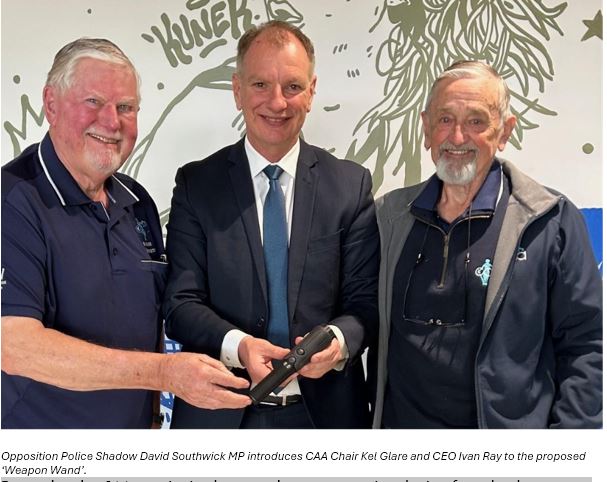
Recently, the CAA was invited to see the new scanning device for edged weapons being considered for introduction into the Police arsenal.
The ‘Weapon Wand’ is compact, seems easy to use, and comes with a holster for the Police Utility belt. More on that later.
The device is impressive and does not require the operator to bring it into contact with the person being scanned.
When it detects metal, it subtly warns the operator to avoid embarrassing the person scanned with non-target metal objects.
With the high number of edged weapons in the community, particularly circulating amongst youths, this piece of kit is essential.
When they are introduced, the announcement must not quote numbers of units, and nominating specific locations will also be counterproductive to the deterrent effect the existence of the wands may achieve.
The idiocy of advertising geographical locations where the Police had more powers for specific times was the sort of foolish strategy that either showed the designers’ ignorance and incompetence or was deliberately set up to fail.
Perpetrators are generally spontaneous in many of their criminal endeavours, so rigid controls over a police response defy logic. Waiting for a newspaper advertisement to announce a police operation, rather than giving police the flexibility to respond as required, is plain stupid.
The second aspect of these new devices relates to their actual use by the Police.
Over a number of years, based on perceived and some real threats, Police in this State have been continually equipped with paraphernalia allegedly designed to equip them better to do their job or protect themselves and the community.
The reality of Policing is that you cannot eliminate risk; you can only reduce it.
The problem with the overload of equipment that the police must carry has reached the stage where even the fittest police member would start to tire and be less effective from simply carrying all their gear.
The Police utility belt is festooned with equipment, some of it essential, and some that will be highly likely never be used, but has to be carried just in case.
Adding the ‘Weapon Wand’ exacerbates the problem.
Perhaps the Weapon Wand can be assigned to vehicles, not the member, unless they are on specific duty. In that case, pepper spray and O/C spray could be shelved for some members in a foot patrol detail, and the “Weapon Wand” could be assigned to a member.
However, these are operational issues and, following the new Chief Commissioner’s philosophy, the decisions regarding the deployment of these devices must be left to the front-line Supervisor. This is essential so that, as circumstances frequently change in an operation, the supervisor on the ground is best placed to make decisions.
We are advocating that these wands are not necessary for all police, but they are required in sufficient numbers to handle any operation or patrol managed by Section Sergeants.
The Force does not have to go into internal conniptions, writing new and detailed instructions on the parameters of their application and how they are to be deployed, tying up Police executives to prepare, when the best decisions are made at the sharp end.
However, legislation to employ wands without restriction at the discretion of the police is essential.
The Force will have to get used to this approach as the new CCP trims the executive function of the Force, forcing more decisions down where they should be.
by Ivan Ray | Oct 22, 2025 | Library, Politics, Uncategorized, Victoria Police Issues
But two swallows can herald a fine summer is near.
Applying Aristotle’s theory to policing may seem odd and even a stretch, but recent events have given strong indications that the winter of discontent with policing in Victoria is drawing nigh, and a good summer looks to be invitingly within reach.
We refer to two recent events indicating that VicPol is quickly implementing change since the appointment of Mike Bush as the new Chief Commissioner.
With apologies to the two members for the analogy used, but it sort of works.
The first incident involved a news conference by Detective Inspector Graham Banks, whose straight-talking, candid comments about Juvenile incidents, including the Cobblebank murders of two young boys by machete-wielding thugs, was a refreshing departure from standard police rhetoric, telling the community the truth without any hint of political or other filters.
The second incident, following the most recent violent demonstrations in Melbourne, was a news conference by Commander Wayne Cheeseman, supported by props collected from the demonstration site, who provided an unsanitised, non-partisan description for all Victorians to absorb.
Telling the truth also contradicted sections of the media that had tried to fudge the actual actions of participants in the violent demonstration, leaving it open for the Advance Australia group, predominantly mums and dads, to be as culpable as the radical left.
His forthright approach left nobody in doubt that they were not responsible for the violence, as they were cooperative with the police throughout their demonstration, and it was the cowardly masked suspected professional protesters who instigated and pursued violence.
These thugs have lost any connection to a specific cause; they only aim to cause chaos.
It is essential to provide the police with the resources needed to handle this rabble, who cast a negative pall over any Victorian or group of Victorians wishing to express their views through a demonstration. We all should feel free to speak our minds without being lumped in with the rabble of the extreme left, better described as Anarchists.
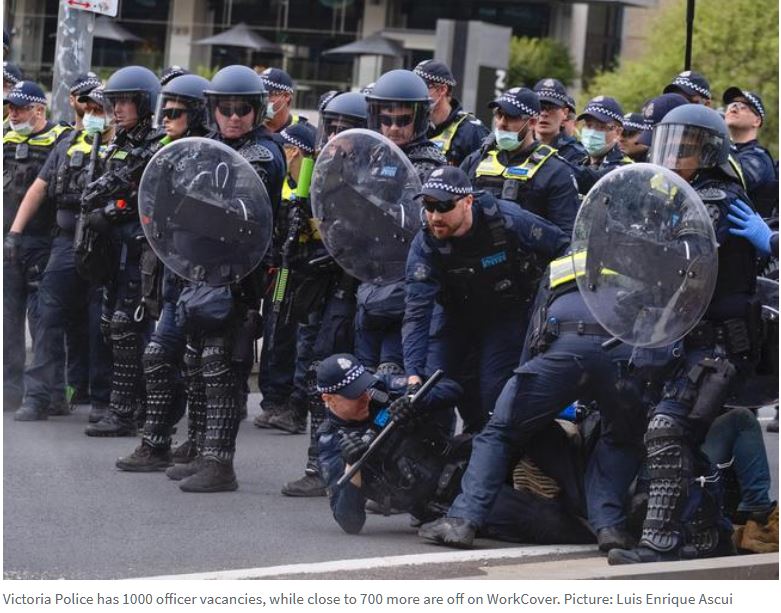
One of the tools that would give the police the edge and reduce the dangers to police members and the community from improvised weapons that the anarchists use is to supply VicPol with a water cannon.
VicPol has a duty of care to all its members to ensure they are equipped to deal with issues that confront them in performing their duty.
Minimising the risk of incurring harm while performing that duty must be a given.
We have recently written on the difficulties that some police have encountered in trying to gain compensation for injuries suffered, with a number of legal decisions going against the members.
There is no doubt that equipping Victoria Police with suitable water cannon vehicles, ideal for crowd control, will cost, but the cost will be well offset by a reduction in Workcover claims caused by this duty.
We will also see a marked reduction in violence at demonstrations when the troublemakers know they are certain to be hosed down.
However, the Premier has now announced that the Government is pursuing face-covering legislation to combat the surge in violent acts.
Talk about underwhelming.
Since when does making the wearing of facemasks illegal stop scum from throwing rocks and other missiles at police?
This approach by the Government flies in the face of what the new Chief Commissioner is trying to change.
The Force’s direction, from one that’s focused on arresting perpetrators as the first line of defence, to a more effective method, which we support, is to stop crime in the first place.
An enlightened Chief Commissioner knows that arrests may seem effective, but it is the Courts’ handling of the criminal that makes the difference, and at this stage, penalties imposed are manifestly inadequate, hence the escalating crime rates and lawlessness.
The legal system isn’t effective, so the effort to reduce crime by prevention is and should be a no-brainer, as the new Chief espouses.
A force that prioritises compliance through measures like water cannons, primarily to be used as a deterrent, but if compliance is not achieved, to prevent the situation from getting totally out of hand, without injuring not only the police but also innocent members of the community who might accidentally get caught up in a confrontation, is on the right track.
The current strategy has no fail-safe approach should the anarchists raise their level of aggression.
The stress level of the Police will be substantially reduced if the big brother standing behind them has the power of a water cannon.
If you were in their shoes, you would feel the same anxieties and sometimes fear that the Police feel when confronted by the anarchist types they are currently dealing with.
The problem is that these particular lowlifes use any means to inflict injuries on police, and the unpredictability as to what weapons they employ increases the negative pressure on the police members, a deliberate tool in their arsenal.
That anxiety can escalate to become a debilitating consequence, so all Victorians are obliged to take whatever action is necessary to provide police with the ability to reduce their risk factors, and that is where Water Cannons are so important.
The basic approach to the use of these tools by the Police would require legislation to protect the members and the Force from litigation arising out of their use.
Proper use in conjunction with a permit system for demonstrations mirroring the highly successful New South Wales model would ensure permit compliance and where the permit is breached, the capacity to douse miscreants with a spray would generally reduce violent demonstrators resolve; however, if that fails, the cannons can be used to physically remove people from their intended path without exposing members to undue physical or psychological damage.
Simply making masks unlawful is not a great help, only assisting with identifying perpetrators post-event – we want the action pre-event to avoid Police being tied up pursuing offences which may attract only minimal sanctions – police have more important things to do like protecting us from machete attack.
by Ivan Ray | Oct 16, 2025 | Industrial Action, Library, Media, Politics, PTSD, Uncategorized, Victoria Police Issues
Herald Sun, October 15, 2025.
“In a move that has sent shockwaves through the Force, lawyers have successfully argued against any State liability because police officers are sworn officers, not employees.
The argument has been upheld in a number of recent decisions in the County Court that have prompted calls for the Allan government to urgently reform existing legislation that has become a barrier to claims by psychologically injured officers.”
In knocking out the claim, the County Court held that there was no basis for the imposition of a duty of care in favour of the officer.”
Resulting from this legal decision, the indemnity of the State from liability to compensate police injured on duty or who later suffer from PTSI is deplorable. The issue of vicarious liability was also discussed, but faced the same fate for the Police.
“The issue of vicarious liability being owed to injured officers has drawn comparisons by the court to a recent High Court decision, known as Bird v DP, that held that institutions could not be held liable for sexual abuse if an offending priest or member of an institution was not in an employment relationship.”- HS
All of these legal manoeuvres to avoid liability by the government have not been happening behind closed doors, or in a vacuum, so the Government must have been aware of what was being foisted on the Police, and, for that matter, every other sworn person employed or otherwise in the State who are not covered by specific legislation.
Which brings us straight to the Premier, who surely would have been briefed on the risks of these legal findings posed.
Having considered the risk, I wonder if the Premier will be bothered to walk outside and have a friendly chat with her own personal security detail.
The conversation might be along the lines of;
“Hi, guys. You may have read about the court’s finding that you are not covered, should you take a bullet for me? The mental anguish is not covered, but rest assured, we will do something about it at some time.”
“You can at least take heart that should the unthinkable happen and you make the ultimate sacrifice, I will very much appreciate it, and your family has your super, and we promise to leave that alone (at this stage), apart from taxes”.
The State does not owe you a duty of care, but I care; No, I mean I really, really, really do care, believe me, now back to work”.
Equally inane in this legal debacle is that the Judiciary also relies on the police for their safety. Although for obvious security reasons it is not public knowledge, there is no doubt that in certain high-risk proceedings, the jurists are provided with close personal security. We wonder how those Police feel now.
It was also reported in the same article that;
“Australian Lawyers Alliance Victorian President, Susan Accary, on Wednesday called for urgent reforms”.
“Recent court decisions that have allowed Victoria Police to avoid responsibility for injuries to police officers do not reflect the general understanding of the employment relationship between the police force and its officers,” she said”.
“Police officers are employed by the state and are engaged in critical, dangerous and sometimes, traumatic, work.”
“It is unfortunate that the law as it currently stands allows the state to avoid their obligations to their officers.
“Police officers, who often work in a high-risk environment for the benefit of the community, should be able to rely on the state to provide them with the support they need if they are injured at work.”
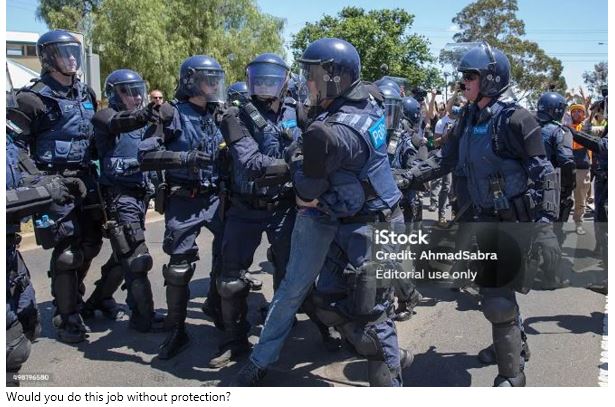
The risk of more police industrial action is real, as no police member would want to or should be forced to go to work without protection, so it is somewhat interesting that the Police Association is not pursuing a mass walkout of Police.
It is ironic that the last Police strike in 1923 occurred just before the Spring Racing Carnival. The Victoria Police force at the time was understaffed, poorly paid compared to other State police forces, and lacked an industry pension. Although the Police now have Superannuation, the rest of the similarities have a certain Déjà Vu ring.
To follow the illogical legal argument proffered in the courts, the relationship between any sworn person and their employer is a relationship without a ‘duty of care’.
The list of people who are now exposed is extensive, but not limited to,
Clergy, Municipal Office bearers (Mayors), all politicians, the Governor, all Judges and other jurists, even your local scout master, in fact, anybody that takes an oath as part of their employment, paid or otherwise, would seem to immediately exclude their employer from any ‘duty of care’.
If this logic is followed, the employee ceases to be an employee in the usual sense of the word, making it equally outrageous.
This could only happen in Victoria.

by Ivan Ray | Oct 11, 2025 | Library, Politics, Uncategorized, Victoria Police Issues
It was reported in the Herald Sun on the 6th of October 2025 that “Magistrate Carolyn Burnside late last month warned corrections officials and police they were ‘in contempt of court’, effectively for not bringing a prisoner to court, in defiance of a ‘jail order’ requiring them to do so.
It would seem that in making an internal political administrative point, it is acceptable to publicly disregard evidence and ignore community safety issues, which the magistrate has failed to consider.
Once under the control of Corrections, it is their task to convey prisoners to courts, not the job of the police.
The Prisoner, a lifetime heroin addict, was tossed out on the street by the magistrate, trying to make an internal point over the inconvenience to her Court.
With the judicious use of technology, prisoners would not be required to attend court for procedural matters or, for that matter, their Trial.
While the vast majority of us have a great deal of admiration and respect for Judges, Magistrates and other jurists, our collective community attitude and trust in the court system is severely damaged by intemperate comments from a member of the bench who is obviously an outlier.
It is an absolute disgrace that a Prisoner who has not been found guilty of any offence, only charged, must wait so long to have his matter resolved.
Ms Burnside apparently invited prisoners to start applying for bail and said she would find it a “very attractive” proposition to release them.
Without considering the consequences of each case, this pronouncement is tantamount to contempt of all the courts that have refused bail for prisoners.
These prisoners she refers to are not your Sunday School types, but generally the worst of the worst, an unacceptable risk.
The Government must take action to ensure this Magistrate does not implement her threat, so we do not have at-risk prisoners free to roam and commit other crimes.

by Ivan Ray | Oct 7, 2025 | Library, Politics, Uncategorized, Victoria Police Issues
The current imbroglio of the impact of youth and other criminals has the community firmly pointing the finger at the Courts, highlighted by the recent granting of bail to a recidivist offender to go on an overseas holiday.
The reality is that in a democracy, the government of the day must respond to community concerns about lenient sentencing and the manipulation of bail laws by Courts, or face electoral consequences.
Although they might not want to, the Government has to respond positively or face the backlash, which means more than just ‘tightening’, a euphemism for, fiddling around the edges, to fix the legal system failures and then exercising the dark art of trying to convince the electorate they are doing something and hoping to get away with spin instead of adequately addressing the problem.
We wonder if it’s the role of the Government to fix the issue or whether the Courts themselves should be held accountable for the current malaise.
It is perhaps time that the administrators of Justice in this State take responsibility and take some action to ensure continuity in proper jurisprudence.
If the administrators do not take decisive action, the government will inevitably be compelled to intervene, which will further erode the independence of the judges.
The Magistrate responsible for allowing a recidivist to continue on bail so he could travel overseas on a family holiday, irrespective of what excuse can be conjured up, is outrageous and totally unacceptable, reinforcing in the mind of the child that his offending is not serious. He goes on an overseas holiday while the victims are left to stew in their damaged emotions.
The family would have had to cancel the trip if their son had been bailed – there was always a simple and obvious option for the Magistrate – refuse bail, problem solved.
The bureaucracy of the Court administration is culpable for not immediately transferring this Magistrate to an administrative position; that action would send a message to all members of the bench.
As jurists make more inappropriate decisions, the only ones hitting the headlines are the most outrageous. However, every day, poor choices that work against the law’s objective of maintaining community safety are flaunted mercilessly by unaccountable jurists. And we wonder why crime is escalating?
Their independence will be further eroded as the public demands that the government take action, and that action will, by necessity, restrict jurists’ independence even further.
We are not convinced that it is necessarily a good thing, in the long term, because it won’t address poor oversight, training, and management of the judiciary.
The jurists must learn to ‘read the room’ and listen to the community or face the consequences.
The second and equally important issue that Court administrators face is the inordinate delay in bringing miscreants to court to be held to account for their behaviour. ‘Justice delayed is justice denied, ’ an ancient legal maxim attributed to William Ewart Gladstone, circa 1868, is regularly ignored by Victorian Courts.
Whether it is poor administration of Court lists, poor performance and failure to meet KPI’s by Jurists, delaying or exacerbating proceedings, or they are overloaded, the latter an administrative failing, we don’t know, but what we do know is the Courts have focused entirely on the perpetrator, and that is not the absolute role of the Courts.
Continually overlooked in the legal process is the impact of Court decisions and delays on the sector of the community that is the INNOCENT; the victims, a cohort to proceedings continually overlooked by the Courts.
The victims not only have to suffer the financial and or physical consequences of a crime, but, to rub salt into the wound, many of which are very deep, they also suffer the indignity of not being considered appropriately in the court process, with their convenience not a consideration.
We never hear of a Court rejecting a procedural delay in proceedings, such as a bail application, due to the unfair impact on a victim, which would drag the case out and penalise the victim further.
The Courts are guilty of facilitating these delays and punishing the victims.
The failure of courts to ensure reparation for victims, whether the perpetrator has the capacity to provide reparation to the victim or not, should not be a court consideration.
The level of reparation should be based entirely on the facts of the case and be commensurate with the damage done. The recovery of the reparation should be referred to the Sheriff for action. If an offender is unable to pay and has that debt hanging over their head, they might think twice before committing further crimes, which is an effective deterrent.
It is well past time that a Royal Commission be established to examine the Courts’ processes, the accountability and application of the law by Judges, and critically, the treatment of victims.
by Ivan Ray | Sep 21, 2025 | Illicit Drugs, Library, Politics, Uncategorized, Victoria Police Issues
CAA Comment
We live in hope that in this country we will not stoop to such ridiculous levels to justify criminal behaviour.
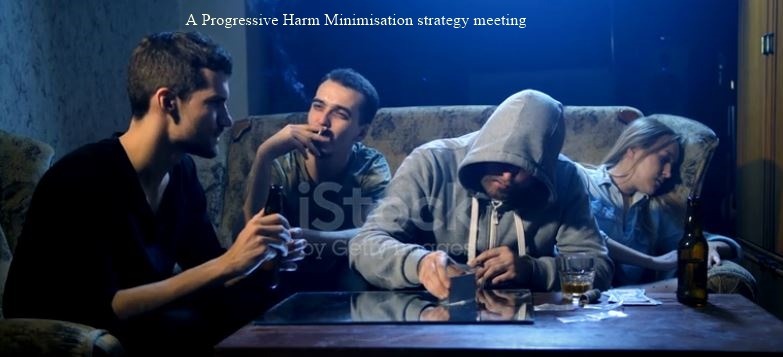
There is no sound justification for allowing Drug users to be part of the solution when they are the problem. It’s like handing over the problem of alcoholism to alcoholics. A free grog policy is inevitable.
These hair-brained strategies are often argued to be a solution, perhaps a solution like solving the speeding problem by eliminating speed limits, solving shop stealing by legalising the removal of items from a shop, the list goes on.
The endgame is a complete breakdown of law and order, chaos in all our lives.
Having users and addicts designing and implementing drug policy can never succeed, especially when those groups are in denial. Ask any drug addict or alcoholic if they are addicted, and the answer is, by and large, emphatically, “No, I could give it up at any time”.
What is often overlooked in the entire drug addiction debate is the real victims of this vile trade—not the addicts themselves, but their families and all the innocent people affected by the crimes committed to sustain their addiction. All the resources spent on their self-inflicted dependency and treatment come at our expense. Yet, that is never acknowledged by the progressive “harm reduction” advocates, who seem hell-bent on normalising the behaviour and creating a society based on a Drug nirvana, all while they are high on the drugs they are supposed to manage.
Instead of the harm reduction approach, drug use or addiction must be excluded as a mitigating factor in criminal prosecutions and sentencing, with a focus on the offence and the perpetrators’ culpability.
The bottom line is that very few of the many thousands of addicts were forced to take the drugs they became addicted to. Equally, they never sought help, but addicts taking responsibility is very rare indeed.

Canada’s policy of deferring to the “leadership” of drug users has proved predictably disastrous. The United States (and Australia) should take heed.
Progressive “harm reduction” advocates have insisted for decades that active users should take a central role in crafting drug policy. While this belief is profoundly reckless—akin to letting drunk drivers set traffic laws—it is now entrenched in many left-leaning jurisdictions. The harms and absurdities of the position cannot be understated.
While the harm-reduction movement is best known for championing public-health interventions that supposedly minimise the negative effects of drug use, it also has a “social justice” component. In this context, harm reduction tries to redefine addicts as a persecuted minority and illicit drug use as a human right.
This campaign traces its roots to the 1980s and early 1990s, when “queer” activists, desperate to reduce the spread of HIV, began operating underground needle exchanges to curb infections among drug users. These exchanges and similar efforts allowed some more extreme LGBTQ groups to form close bonds with addicts and drug-reform advocates. Together, they normalised the concept of harm reduction, such that, within a few years, needle exchanges would become officially sanctioned public-health interventions.
The alliance between these more radical gay rights advocates and harm-reduction proponents proved enduring. Drug addiction remained linked to HIV, and both groups shared a deep hostility to the police, capitalism, and society’s “moralising” forces.
In the 1990s, harm-reduction proponents imitated the LGBTQ community’s advocacy tactics. They realised that addicts would have greater political capital if they were considered a persecuted minority group, which could legitimise their demands for extensive accommodations and legal protections under human rights laws. Harm reductionists thus argued that addiction was a kind of disability, and that, like the disabled, active users were victims of social exclusion who should be given a leading role in crafting drug policy.
These arguments were not entirely specious. Addiction can reasonably be considered a mental and physical disability because illicit drugs hijack users’ brains and bodies. But being disabled doesn’t necessarily mean that one is part of a persecuted group, much less that one should be given control over public policy.
More fundamentally, advocates were wrong to argue that the stigma associated with drug addiction was senseless persecution. In fact, it was a reasonable response to anti-social behaviour. Drug addiction severely impairs a person’s judgment, often making him a threat to himself and others. Someone who is constantly high and must rob others to fuel his habit is a self-evident danger to society.
Despite these obvious pitfalls, portraying drug addicts as a persecuted minority group became increasingly popular in the 2000s, thanks to several North American AIDS organisations that pivoted to addiction work after the HIV epidemic subsided.
In 2005, the Canadian HIV/AIDS Legal Network published a report titled “Nothing about us without us.” (The nonprofit joined other groups in publishing an international version in 2008.) The 2005 report included a “manifesto” written by Canadian drug users, who complained that they were “among the most vilified and demonised groups in society” and demanded that policymakers respect their “expertise and professionalism in addressing drug use.”
The international report argued that addiction qualified as a disability under international human rights treaties, and called on governments to “enact anti-discrimination or protective laws to reduce human rights violations based on dependence to drugs.” It further advised that drug users be heavily involved in addiction-related policy and decision-making bodies; that addict-led organisations be established and amply funded; and that “community-based organisations. . . increase involvement of people who use drugs at all levels of the organisation.”
While the international report suggested that addicts could serve as effective policymakers, it also presented them as incapable of basic professionalism. In a list of “dos and don’ts,” the authors counselled potential employers to pay addicts in cash and not to pass judgment if the money was spent on drugs.
They also encouraged policymakers to hold meetings “in a low-key setting or in a setting where users already hang out,” and to avoid scheduling meetings at “9 a.m., or on welfare cheque issue day.” In cases where addicts must travel for policy-related work, the report recommended policymakers provide “access to sterile injecting equipment” and “advice from a local person who uses drugs.”
The international report further asserted that if an organisation’s employees—even those who are former drug users—were bothered by the presence of addicts, then management should refer those employees to counselling at the organisation’s expense. “Under no circumstances should [drug addicts] be reprimanded, singled out or made to feel responsible in any way for the triggering responses of others,” stressed the authors.
Reflecting the document’s general hostility to recovery, the international report emphasized that former drug addicts “can never replace involvement of active users” in public policy work, because people in recovery “may be somewhat disconnected from the community they seek to represent, may have other priorities than active users, may sometimes even have different and conflicting agenda, and may find it difficult to be around people who currently use drugs.”
The messaging in these reports proved highly influential throughout the 2000s and 2010s.
In Canada, federal and provincial human rights legislation expanded to protect active addicts on the basis of disability. Reformers in the United States mirrored Canadian activists’ appeals to addicts’ “lived experience,” albeit with less success. For now, American anti-discrimination protections only extend to people who have a history of addiction but who are not actively using drugs.
The harm reduction movement reached its zenith in the early 2020s, after the COVID-19 pandemic swept the world and instigated a global spike in addiction. During this period, North American drug-reform activists again promoted the importance of treating addicts like public-health experts.
Canada was at the forefront of this push. For example, the Canadian Association of People Who Use Drugs released its “Hear Us, See Us, Respect Us” report in 2021, which recommended that organisations “deliberately choose to normalise the culture of drug use” and pay addicts $25-50 per hour.
The authors stressed that employers should pay addicts “under the table” in cash to avoid jeopardising access to government benefits.
These ideas had a profound impact on Canadian drug policy. Throughout the country, public health officials pushed for radical pro-drug experiments, including giving away free heroin-strength opioids without supervision, simply because addicts told researchers that doing so would be helpful.
In 2024, British Columbia’s top doctor even called for the legalisation of all illicit drugs (“non-medical safer supply”) primarily on the basis of addict testimonials, with almost no other supporting evidence.
For Canadian policymakers, deferring to the “lived experiences” and “leadership” of drug users meant giving addicts almost everything they asked for. The results were predictably disastrous: crime, public disorder, overdoses, and program fraud skyrocketed. Things have been less dire in the United States, where the harm reduction movement is much weaker.
But Americans(and Australians) should be vigilant and ensure that this ideology does not flower in their own backyard.

by Ivan Ray | Aug 17, 2025 | Library, Politics, Uncategorized, Victoria Police Issues
As the CAA prepares for a meeting with the new Chief Commissioner, we ponder the circumstances that the Force now finds itself in.
As we reflect on the machinations that led to the appointment of Mr Bush, we cannot help but be concerned for the future of Policing in this State.
Without negative inflection on the current or former Chief Commissioner, the process, however, leads to some very grave concerns.
According to the Government, Shane Patton was removed because of a vote of no confidence by the membership.
Now, four Victorian Chief Commissioners of Police have faced votes of no confidence by police members, a worrying trend:
Jackson faced a vote of no confidence during his tenure, but remained in the role until his retirement. The specific reasons for the ballot are less documented, but it did not result in his removal.
Like Jackson, Miller also faced a no-confidence vote but survived it and continued to serve until the end of his term.
Although Kel Glare faced a Vote of no confidence during his tenure as Chief Commissioner, the vote was defeated.
In early 2025, 87% of the 14,571 Police Association members who voted expressed no confidence in Patton’s leadership. The vote was primarily driven by dissatisfaction over a prolonged pay dispute, staffing shortages, and rising crime rates.
Amongst those Chiefs that faced off with the membership, organised by the Police Association, Miller was arguably one of the longest serving Chiefs in recent history.
The no-confidence vote in Patton was driven by:
- A prolonged and unresolved pay dispute between the Police Association and the State Government, which had led to multiple stop-work actions and dissatisfaction among officers. ( A Government-controlled issue.)
- Concerns over leadership and morale, with police members feeling unsupported and frustrated by systemic issues such as resource shortages and repeat offending. (The repeat offending is primarily driven by the Courts and the Government’s lack of decisive legislative action.)
- Political pressure, with some Opposition figures suggesting Patton was used as a scapegoat for broader government failures in law and order, cannot be dismissed. (A not unreasonable assumption given the woeful efforts of the Government to provide a strong legislative base for effective policing.)
In each of these challenges, we would argue that although the number of members voting was substantial, the police members were led by the Bears within the organisation.
Now we have a new Chief Commissioner, Mike Bush, whom we hope will provide the leadership and direction that VicPol and the State so desperately need.
But our most significant concern is the precedent that the Government has established by sacking a Chief Commissioner on what seem to be spurious political grounds.
When analysing the causes of the Police discontent, the Government has not addressed the problems but kicked the can down the road, and members are no better off today than when they rose to challenge Patton.
All that effort for a sum-zero game.
And what is more alarming is that there does not appear to be any action on the horizon to address the members’ concerns.
It should be noted that Patton was not sacked for the unsatisfactory crime rates, or the burgeoning crime and the juvenile crime surge. The lack of safety the community experiences or the Road toll.
Neither was he sacked for the lack of prosecutions of those, particularly of high rank, who allegedly committed criminal acts surrounding the Gobbo Affair, which has left a sour taste with all former and serving Police officers of good character, a significant factor in Police disquiet.
He was, however, sacked because the Rank-and-File lost confidence, so it was their fault he was sacked, not the Government.
Now, where does that leave Mr Bush and other Chief Commissioners following him?
The Police Association now has a weapon to use against the Government, expecting any further votes of no confidence will see the sacking of the incumbent Chief Commissioner, and/or the Police leadership. It all comes down to whether the Bulls or the Bears hold sway within the Police Association Executive.
It is also concerning that this action by the Government opens the door for other industrial action of a similar nature by other Emergency Services at a minimum.
With their current action, the Government has substantially reduced their bargaining position and depleted the authority of the Chief Commissioner, which is likely to create more industrial friction rather than settle the disquiet.
You can bet that now, every time the Association comes to loggerheads with the Government or the Chief Commissioner, the threat of a vote of no confidence will be writ large.
We can foresee troubling times ahead, and ultimately, the concerns of the members that precipitated this vote will be left unaddressed; the Government will simply appoint a new Chief Commissioner.
To outsmart the poor treatment of Police members, the smart move will be for the Bears and the Bulls to support the New Chief.
A successful Chief, in the main areas of public concern, is far less vulnerable to the machinations of any Government. It empowers the Chief into a stronger negotiating position with the Government, to the benefit of all members and the community.
Let’s hope that sanity within the ranks prevails.

by Ivan Ray | Jul 29, 2025 | Library, Politics, Uncategorized, Victoria Police Issues
While this headline may confuse some who are not culturally literate, the meaning relates to fairness, and the colloquialism highlights what we should be offering our new Chief Commissioner: support.
After his appointment was announced, the reactions from many within Policing and those external to the genre were mixed. Generally, they came down in favour of the Force having an opportunity to reset with a leader not restricted by harmful biases, a new broom.
Mike Bush was appointed Chief Commissioner of the Victoria Police on the 27th of July 2025. He had previously served as the Commissioner of Police in New Zealand.
He has been in the chair 29 days, and rumblings of discontent are spreading both within and outside the Force.
These rumblings are grossly unfair and misguided in light of the realities of being Chief.
We have no idea of the knowledge of this State or its police force, the new Chief possesses, but it must be understandably limited, not only professionally but culturally (hence the title of this piece may need interpretation for him). It is a huge leap to lead one of the largest police forces in this country.
Just establishing who he can trust within the organisation is a huge and critical function.
Since he was appointed, even with all his personal adjustments, moving to a new country, albeit just across the ditch, the new chief has hit the role at full pace. He really hasn’t had a chance to unpack his bags.
His other major challenge is the culture at VicPol. We have been accustomed to Chief Commissioners being appointed from within Australia. Christine Nixon, who came from New South Wales, went on to attack the force’s culture with very mixed results. Two others came from the Australian Federal Police with little or no community policing experience.
The folly of appointing an outsider is always fraught with difficulty, and it is far too soon to cast comparisons of the new chief, although early signs are encouraging.
Much of the criticism has been about his lack of media appearances, something those same critics conversely levelled at several recent Chiefs who were employed as nodding heads behind political leaders, designed to show the citizens that politicians are in charge, effectively overriding the Force’s operational independence and demonstrating its subservience to the political masters.
Appearances are everything.
Moreover, the use of police chiefs in this way is akin to the school yard bully who always arranged to have the biggest and strongest kid behind them in any confrontation as a backstop to project power and control.
Our view is that if the politicians want to front the media, that’s their prerogative, but please, do away with the “Noddies”.
It is often said that the most dangerous place to be is between a media camera and a politician; they will bowl you over (physically and metaphorically).
However, the idea of joint press conferences must be abolished.
If the situation requires the Chief Commissioner or the Force members more broadly to address the community, they should hold their own press conference.
To all the current critics, rather than criticising the Chief, you might be better off asking where the rest of the Command is?
They are conspicuously absent, with a rare exception, from the media, suggesting an interesting dynamic.
Rather than supporting their New Chief and ‘cutting him a break’, they are ‘keeping their heads below the parapet’, and for many of them, a very wise move, albeit the parapet will not protect their performance or lack of it, but rather than worrying about their careers, they should be worrying about the Force and support the new CCP.
The core of the issue, according to the critics, is just what this new Chief has been doing in his 29 days.
He has been visiting Stations and workplaces, talking with members to gain an understanding of the status quo and identify their issues. He has also been meeting individually with all the Force’s senior personnel, both sworn and unsworn, and there are a lot of them numerically, a major problem with VicPol.
He has familiarised himself with all the major Police complexes. He has attended a police funeral and attended the scenes of a number of major incidents during this period.
On some of these, he has attended in plain clothes so as not to be seen to be taking over, but to observe and support.
By any measure, he has been doing what a new Chief Commissioner should be doing, and there should be no argument that what he is doing is what is expected of him.
Speak to any former Chief Commissioner, and even those promoted internally, and they will tell you it takes 3-4 months to get a good grip on the organisation from the perspective of the Chief Commissioner role. Furthermore, if you talk to any of the former Victoria Police who were fortunate enough to lead other Police Forces in Australia, the bedding-in period was more like 4-6 months.
For the good of this State and the Force, premature criticism is ill-placed.
Let’s give this guy a ‘fair suck of the sav’, there will be plenty of time to throw bouquets or bricks at his performance going forward.
Let us all get behind him and give him ‘a fair go’, that is the Aussie way.

by Ivan Ray | Jul 23, 2025 | Library, Politics, Uncategorized, Victoria Police Issues


Please help the CAA in its work by making a donation, all funds will be used directly for our volunteer work.
Reported in The Herald Sun on 23 July under the headline, ‘Magistrate hits out at youth crime, etc,’ a 14-year-old boy appeared before a Children’s Court charged with serious offences, including assaulting an innocent victim with a machete and nearly severing his hand.
The hearing related to a bail application by the offender.The youth had previously been charged with 400 offences, most of which were wiped by the Court.
Magistrate – “This is exactly what the government has asked to stop. And what happens? It happens again. How do I have any comfort that a bladed weapon is not to be produced again?”
Lawyer – “Doesn’t have a history? I’ll tell you what, that knife came out with experience”. (meaning obscure)
Magistrate – “The government has an apparent position as to knife crime, and if people don’t understand it, they are not reading the papers or not understanding what politics is.”
The crux of the issue is the apparent disconnect between the judiciary and the reality of the perpetrators they are required to adjudicate.
If the Government wants to communicate a message, it is no good telling those who are not involved other than as Victims.
They should explore ways to inform young potential perpetrators, perhaps through social media platforms they follow and understand. Billboards in Shopping centres or other places where young people gather would be another useful start.
If a Magistrate believes that a 14-year-old has the slightest idea of a Government position on knife crime or the likelihood they read the papers, then woe betide the future of our justice system.
A 14-year-old is still a child, and that’s why they appear before a Children’s Court. It is an indictment of the judiciary that the Court has a poor understanding of the people it deals with.
The Magistrate has some redemption in refusing Bail for a particularly gruesome crime. However, the lack of understanding of the psychology of the youth appearing before the Court needs urgent adjustment.
Equally or more significant to the failure of our legal system, especially regarding children, is that this child appeared before the Court as a first offender. While that may be true, it is unlikely that he is.
Under the new age restrictions allowing Doli Incapax to be more widely used, the child may have committed substantial crimes of which the Court is never made aware.
It may be the first time he has appeared in Court, but there is every possibility this is not his first offence.
The practice of withholding from the judiciary the history of whether a child has previously committed offences or received an Official Police caution is a disgrace. It restricts the judiciary’s ability to understand the proper development and behaviour of a juvenile, effectively keeping them in the dark.
This is also true of the application of the Doli Incapax rule, where a child cannot be charged, although the crime may be as severe or as serious that they would appear before a court once they turn 14.
It is up to the judiciary to decide how much weight to give a police caution, but whether a child has never received one or has received multiple cautions, especially considering the type of offences involved, should be a mandatory consideration.
What has been lost in all the recent changes in the legal status of children has been not only the impact on victims not seeing justice done, but, as necessary, the Justice for the children.
Arbitrary ages applied to children don’t work. What changes in a child between 13 years and 11 months and 14 years old, where they can be charged; nothing.
The major flaw with the current approach is that early intervention, the most likely intervention to succeed, is blocked. Why does a child who commits offences not be held to account at any age? It is the penalty where adjustments are made.
This young serial offender was excused for committing almost four hundred crimes under the Doli Incapax rule, despite having been bailed fifty times. For Doli Incapax to apply, the offender should not know that what he was doing was wrong. After so many court appearances and instances of bail, how could the rule have applied in this case and on this scale? Surely a miscarriage of justice to all his victims.
The application of Doli Incapax should be the purview of the Courts. The police should be enabled to charge any person, irrespective of age, with crimes they have committed, and the Court can decide whether Doli incapax applies, by considering evidence on the issue, not an arbitrary age one-size-fits-all approach.
Taking no action is equivalent to accepting the behaviour, and the outcome is likely to lead to more criminal behaviour.
Why are our children blocked from benefiting from early intervention?
It is past time for a realistic and practical approach to be applied to juvenile crime in this State.
Our history demonstrates we are woeful at dealing with the issue, and thousands of children’s lives are ruined by inaction, with thousands of victims left behind.
Moreover, the judiciary must be exposed to the realities of life, as they often appear to live in a bubble devoid of practical knowledge and the wisdom that comes with that exposure.

by Ivan Ray | Jun 30, 2025 | Current, Drunk, Investigations, Library, Media, Police in Schools, Police Veterans in Schools, Politics, Road Safety, Safe Injecting Rooms, Victoria Police Issues
PLAN 100.4 – 2025 – Summary
The document outlines the Community Advocacy Alliance’s strategic plan for improving service delivery and addressing law enforcement issues within Victoria Police by 2025.
Leadership and Accountability in Victoria Police
The Community Advocacy Alliance (CAA) emphasises the need for improved leadership and accountability within Victoria Police to restore public trust and enhance service delivery. The current structure is criticised for being bloated and ineffective, with senior officers often avoiding accountability for their actions.
- The CAA has submitted multiple plans since 2018 to address law and order issues in Victoria.
- Senior police officers have been allowed to evade accountability despite evidence of misconduct.
- The organisation suffers from poor command decision-making and a culture of disrespect for the law.
- A significant reduction in executive ranks (30-40%) is proposed to streamline operations and improve accountability.
- Decision-making should occur at the lowest possible level to enhance responsiveness and effectiveness.
Service Delivery as a Priority
Service delivery has been identified as the most urgent issue facing Victoria Police, with a significant deficit in understanding and execution over the past decade. The CAA argues that efficiency should not overshadow the importance of effective service delivery.
- Service delivery has deteriorated, with little evidence of improvement in the last ten years.
- Senior officers often confuse service efficiency with service delivery, leading to ineffective strategies.
- Initiatives to improve efficiency have often compromised service delivery, creating a “them and us” mentality.
- The effectiveness of policing is directly related to its relationship with the community it serves.
Measuring and Improving Service Delivery
The CAA proposes several strategies to measure and enhance service delivery, emphasising the need for modern, qualitative measurement techniques. Feedback from the community is crucial for understanding the effectiveness of services.
- Implement modern qualitative measuring techniques for service delivery.
- Establish a feedback line for the public to report their experiences with police services.
- Set benchmarks for response times to ensure accountability in dispatch and arrival.
- Extend the emergency activity map to include police incidents for better community awareness.
- Introduce a protocol for phone contact to ensure professionalism and accountability.
Structural Reforms for Effective Policing
The CAA recommends significant structural reforms within the Victoria Police to address inefficiencies and enhance service delivery. This includes reducing the number of executive positions and reintroducing intermediate ranks.
- The current executive structure is bloated, with a 16% increase in Deputy Commissioners since 2019.
- A reduction of 30-40% in executive ranks is recommended to improve decision-making and accountability.
- Reintroducing ranks like Chief Superintendent and Chief Inspector can enhance local decision-making.
- The promotion process should be competency-based to eliminate nepotism and improve morale.
Cultural Change and Community Engagement
A positive organisational culture is essential for effective policing, and the CAA highlights the need for cultural reforms to rebuild trust and respect within the community. Engaging with retired members and honouring fallen officers can strengthen this culture.
- The culture of Victoria Police has declined, leading to issues like media leaks and mistrust.
- On-the-spot discipline notices can address minor infractions and improve accountability.
- Engaging retired members can provide valuable insights and foster respect within the organisation.
- Building a culture of respect and professionalism starts with the police uniform and leadership example.
Addressing Mental Health and Well-being
The CAA emphasises the importance of addressing mental health issues within the police force, particularly regarding the impact of disciplinary actions and investigations on officers’ well-being.
- Research is needed to explore the correlation between investigation techniques and PTSD among officers.
- Every member subject to disciplinary action should have an independent advocate to ensure fair treatment.
- The culture of respect and support must be reinforced to prevent adverse mental health outcomes for officers.
Recruitment and Selection Process Improvements
The recruitment process for the Victoria Police must prioritise both mental and physical robustness to ensure that candidates can handle the demands of policing. A multi-level probation system and careful assessment of applicants’ suitability are essential to maintain the integrity and effectiveness of the force.
- Recruits should be assessed for mental and physical fitness to perform police duties.
- A multi-level probation period of four years is proposed to ensure ongoing evaluation of recruits.
- Non-performing members should be offered transfers to alternative roles rather than remaining in policing.
- Emphasis on character and resilience in candidates to prevent PTSD and ensure operational readiness.
Enhancing Foot Patrol Effectiveness
Foot patrols are a critical aspect of community policing that requires improved training and situational awareness among officers. The proper execution of foot patrols can enhance public safety and foster better community relations.
- Officers should patrol independently to maintain situational awareness and reduce risks.
- Engaging with the community through eye contact and acknowledgment builds trust and confidence.
- Current foot patrol practices often lack focus, with officers distracted by conversations or mobile devices.
Leveraging Technology for Policing
The integration of advanced technology, such as AI and GPS, can significantly enhance policing efficiency and effectiveness. However, it is crucial to implement these technologies thoughtfully to avoid potential risks.
- AI-driven facial recognition and CCTV can provide real-time information on suspects.
- The G-Tag initiative aims to reduce car theft and enhance community safety by allowing police to disable stolen vehicles.
- GPS technology should be managed to prevent misuse by criminals.
- Mobile technology must be standardised for all officers to improve communication and documentation.
Management and Operational Efficiency
Improving management practices within Victoria Police is essential for enhancing operational efficiency and accountability. A focus on performance metrics and resource allocation can lead to better service delivery.
- Backfill police stations to authorized personnel levels to ensure adequate staffing.
- Downgrade the influence of statistics in decision-making, allowing commanders to focus on operational needs.
- Implement bi-weekly progress reports for commanders to track performance against KPIs.
- Establish a Reserve Unit to manage underperforming members and maintain operational readiness.
Youth Engagement and Community Programs
Strengthening youth engagement initiatives is vital for fostering positive relationships between police and young people. Programs like “Police in Schools” can have a significant impact on youth behaviour and community safety.
- Introduce a dedicated Youth Command to oversee youth-related initiatives and strategies.
- Re-establish the “Police in Schools” program to build trust and educate children about law enforcement.
- Support existing programs, such as Blue Light Victoria, and explore the establishment of Police Citizens Youth Clubs.
- Develop partnerships with community organisations to enhance youth engagement efforts.
Transparency and Media Relations
Improving transparency and media relations is crucial for rebuilding public trust in Victoria Police. A strategic approach to media management can enhance communication and community confidence.
- Appoint a high-ranking officer with operational experience as Media Commander to oversee information dissemination.
- Ensure operational members can speak to the media without fear of criticism.
- Address media leaks by focusing on the underlying issues rather than punishing whistleblowers.
Addressing Drug Issues with a New Approach
A shift from harm minimisation to a four-pillar approach (Health, Law Enforcement, Education, Rehabilitation) is necessary to address drug-related issues in society effectively. This comprehensive strategy aims to reduce drug use and its associated harms.
- Implement health orders allowing police to take individuals affected by drugs into care for treatment.
- Establish secure facilities for drug treatment and triage to address addiction issues.
- Focus on street-level drug dealers and users rather than high-profile offenders to disrupt the drug trade.
Legal System Reforms for Victims
Reforming the legal system to prioritise victims’ rights and streamline processes is crucial for enhancing justice outcomes. Abolishing the committal process and enhancing victim support can lead to a more efficient legal framework.
- Abolish the committal for the trial process to reduce delays and trauma for victims.
- Provide legal representation for victims of major crimes to advocate for their rights and interests.
- Implement enforceable compensation orders for victims to ensure accountability from offenders.
- Construct purpose-built facilities for victims to give evidence remotely, enhancing their safety and comfort.
Community Engagement and Policing Strategies
Effective community engagement is crucial for fostering trust and enhancing perceptions of police effectiveness. Strategies should focus on improving community interaction and local ownership of policing efforts.
- Realign crime trend analysis to measure community attitudes towards police effectiveness.
- Expand the Neighbourhood Watch program to foster community involvement in crime prevention.
- Review patrol systems to allow officers more time for direct community interaction.
- Dispense with the “Super Station” concept to refocus on local community policing.
Mental Health Support for Police Officers
Enhancing mental health support for police officers is crucial for their well-being and operational effectiveness. Continued efforts are needed to address the mental health challenges faced by serving and retired members.
- Maintain and improve programs like The Hub to support the mental health of officers.
- Legislate indemnity for officers acting in good faith to encourage proactive policing.
- Reintroduce the practice of gazetting positions to stabilise the organisation and improve morale.
Retirement and Reservist Programs for Officers
Developing a reservist program for retired officers can provide valuable support to current members while maintaining their sense of identity and purpose. This initiative can enhance community policing efforts and provide mentorship.
- Allow retired officers to retain their police identity and serve in a reserve capacity.
- Implement a system to recognise the service and contributions of retiring officers.
- Utilise retired officers for non-frontline duties to relieve operational pressures on current members.
FOR THE FULL VERSION OF PLAN 100.4, click on the link below:
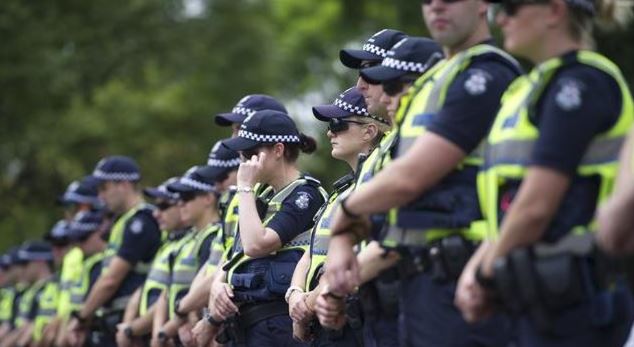
by Ivan Ray | Jun 28, 2025 | Current, Library, Politics, Uncategorized, Victoria Police Issues

This sonnet may have been written towards the end of the medieval period, but it has real relevance today as we herald the arrival of our new Chief Commissioner, Mike Bush.
His challenges can only be described as monumental, and although there is no doubt about his ability, as demonstrated by his role as Chef Commissioner of New Zealand, the problems entrenched in the Victoria Police will present substantial challenges.
From what we can determine, his character is beyond question, but already the naysayers are making comments couched as negative.
The comments relate to the influence that he may or may not have had from Jacinda Ardern, the then Prime Minister of New Zealand. Jacinta was seen as the queen of ‘woke’.
What, however, cannot be challenged is the success that Bush had in dramatically reducing the crime rates of the Shaky Isles, which highlights the irrelevance of being judged as woke.
The only remote relevance would be if valuable police resources were misdirected to social niceties, but that has happened regularly over the last decade as one chief after another seemed to revel in police resources used in this way. They were leaders with a real ‘Tin Ear’ who failed to understand the community angst about the lack of service, the niceties project.
Nobody can forget the huge Police contingent marching at the Gay Pride March in Melbourne, except for last year when they were not welcomed.
It is a poor look when a large contingent of Police, whether on duty or not, can join in civil celebrations when the public can’t get police to deal with their issues. Any wonder the public confidence in Policing is at an all-time low.
We commend the views of Bush on Proactive Policing and the importance of prevention. The latter being totally essential and the key to reducing the out-of-control crime Rate.
We are confident that with good leadership, this ship, VicPol, can be turned around, as we are constantly heartened by the work of competent and dedicated members of the Force.
It is, however, a major task to rid the Force of the lazy malcontents who drag the organisation down, and we are hopeful that the new CCP will beat the bush and see the lazy miscontent birds taken, out of the organisation.
The damage these individuals wreak is substantial, and their usually loud protestations are used to hide their incompetence; the force is best rid of them.
In welcoming the new Chief, the CAA has revisited the Plan 100 series and updated the Plan to 100.4.
The Plan is contemporary, and we hope it will be of use to the new Chief and will be published within a few days.

by Ivan Ray | Jun 1, 2025 | Library, Politics, Uncategorized, Victoria Police Issues
Leading Senior Constable Roland Jones was presented with the Victoria Police Medal for courage last week, the highest medal for police bravery in Victoria. Over the years, it has only rarely been granted for exceptional courage, as with Leading Senior Constable Jones.
This award recognises his courage in arresting James Gargasoulas after he drove his car through the crowded streets of Melbourne, deliberately killing six and injuring twenty-seven people in Bourke Street on the 20th January 2017.
His citation reads in part.. ‘immediate and decisive action’ by Jones. Pity, the police executive didn’t act that way in this incident.
At significant personal risk, Jones effected the arrest of Gargasoulas and wrote himself into the annals of Police history as one of the force’s true heroes.
This is a great story, but there is a cruel twist within it.
You will note that this horrible event occurred in 2017, but he was not awarded his medal until 2025. The Citation accompanying the Medal was signed in 2021.
The Gargasoulas incident was one of the darkest chapters of incompetent leadership in Victoria Police’s history and was severely compounded by the treatment of Jones, post-event.
The whole incident evolved over the two days. Police knew for that period where Gargasoulas was at all times. Still, not only did the police not take any action against the perpetrator, but they monitored his bizarre behaviour, not intervening. This meant that Police communications covered the activity; however, there did not appear to be any intervention of the Police Command in this unfolding tragedy.
It was left to the troops, bereft of leadership and therefore coordination, critical components in responding to this type of incident.
After the mayhem of the incident with dead and dying victims scattered along Bourke Street, it was Leading Senior Constable Jones and his partner who put an end to this mayhem.
Not that they were directed, as there was no command and control, but they were purely exercising their initiative.
Their actions were pure bravery, whereas many other police, including command, dithered and procrastinated and in many ways, through their failures, were responsible for the death of six innocent Victorians and injury, some very severe and life-changing, to twenty-seven others.
Thirty-three victims were caused by police leadership’s incompetence.
The bravery award recently presented to Jones was unquestionably well deserved. However, the award took eight years to be presented, and without a reasonable and plausible explanation from VicPol, the delays can only be interpreted as malicious pettiness at the most senior levels.
That is a disgraceful way to treat Force heroes, and it may go some way to explain why morale in VicPol is so low, as reflected in the decline in community confidence.
Low Police morale correlates directly to the quality of service delivery.

by Ivan Ray | Apr 5, 2025 | Library, Media, Politics, Uncategorized, Victoria Police Issues
In a hugely embarrassing turn of events, Acting Chief Commissioner Rick Nugent has announced he will not be applying for the top job after being hand-picked and parachuted into the acting role.
As disappointed as many of us are in his decision, he may well have done Victoria Police and Victoria a considerable service, highlighting and shining a light on the role and failures of Victoria Police Command, forcing the State to take a new approach to selecting its senior executives because by any measure the current process is an abject failure as history shows.
Without major surgery on this selection process, it will be like the adage of ‘doing the same thing tomorrow and expecting a different result’: the definition of insanity.
To fully understand the failure of Police Command, we need to look no further than the Police Oath of Office that all Serving Police, irrespective of rank, must take and abide by, but as history has now shown us, this oath only applies to some within the organisation when it suits them and is breached with regular monotony when it doesn’t.
The VICTORIA POLICE ACT 2013 – Schedule 2— sets out the Police Oaths and affirmations and has four key points within that oath.
The Oath commits Police to perform their duties in a particular manner,
- …without favour or affection, malice or ill-will,
- …will see and cause the peace to be kept and preserved,
- …will prevent to the best of my power all offences,
- …will, to the best of my skill and knowledge, discharge all the duties legally imposed on me faithfully and according to law.
When applying these key points to the performance of Police Command over several years, the score is abysmal and indicates many examples of wanton disregard for this Oath.
We are not suggesting that all Police commanders have been tainted over the last two decades, but the buck stops with the Chief Commissioner and the Command team. They bear ultimate responsibility for the performance and activities of the organisation, but the litany of breaches from which there have been no repercussions against those responsible is staggering. Adding to the dearth of leadership, unbelievably, many police directly involved in these issues have since been promoted.
How can we have a Police Force where poor performance is rewarded?
The following list is accompanied by the number allocated to each part of the Oath above.
- A Chief Commissioner, as the then State Disaster Coordinator, having dinner with friends while Victoria burnt and Victorians were dying. A State disaster with the coordinator missing. Deserting her post in a crisis.(4),
- A Chief Commissioner accepting free flights from an airline. (4)
- The Gobbo affair. Multiple Chief Commissioners and others created, facilitated or turned a blind eye to this issue. No police were disciplined for their roles or failures, but some were promoted to high ranks.
The severity of the poor behaviour by Police, particularly senior members, was set out by the High Court.
[Ms Gobbo’s] actions in purporting to act as counsel for the Convicted Persons while covertly informing against them were fundamental and appalling breaches of [her] obligations as counsel to her clients and of [her] duties to the court. Likewise, Victoria Police were guilty of reprehensible conduct in knowingly encouraging [Ms Gobbo] to do as she did. They were involved in sanctioning atrocious breaches of the sworn duty of every police officer to discharge all duties imposed on them faithfully and according to law without favour or affection, malice or ill-will. As a result, the prosecution of each Convicted Person was corrupted in a manner that debased fundamental premises of the criminal justice system.
That nobody was held accountable for this debacle is part of the leadership problems in the force. How can subordinate members act professionally and ethically when they see their superiors not subject to the same rules usually applied? (1), (3), (4).
- Stealing from the State. Two Politicians committed fraud on the state by falsely and unlawfully claiming accommodation travel expenses but were not prosecuted for the theft. (1), (3), (4).
- The ubiquitous Red Shirts saga in 2019 failed to see any prosecutions after blatant interference in the electoral process. It should be noted that the Office of Police Integrity (OPI) decided not to prosecute, but the head of the OPI was later appointed as Chief Commissioner. (1),(2),(3),(4).
- COVID-19 saw the worst performance of Police senior management in the force’s history, only challenged by the Gobbo Affair.
Whether it was the refusal of the Police to provide supervision of the quarantine facilities, which claimed over 800 Victorian lives, or how the community was controlled, from handcuffing a Mum in front of her children for relatively innocuous online comments, accosting old ladies sitting on a park bench, using live ammunition on people demonstrating against harsh and unrealistic restrictions, and activating ‘tea bagging’ control strategies forcing demonstrators to crowd together was the opposite of the essential medical advice for the disease. The over-the-top responses did nothing to achieve objectives other than a perverted sense of authority as displayed by the Government. The argument that the Police only applied the government health order is ridiculous. A Government cannot force a member of the Police Force to breach their Oath of Office; however, throughout the pandemic, it regularly did, and the Force Senior management chose to play along with the Government and defy and ignore their Oath of Office. No disciplinary or criminal charge was laid against breaches by the Police. Albeit that senior command neglected to follow their Oath, all police involved each had a sworn duty and should have been able to exercise their right not to breach their Oath.(1),(2),(3),(4).
- A very Senior Officer accepting a free first-class trip to America from another Government Agency aggravated by yet another Senior Executive permitting the girlfriend of the Officer, employed by VicPol in a different department, to accompany him. The conference they were slated to attend had no relevance to their roles in VicPol. An all-expenses-paid junket. (4).
- A social media troll outed as a senior officer using a non-de-plume to distribute foul material on social media aimed at colleagues. (4).
- A Senior Officer castigating a junior member on social media. (4) also berating health volunteers in public (4) and instigating a Road Rage altercation in a school car park (4). It took so long and so many indiscretions before he was advised his contract would not be renewed. That no action was taken against this senior office was a disgrace and a poor reflection on the relevant Chief Commissioners (4).
- Slug-gate was another disgraceful episode in Victoria’s policing of this state. The ongoing issue started with an alleged slug being placed in a food factory by a municipal health inspector, which closed the facility and caused 44 employees to lose their jobs. This was significant because it came to light that the alleged relationship between the CEO of the local council and the local Area Commander was very close, breaching professional norms. Still, no investigation was ever carried out to determine if that relationship had conspired to damage the food factory, a competitor of a new factory set up by the Government, of which the local Council CEO was a director. The principal Police officer was promoted, a common thread of miscreants in the Force.(1), (3), (4).
- The mishandling of the ‘Bike Boy’ incident involving the wife of the former Premier showed again how the influence over the police operations was directed not by the sworn duty of Police but by some other imperative. Senior Police should have immediately become involved to ensure proper processes were followed. We are still waiting to see who will be promoted by this Police inaction.(1), (3), (4).
What does stand out in this list is the number of Police who were involved who were promoted in what has the look of quid pro quo? Protect the guilty, and you will be rewarded; by any measure, this is corruption. This seems to be part of the reason so many incompetent Police achieve exalted ranks. It’s not how good you are at your job but how good you are at protecting individuals in high Office.
There are other incidents, but what is common is that when browsing the list, the offences of Conspiracy to Pervert the Course of Justice can be applied in nearly every case, as can Malfeasance or Misconduct in Public Office in every example, not to mention numerous disciplinary offences.
The picture painted shows the depth of criminality by senior police or, at best, the sheer incompetence of senior management in running the force. Inevitably, the applicants from VicPol will include some who have been tainted by the issue listed herein. Avoid, at all costs, ‘putting a fox in charge of the hen house’.
Poor selection processes and partisan political interference in the appointment processes have driven this.
To appoint somebody who has no direct knowledge of this particular Force and the players (knowing where the skeletons are hidden) will flounder and fail no matter how well they’re credentialed. We can only hope that the previous poor performance of former Federal officers in executive roles in VicPol will not be repeated. Federal Police leadership has very limited, if any, experience in running a community-based force. Crime prevention, central to community-based Policing, is an anathema in Federal policing. No matter how good they are in the Federal sphere, to appoint one as Chief in Victoria will be another retrograde step.
Avoiding this advice will inevitably cause political pain no matter who is in power.
The options available to the Government in the short term are that the appointment is made via a partisan arrangement, and that should be very attractive as any failures in policing can’t be sheeted back to the government; they can still revel in Police successes.
The other option is a Police Board to oversee Police operations; it must be by partisan appointments to be effective.
The current government has some electoral difficulties and can ill afford another failure at the top of VicPol.
Repairing the Force is a massive undertaking, and the successful applicant will have their work cut out and need all the support that can be mustered. Hence, the attraction to a Board comprised of former police and civilians from a broad cross-section of the community is not dissimilar to the success of the Community Advocacy Alliance (CAA), which adopted this approach and has become a powerful voice of reason.
Many Former police are attracted to these roles as they are no longer impacted by the pressure of working politics in the police environment and all the pressure for promotion. They are still morally bound by the good ethics of Policing.

by Ivan Ray | Mar 13, 2025 | Library, Politics, Youth
The vastly belated announcement by Victoria’s Labor Government of strengthened bail laws is welcomed. The Community Advocacy Alliance Inc. (CAA) warned ten years ago that Victoria would face a juvenile crime tsunami. We were ignored. Consequently, the number of victims of crime, and particularly of crimes of violence by juveniles has reached totally unacceptable levels.
The changes to bail laws and reintroduction of offences for criminal acts committed while on bail is a necessary move.
These steps are a government reaction to community pressure.
However, the real solution to juvenile crime can only come from the immediate introduction of proactive measures.
Every school must be required to immediately introduce a code of conduct for students. The standards of behaviour required must be clearly articulated and enforced.
A primary function of the school curriculum must be teaching the basics of good citizenship.
The CAA can provide the structure of a program, based on ten themes, which would make a real and lasting difference to the future behaviour of most students. This program should be delivered by police in schools. This format was very successful in Victoria from 1989 to 2006 as evidenced by a study by Monash University released in 2004.
We call on the Government to immediately take the next essential proactive step and reintroduce the Police in Schools Program. The CAA is willing to assist.
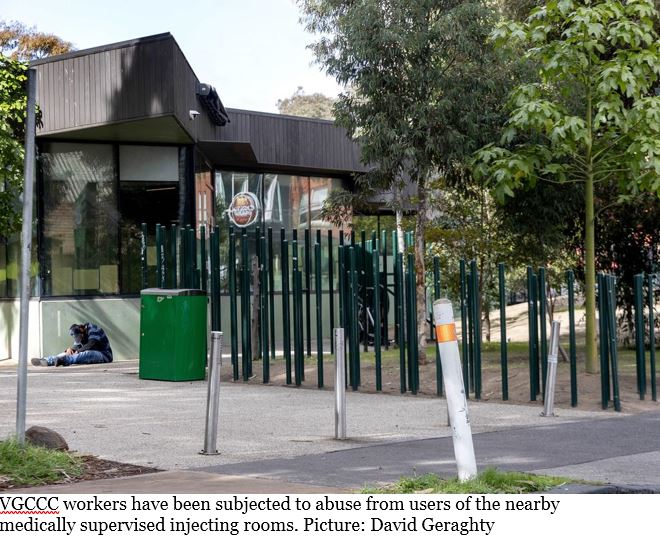
by Ivan Ray | Mar 2, 2025 | Illicit Drugs, Library, Politics, Safe Injecting Rooms
“The Victorian Gambling and Casino Control Commission will move from its Richmond office as fears grow for staff after a rise in anti-Semitic messages, and assaults and verbal abuse from users of the nearby injecting room.” Anthony Templeton Herald Sun Feb 27, 2025.
‘Oh diddums, how terrible what the poor employees of VGCCC must put up with during their working day, but hang on, their working days are predominately at home, aren’t they?
Unlike the residents of Richmond, they only need to expose themselves to the reality of drugs spasmodically. The rest of the Richmond residents deal with this issue 24/7 without respite.
Located right next door, within 15 meters of the Richmond North Primary School, things are so bad locals have advised the CAA that children at this Primary School are exposed to addicts engaged in sex acts from their classroom window at the back of the MSIR and Prostitutes are a common site plying their wares in the vicinity of the MSIR.
Moreover, the children are exposed to experiences no child should endure because the Medically Supervised Injecting Room MSIR, or more correctly, the Safe Drug Injecting Room, ‘safe’, meaning beyond the Law, not the illicit product drug users inject, so close to the school the children cannot avoid interaction with drug users.
The absolute hypocrisy of Government is laid bare, with the residents and traders of Richmond left holding the bag and suffering the impact of the Richmond Injecting room without respite. At the same time, the Government packs up the bags of the VGCCC to relocate it to a more salubrious area away from the disgusting behaviours and lawlessness of Richmond.
Moving the VGCCC because of the Injecting room nearby, some 500 meters or ½ mile away, and the environment in the vicinity of the MSIR, which is overrun with addicts and anti-social behaviour, threatening the safety of VGCCC staff, is an outright admission that the Government has failed the community.
500 meters from the VGCCC compared to 15 meters for a Primary school and 20 meters from residents’ homes. It would be much more practical to repurpose or move the injecting room. It would also be substantially cheaper than moving a Government Department.
The move will be costly and disrupt the operations of the Department. With the State under financial pressure, it would be a whole lot smarter to save an expensive move and use those funds to repurpose the injecting room into an outreach drug treatment facility or a drug triage centre to manage addicts.
The government has already spent $14m on upgrading security, which is not good enough for the VGCCC. They would instead be relocated to the CBD.
VGCCC chief executive Annette Kimmitt, as reported in the HS, said,
“Feedback from staff (including our most recent People Matter survey) reflects growing fear for personal safety while at work and when travelling to and from the office,” she said in the letter.
“We continue to witness and experience other anti-social and criminal activity, including drug and alcohol-related violence, drug dealing and other intimidating behaviour.
“Colleagues have witnessed the brazen exchange of cash for drugs, people injecting drugs near the building and subsequently large numbers of dangerously discarded syringes.”
Ms Kimmitt said increasing anti-Semitic material – such as graffiti, posters and stickers – was also creating an unsafe environment.”
To ‘add insult to injury’, Ms Kimmitt was also reported as saying.
..“Our relocation will impact the many hardworking small businesses, particularly the food outlets that rely on our foot traffic,” she said.
To rub salt into the wound the condescending sympathy expressed by Kimmitt is well ‘beyond the pale’.
In a State ‘crying poor’, to spend the money on relocating an entire Government Department simply because the vicinity of their offices is not to their liking is an absolute disgrace.
We guestimate that this move will cost the taxpayers $100’s of Millions of dollars by the time the new digs have a bespoke fit-out, all the VGCCC technology hardware is relocated or replaced, and all the other costs incurred, including the properties to be vacated or occupied.
We note that Ms. Kimmitt was not forthcoming about a budget for the exercise.
Yarra Mayor Stephen Jolly also weighed into the debate, claiming a dedicated plan to revitalise the area was needed, with more police, financial support for existing businesses and a plan to attract new traders.
“What we are seeing is a ghetto in the making, and we have to stop it; a Disneyland for drug users has been created,” he said.
Unfortunately, the good Mayor is promoting the relocation of the MSIR; however, relocating, an easy option, will not contribute to the lowering of the number of users who die and the disquiet that the community suffers. It will be suffered elsewhere with another community.
There is no good place to have an MSIR. However, there are plenty of places for a Drug user’s resource where the primary function is to ensure their addiction is addressed, not just facilitate their continued addiction, the function of the MSIR.
It is inevitable that wherever it is relocated, the problems will only follow.
Closing this MSIR and re-allocating the MSIR operating costs to bespoke drug management centres should be the strategy to clean up Richmond. A zero-tolerance approach by saturation Policing will encourage users to vacate the area and, without the magnate of an MSIR elsewhere, will move back to their normal local. Dispersing the addicts will damage the Dealers who are the major and only beneficiary of attracting users to one location.
Although there is a myth that surrounds the MSIR that it reduces deaths from overdoses, the Coroners Annual Reports paints a different picture.
The latest Coroners figures reveal that in Victoria, there were 601 deaths in 2024, the highest recorded spike in deaths since the 550 recorded in 2022, two years after the MSIR was opened.
So, the MSIR has had no appreciable impact on reducing deaths – it is a failed strategy.
To rely on MSIR figures is problematic as it uses figures for the Local Government Area, which is disingenuous because the majority of the drug users frequenting the MSIR and its surrounds are not locals but from other areas. Many of the people overdosing at the MSIR or vicinity are transported to hospital, where they are declared dead. Therefore, the place of death is registered outside the Yarra LGA, fudging the figures.
Victoria spends Millions of dollars annually to reduce road deaths with some success. However, the educational approach cannot succeed without parallel initiatives to ensure that our road infrastructure and vehicles are safe and road laws are enforced.
During 2023 in this State, the road toll was 282, and with 601 Drug overdose deaths in the same period, over twice as many lives were lost to drugs. Yet expenditure on addressing the drug problem is so minimal as to be close to non-existent.
Governments are ignoring the drug problem, hoping it will go away, influenced by those who promote illicit drug use as a recreational activity and any intervention as a breach of the freedom of choice. That same twisted logic would remove all speed restrictions and leave vehicle speeds to the driver’s freedom of choice.
The most disturbing part of the death comparisons is the value our governments put on a life.
A drug user’s life is worthless compared to a road user.
It is well past time that the government takes some responsibility for the drug epidemic and invokes strategies that have an impact, not just indulge in occasional talkfests.
The current cost of the drug epidemic, and history shows it will continue to spiral downward, should be motivation enough to take serious action, but not, as governments continue to be swayed by the failed Harm Minimization strategies without the supporting fragments of the Three Pillars strategies.
It is past time that involuntary treatment was introduced as a cornerstone of the approach to drug use, and while the opponents to such a move scream, ‘What about the person’s rights?’.
Their right to life should transcend their other rights; they can have them back when they are well.
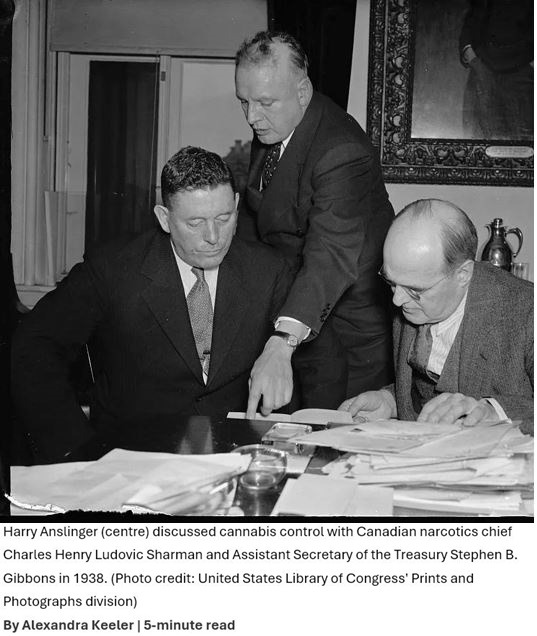
by Ivan Ray | Feb 26, 2025 | Illicit Drugs, Library, Politics

The US has had a drug czar for decades. Experts share how this position has shaped US drug policy—and what it could mean for Canada
CAA Comment-
While the concept of a Drug czar has some merit, we are loath to promote and create another arm of government unless there are compelling justifications. The cost of establishing an effective Czar concept would outweigh the benefits, and the money would be better spent on new initiatives on the demand side of the drug trade.
The risk of the czar concept is that it can be too easily manipulated for political gain rather than effectively addressing the problem. We have already seen in Australia how the pro-drug lobby and sympathisers have hijacked and promoted Harm Minimisation that has not contributed to a reduction in drug use. There is, however, an argument that Harm minimisation has had the opposite effect by providing quasi-support for drug use and providing users with justification for their behaviour.
The CAA strongly believes in a two-pronged strategy: the users, or the demand side, are subjected to strict law enforcement backed up by non-voluntary intervention to address the users’ health issues.
While not turning a blind eye to the supply side, the most effective method to damage the supply trade is to reduce the demand, and in Austria, the Demand side is driving the unfettered expansion of the drug trade.
The present settings ensure the end users are treated like expendable fodder, feeding the drug lords’ insatiable appetite for wealth and power.
Every step to reduce demand adversely impacts the drug trade, driving down drug prices.
The drug scourge can only be managed by the principle of market forces.
The current strategies have not worked and never will. The sooner they are dumped the better for the community and drug users alike.
Last week, Canada announced it would appoint a “fentanyl czar” to crack down on organised crime and border security.
The move is part of a suite of security measures designed to address US President Donald Trump’s concerns about fentanyl trafficking and forestall the imposition of 25 per cent tariffs on Canadian goods.
David Hammond, a health sciences professor and research chair at the University of Waterloo, says, “There is no question that Canada would benefit from greater leadership and coordination in substance use policy.”
But whether Canada’s fentanyl czar “meets these needs will depend entirely on the scope of their mandate,” he told Canadian Affairs in an email.
Canadian authorities have so far provided few details about the fentanyl czar’s powers and mandate.
A Feb. 4 government news release says the czar will focus on intelligence sharing and collaborating with US counterparts. Canada’s Public Safety Minister, David McGuinty, said in a Feb. 4 CNN interview that the position “will transcend any one part of the government … [It] will pull together a full Canadian national response — between our provinces, our police of local jurisdiction, and work with our American authorities.”
Canada’s approach to the position may take cues from the US, which has long had its own drug czar. Canadian Affairs spoke to several US historians of drug policy to better understand the nature and focus of this role in the US.
The first drug czar
The term “czar” refers to high-level officials who oversee specific policy areas and have broad authority across agencies.
Today, the US drug czar’s official title is director of the Office of National Drug Control Policy. The director is appointed by the president and responsible for advising the president and coordinating a national drug strategy.
Taleed El-Sabawi, a legal scholar and public health policy expert at Wayne State University in Detroit, Mich., said the Office of National Drug Control Policy has two branches: a law enforcement branch focused on drug supply, and a public health branch focused on demand for drugs.
“Traditionally, the supply side has been the focus and the demand side has taken a side seat,” El-Sabawi said.
David Herzberg, a historian at University at Buffalo in Buffalo, N.Y., made a similar observation.
“US drug policy has historically been dominated by moral crusading — eliminating immoral use of drugs, and policing [or] punishing the immoral people (poor, minority, and foreign/traffickers) responsible for it,” Herzberg told Canadian Affairs in an email.
Harry Anslinger, who was appointed in 1930 as the first commissioner of the Federal Bureau of Narcotics, is considered the earliest iteration of the US drug czar. The bureau later merged into the Drug Enforcement Administration, the lead federal agency responsible for enforcing US drug laws.
Anslinger prioritized enforcement, and his impact was complex.
“He was part of a movement to characterize addicts as depraved and inferior individuals and he supported punitive responses not just to drug dealing but also to drug use,” said Caroline Acker, professor emerita of history at Carnegie Mellon University in Pittsburgh, Pa.
But Anslinger also cracked down on the pharmaceutical industry. He restricted opioid production, effectively making it a low-profit, tightly controlled industry, and countered pharmaceutical public relations campaigns with his own.
“The Federal Bureau of Narcotics [at the time could] in fact be seen as the most robust national consumer protection agency, with powers to regulate and constrain major corporations that the [Food and Drug Administration] could only dream of,” said Herzberg.
The punitive approach to drugs put in place by Anslinger was the dominant model until the Nixon administration. In 1971, President Richard Nixon created an office dedicated to drug abuse prevention and appointed Jerome Jaffe as drug czar.
Jaffe established a network of methadone treatment facilities across the US. Nixon initially combined public health and law enforcement to combat rising heroin use among Vietnam War soldiers, calling addiction the nation’s top health issue.
However, Nixon later reverted back to an enforcement approach when he used drug policy to target Black communities and anti-war activists.
“We knew we couldn’t make it illegal to be either against the war or Black, but by getting the public to associate the hippies with marijuana and Blacks with heroin, and then criminalising both heavily, we could disrupt those communities,” Nixon’s top domestic policy aide, John Ehrlichman, said in a 1994 interview.
Michael Botticelli, Acting Director of the Office of National Drug Control Policy March 7, 2014 – Jan. 20, 2017 under President Barack Obama. [Photo Credit: Executive Office of the President of the United States]
Back and forth
More recently, in 2009, President Barack Obama appointed Michael Botticelli as drug czar. Botticelli was the first person in active recovery to hold the role.
The Obama administration recognised addiction as a chronic brain disease, a view already accepted in scientific circles but newly integrated into national drug policy. It reduced drug possession sentences and emphasised prevention and treatment.
Trump, who succeeded Obama in 2016, prioritised law enforcement while rolling back harm reduction. In 2018, his administration called for the death penalty for drug traffickers, and in 2019, he sued to block a supervised consumption site in Philadelphia, Pa.
Trump appointed James Carroll as drug czar in 2017. But in 2018 Trump proposed slashing the office’s budget by more than 90 per cent and transferring authority for key drug programs to other agencies. Lawmakers blocked the plan, however, and the Office of National Drug Control Policy remained intact.
In 2022, President Joe Biden appointed Dr. Rahul Gupta, the first medical doctor to serve as drug czar. Herzberg says Gupta also prioritised treatment, by, for example, expanding access to naloxone and addiction medications. But he also cracked down on drug trafficking.
In December 2024, Gupta outlined America’s international efforts to combat fentanyl trafficking, naming China, Mexico, Colombia and India as key players — but not Canada.
Gupta’s last day was Jan. 19. Trump has yet to appoint someone to the role.
Canada’s fentanyl czar
El-Sabawi says she views Canada’s appointment of a drug czar as a signal that the government will be focused on supply-side law enforcement initiatives.
Hammond, the University of Waterloo professor, says he hopes efforts to address Canada’s drug problems focus on both the supply and demand sides of the equation.
“Supply-side measures are an important component of substance use policy, but limited in their effectiveness when they are not accompanied by demand-side policies,” he said.
The Canada Border Services Agency and Health Canada redirected Canadian Affairs’ inquiries about the new fentanyl czar role to Public Safety Canada. Public Safety Canada did not respond to multiple requests for comment before publication.
El-Sabawi suggests the entire drug czar role needs rethinking.
“I think the role needs to be re-envisioned as one that is more of a coordinator [across] the administrative branch on addiction and overdose issues … as opposed to what it is now, which is really a mouthpiece — symbolic,” she said.
“Most drug czars don’t get much done.”
by Ivan Ray | Feb 17, 2025 | Library, Politics, Youth
Victoria’s newly minted Opposition leader has wasted no time wading into the youth debate. His enthusiasm is palpable and very welcome, and clearly, he is a conviction politician who, in a leadership role, augers well for Victoria’s future.
His vision for improving the management of youthful offenders has a lot going for it, but he has missed a couple of keys that have got us to where we are today and must be addressed first.
The reality of the current situation in juvenile management is that we have seen the failure of overly punitive approaches of years past as we have seen the obverse where the perpetrators avoid accountability; both options are failures, so we need to look at why.
A significant factor is the inability of the ‘judiciary’ and ‘the system’ to recognise that they are dealing with children who have a totally different ethos from the youth justice system leaders and policymakers.
A key factor in the make-up of the youth psyche is the ‘here and now’ syndrome, where they live in the moment and do not overthink further than what they are engaged in. That only comes with maturity.
What this does is wind the clock, to time differently to adults. What may be a relatively short time for an adult can be an eternity for a child. To see how this works, offer a child a meal at McDonald’s in about 15 minutes. You can then observe their reaction as their time ticks by, as opposed to yours.
This time phenomenon must be used in the Judicial management of Juvenile perpetrators.
The other critical issue is accountability. Young people must be taught that any action that is not acceptable must have consequences if they breach community norms. Whether criminal or otherwise, if their behaviour is not corrected, then escalation is inevitable.
Most responsible parents will correct children’s behaviour from a very young age. Whether it is the parent’s fear of averting the child from danger or simply convenience, the parental approach must always include a consequence. Parents quickly learn that without a consequence, whatever that may be, the child’s behaviour will not alter.
The alternative ‘rational’ approach of some parents is where they think their young child will respond and understand a lecture on behaviour. Lecturing 3-4-year-olds in the centre of a Supermarket aisle is a classic that shows the parent’s ignorance and explains the child’s misbehaviour. Expecting a young child to rationalise like an adult is a major mistake.
The CAA agrees with the concept of diversion for young people but insists that there must be a backup plan to ensure the ‘consequences’ are applied to gain compliance. It is up to the child whether they are prepared to comply.
In Mr Battin’s approach, we are concerned about an eagerness to look overseas to seek a remedy. That will only provide an excuse for all and sundry within the Government to exploit the junkets rather than deal with the issue by applying lateral thinking.
The overseas experiences can be researched online without incurring the cost of being spent on a ‘solution finding tour’. Moreover, the experiences overseas were homegrown, which should also be our solution. The tendency to look elsewhere ignores the issue of cultural variations and, therefore, is unlikely capable of just being lifted and applied here and expecting a positive outcome.
The secret to success is to provide a plan that is simple, straightforward, and easy to implement in a cost-effective way that can be easily measured and easily modified to make inevitable necessary improvements measured against the pre-determined matrixes.
Using current government resources to avoid additional costs, the CAA proposal must be seriously considered.

by Ivan Ray | Feb 5, 2025 | Library, Media, Politics, Victoria Police Issues
Victoria can be forgiven for collectively exercising a sigh of relief at the announcement by the Allan Government about Bail Laws, Herald Sun 4th February 2025, but relief may well be premature until we see the new plans because we are not hopeful that the Government has seen the light and is proffering a solution to the worst crime rate in Victoria’s history and this may not be the silver bullet of Victoria’s hope.
The government only appears to view the problems through a narrow prism which will not lead to solutions that altering the Bail Laws is promoted to achieve.
We are not confident because the Premier has called an ‘immediate review’. Yes, that is the get-out-of-jail card so often brandished by politicians in a corner.
Pardon our scepticism, but we have seen all this before. No meaningful outcome will be achieved as the people called upon to conduct this review are the same people who advised the government on the ‘New’ crime laws passed into legislation less than six months ago that achieved little if any positive impact; at least, there is no noticeable change in the way the Courts or Police are operating that is visible.
The probability is not high that a new review by the same people and departments will expose how they got it all wrong last time.
What will happen is that the review outcome will exonerate the previous architects; the new review will see to it.
The irony is that the Premier does not even recognise the problem she is supposed to be dealing with.
There is no argument from us that the Bail Laws must be tightened, as must the judiciary’s discretion, as they will find ways to bypass possible changes to the Law.
And yes, if this is done correctly, we will see an improvement in the Law-and-Order space, but we cannot be complacent, as the crime issue will not be addressed by one magic (or not-so-magic) bullet.
All the changes in the Bail Laws may be thwarted by the judiciary, who have all seemingly overindulged in the Restorative Justice cool-aid.
The review must include how the independence of the judiciary can be retained while complying with any new strategies introduced.
Judicial accountability would be a good start.
Of equal importance is an understanding that crime prevention is the most cost-effective strategy to reduce crime. Stopping crimes happening first rather than dealing with the miscreants after they commit crimes makes absolute sense, but that does not sit well with some ideological advocates.
Seen often as the soft option, in Police parlance, Proactive policing is the only strategy shown to work.
The power of police foot patrols interacting with the community regularly is one of the most underrated weapons in the Police arsenal, but Victoria Police would instead put resources into the plethora of Task Forces and any other groups that are targeted at a particular crime after the event. We believe there are literally thousands of Police tied up in special target groups at a State and local level.
There will always be a need for some Task Force groups. Still, VicPol has become so addicted to them that they see no other alternative strategy, and there is no evidence that the Task Force approach actually works. With a rising crime rate, it is highly improbable they have any impact on the overall crime, only spasmodic impact on particular offenders who immediately get bail anyway, so the Police Task Force has been a waste of time.
Victoria has proven beyond any shadow of a doubt that recently developed strategies in combination promote /facilitate crime, not reduce it.
As we have pointed out previously, children do not enter this world with an ingrained criminal disposition; all criminal values are taught, so early intervention in a child’s development is critical, and the formative Primary School Years are the logical target area if a difference is to be achieved.
If a large percentage of police resources dedicated to Task Forces were redirected to early intervention, we would see a dramatic decline in crime.
Police performing their proper function would also see the Force attracting more recruits and retaining those they have.
The Premier would do well to ask the community what strategy they would prefer.
After all, they have to live with the consequences of whatever is implemented- this review must focus on Service Delivery as their guiding principle.

by Ivan Ray | Feb 4, 2025 | Library, Politics, Victoria Police Issues
CAA comment
This article, with comments submitted by James Basham, will be of great interest to the majority of our readers as it identifies quite clearly how the government is bereft of effective strategies to deal with terrorism and has headed down the path of a system that is loosely based on the failed Restorative Justice approach to problems in our society.
The Government really need to secure pragmatic thinkers who are not distracted by ideology to focus on how to best manage radicalisation in our society.
Critically, as this author points out, there is an absolute need for whatever system or strategy is adopted it must not bypass the current legal system, with all its flaws.
Establishing whether an individual has been radicalised based on a burden of proof of ‘the balance of probabilities’ at least gives a fair starting point to protect the wrongly accused and allow the community to defend itself.
**********************
EXTRACTS FROM THE EXECUTIVE SUMMARY OF THE AUSTRALIAN INSTITUTE OF CRIMINOLOGY (AIC) REPORT TO THE DEPARTMENT OF HOME AFFAIRS (DHA) REGARDING COUNTERING VIOLENT EXTREMISM (CVE) – AND COMMENTARY
Australian Institute of Criminology (AIC) was engaged to conduct a process and outcome evaluation of the Living Safe Together Intervention Program (LSTIP). The evaluation focused on reviewing the different models implemented in each jurisdiction, the underlying theory of change, and early indicators of positive outcomes for at-risk or radicalised individuals. The evaluation involved two principles [sic] methods—a rapid evidence assessment of effective Countering Violent Extremism (CVE) interventions and an extensive, national consultation process with stakeholders involved in the program.
THE RAPID ASSESSMENT OF ONLY POSITIVE INTERVENTIONS, TOGETHER WITH EXTENSIVE STAKEHOLDER CONSULTATIONS, ALLOWS AND PREDICTS A SERIOUSLY BIASED REPORT. IT’S UTILITY AND VALIDITY IS QUESTIONABLE… Author
When the LSTIP commenced, there was some uncertainty as to the scope of the problem and the degree to which a dedicated intervention program was required. There is an established, recognised and agreed need for the program.
THIS POINTS OUT THAT THE PROBLEM WAS ILL-DEFINED, IF AT ALL. THE LSTIP WAS A “GOOD IDEA” LOOKING FOR A PROBLEM TO SOLVE. LSTIP WAS APPLIED TO THE ILL-DEFINED PROBLEM. BUREAUCRACY IS THEN SEEKING TO JUSTIFY THE EXISTENCE AND REFINEMENT OF A SYSTEM THAT HAS AN ILL-DEFINED OR HIJACKED PURPOSE. THE LSTIP MAY DELIVER SOME COMMUNITY VALUE, BUT IT DOES NOT SQUARELY ADDRESS COMMUNITY NEEDS FOR SECURITY AGAINST RADICAL EXTREMISM – NOR SHOULD IT BE PURPORTED TO DO SO… Author
The program has become embedded within broader counter-terrorism response with the level of intervention activity commensurate to relative threat level and demand…..
FALLACY. THE PROGRAM IS NOT “…COMMENSURATE WITH THREAT…” DURING JANUARY 2025, RADICALISM IS OUTPACING AUTHORITY’S PROTECTIVE POWERS TO PREVENT COMMUNITY HARM. THE PROGRAM CAN BE EXPECTED TO CONTINUE TO FAIL TO DELIVER COMMUNITY SECURITY – EVEN IF LEGISLATED… Author
The programs are embedded as part of the broader counter-terrorism response in each jurisdiction, providing a viable alternative to arresting and monitoring at-risk individuals. All of the Intervention Coordinators can case manage clients who are referred to the program.
IF DEMONSTRATED VIOLENT RADICALISM IS THE MEASUREMENT CRITERIA, THE PROGRAM IS NOT WORKING SUCCESSFULLY – IT IS NOT VIABLE. OFFENDERS ARE FREE TO CONTINUE THEIR DAMAGING ACTIVITIES, EVEN THOUGH PERHAPS A LITTLE MORE SOCIALLY ORIENTED DUE TO THE PROGRAM. THE COMMUNITY EXPECTS AND ACCEPTS THAT OFFENDERS INVOLVED IN DRIVING UNDER THE INFLUENCE (DUI’s ) OR APPREHENDED VIOLENCE ORDERS (AVO’s) ARE ARRESTED AND/OR MONITORED. THE LAW PROVIDES FOR NUMEROUS CONTROLS TO BE APPLIED. SIMILARLY, SO SHOULD THE LAW BE APPLIED TO VIOLENT RADICALS DUE TO THEIR SERIOUSLY NEGATIVE EFFECTS ON COMMUNITIES – REGARDLESS OF AGE OR GENDER, WHICH APPEAR TO HAVE NO BEARING ON THE OFFENDING.
ALL INTERVENTION COORDINATORS ARE SAID TO HAVE THE CAPACITY TO MANAGE REFERRED CLIENTS – WHICH THAT MANAGING FOR COMPLIANCE TO THE INADEQUATE SYSTEM IS A FUTILE ACTIVITY…Author
The number of clients who have been engaged in the intervention program differs between the states and territories but appears to broadly reflect the threat level and demand in each jurisdiction.
OBVIOUSLY, THIS DOES NOT WORK TO PROTECT THE COMMUNITY BECAUSE OFFENDERS OFTEN ARE ACTUALLY REPEAT OFFENDERS – THE PROGRAM IS POWERLESS TO PROTECT THE COMMUNITY. THERE IS NO EVIDENCE OR LOGIC PRESENTED THAT SUGGESTS THAT THE PROGRAM HAS PREVENTED RADICAL BEHAVIOUR – IT’S CONSPICUOUS BY ITS ABSENCE IN THE REPORT… Author
There was broad agreement that the CVE Intervention Coordinators are committed and highly skilled individuals who have effectively established and monitored the various processes necessary for the operation of the program.
THAT’S ABOUT PROCESSES – MANAGING FOR COMPLIANCE TO THE INADEQUATE PROGRAM. IT’S NOT ABOUT OUTCOMES THAT ARE EFFECTIVE/PROTECTIVE…Author
The ability of Coordinators to form relationships with other agencies to develop referral pathways and deliver services to clients was noted as being particularly well-developed. They are proactive in identifying implementation barriers but have, at times, had limited capacity to overcome these issues.
COORDINATORS ARE PROACTIVE AND CAPABLE AT IMPLEMENTING A PARTICULARLY WELL-DEVELOPED SYSTEM – THAT SYSTEM LEAVES THE COMMUNITY VULNERABLE AND LEAVES OFFENDERS FREE TO REPEAT/RENEW THEIR OFFENDING. THE RELATIONSHIP BETWEEN THE SYSTEM/PROGRAM AND COMMUNITY SECURITY IS, AT BEST, TENUOUS..Author
…….case plans are tailored to individual needs; interventions focus on positive community integration and participation with a view to building clients’ social and emotional resilience to extremist ideologies and introducing positive influences into their social network; and access is provided to mental health services that address issues with psychopathology and antisocial traits.
WONDERFUL!!…… BUT THERE ARE NO INDEPENDENT EXTERNAL DISINCENTIVES TO DOING RADICAL COMMUNITY HARM. TOLERANCE FOR COGNITIVE DISSONANCE IS INTERNALLY CONTROLLED. SELECTIVE PERCEPTION AND CONFIRMATION BIAS HAVE PROBABLY BEEN INSTRUMENTAL IN DEVELOPING RADICALISM IN THE FIRST PLACE, AND THEY WILL CONTINUE TO APPLY TO RESIST EXPERIENTIAL LEARNING BY CLIENTS IN THE LIVING SAFE TOGETHER INTERVENTION PROGRAM (LSTIP) SYSTEM. LSTIP CLIENTS, WITH THEIR NEWFOUND SOCIAL AND EMOTIONAL RESILIENCE, MAY THEN BE EVEN BETTER EQUIPPED TO RETAIN AND CAMOUFLAGE THEIR REAL ORIGINAL VIEWS AND TO INFLUENCE OTHERS ADVERSELY… Author
However, interventions focusing on developing critical thinking and empathic skills, and those specifically focused on countering extremist ideological messaging in some way, are not being used.
THE MAJOR FOCUS OF BUREAUCRACY IS TO MAKE THE “CLIENT” FEEL LOVED [AND THEREBY ENCOURAGED TO FEEL GOOD ABOUT THEMSELVES] RATHER THAN PROVIDING THEM WITH KNOWLEDGE AND SKILLS TO FILTER INPUTS OF OTHER RADICALS AND TO UNDERSTAND THEIR IMPACT ON INDIVIDUALS AND COMMUNITY. EVEN IF THIS SERIOUS SHORTFALL WAS ADDRESSED, IT MIGHT NOT BE SUFFICIENT TO OVERCOME THE CLIENT’S TOLERANCE FOR COGNITIVE DISSONANCE [AS ABOVE]… Author
This includes improved access to mental health services, improved confidence and self-worth, forming prosocial relationships with peers, enhanced social and independent living skills, increased employability, and improved access to various government and non-government support services. There are positive signs of attitudinal change among young people with extremist views, but mixed evidence in relation to changes in behaviour and how these attitudes had manifested. ………………..there is a clear need to develop mechanisms for monitoring the progress of clients and measuring the impact of the intervention program across relevant outcome domains.
BUREAUCRACY FACILITATES/ENABLES OPPORTUNITY FOR CLIENT/OFFENDERS TO SPREAD THEIR RADICAL INFLUENCE FURTHER – AND FEEL GOOD ABOUT IT……..DESPITE HAVING “…limited data available on the impact of the intervention program”. IN THE REPORT, THIS IS HEADED AS “…promising evidence of positive outcomes….”
ACTUALLY, THE COMMUNITY IS LEFT VULNERABLE BY UNCERTAIN OUTCOMES OF A PROGRAM THAT IS NOT KNOWN TO BE EFFECTIVE.
THE EXECUTIVE SUMMARY OF THE AIC REPORT WINDS UP WITH A DAMNING STATEMENT ABOUT THE SHORTFALLS OF THE PROGRAM [LSTIP]:…Author
Among the most pressing issues are the absence of appropriate, consistent and formalised case management processes, different opinions about who should be included in the program, and concerns about the suitability of the s. 47E(d) tool, barriers to information sharing, the lack of consistent agreement about the aim of the program and definition of success, unanswered questions regarding the need for an intervention component, and concerns about the longer-term sustainability of the LSTIP.
THE LSTIP PROGRAM MAY DELIVER SOME DESIRABLE SOCIAL OUTCOMES, BUT IT IS NOT THE ANSWER TO VIOLENT EXTREMISM IN OUR COMMUNITY.
IT WOULD BE IRRESPONSIBLE TO LEGISLATE INTERVENTION ATTENDANCE BY EXTREMISTS IN THE MISTAKEN BELIEF THAT IT IS A SOLUTION TO THE SECURITY PROBLEMS THEY PRESENT.

by Ivan Ray | Jan 26, 2025 | Library, Politics, Victoria Police Issues
CAA SUBMISSION ON PROPOSED AMENDMENTS
to the
TERRORISM (COMMUNITY PROTECTION) AND CONTROL OF WEAPONS AMENDMENT BILL 2024
The principles of this legislation are flawed.
PART 1 TERRORISM COMMUNITY PROTECTION
There is nothing in this amendment that would in any way improve or provide any Community Protection.
The concept of this Bill as a community protection initiative is absurd as it identifies at-risk individuals and invites them to volunteer for the MAP program.
And there are serious questions about the efficacy of deradicalisation programs.
As reported in the Herald Sun on 15th of Jan ’25, under the banner ‘Deradicalisation programs have mixed impact, report says’,
“Deradicalisation programs have failed to change the behaviour of high-risk individuals authorities fear could commit acts of terror in Australia or produce data on whether the initiative actually works.
Further, there have been a small number of cases where the risk associated with clients had escalated and required the involvement of law enforcement.”
The revelations come amid rising reports of antisemitism and after a spate of attacks by individuals in deradicalisation programs last year”.
This report highlights the folly of relying on bureaucratic processes to manage such an important function to protect the community instead of the legal system.
If legislation is deficient, correct it and empower the law enforcement process to manage these extremists. Courts can at least make binding orders to mitigate risk, something the bureaucracy can’t do.
We were stunned to discover two operational deradicalisation programs, LSTIP and MAPS.
Establishing a deradicalisation industry is obviously on its way, which leads to suspicion that the growth of this industry has more to do with the players involved in creating their quango rather than protecting the community, which appears to be a by-product at best.
Again, this initiative is designed to help the perpetrators, not the public. The perpetrator-first approach is the hallmark of Restorative Justice, a flawed approach to crime and/or antisocial behaviour where the perpetrator is rewarded rather than punished.
The reliance on deradicalisation is a significant flaw as there is no empirical data to suggest the likelihood of success and no reliable mechanism to guarantee that deradicalisation has been achieved; the expert consensus is that it has a hit-and-miss success rate.
To rely on such a system to protect the community is an abdication of the government’s responsibility and should something go awry. The government should be held accountable alongside the perpetrator.
How is this protection manifested? How do the Community feel protected,
The community do not know who these individuals are, where they are located and the circumstances of their radicalisation.
A family may choose to change their circumstances if they become aware of somebody close being identified as being either potentially or actually radicalised. Moreover, the employment arrangements involving the perpetrator may vary legitimately when an employer finds out an employee is on that path.
Why should the community be left in the dark? That is not community safety. It is protection for the perpetrator.
The amendments do not address these issues, leaving the government with substantial liability if things go wrong, and they fail to let people know the risks.
We live in a democracy, and nobody should be exposed to sanctions by the government bureaucracy. This is an unambiguous role of the courts. The High Court has had plenty to say about this question recently.
The volunteer nature of persons entering the MAP program leaves open the allegations of coercion to volunteer, such as” Have we got a deal for you”?
As for the perpetrator, there appears to be no effort to include protection for their rights once they are nominated as potentially or actually being radicalised. At what stage can their rights be interfered with is, or should it be a matter for a Court, not the bureaucracy?
The failure to process suspects in the normal consequence through the Courts is a failure of democracy – they are voluntarily coerced into accepting they are radicalised, and they are entirely processed administratively, losing all rights.
The high court has been clear on the application of penalties by bureaucrats and not the Courts, and no matter how much bureaucrats may pretend otherwise, MAPS and LSTIP are sanctioning.
We are not arguing against the concept of deradicalisation, but we are saying that the courts, not bureaucrats, must manage it. At least that way, the radicalisation has to be proven beyond a reasonable doubt or on the balance of probabilities, not some obscure administrative process.
If the current offences do not adequately cover these situations, new legislation must be enacted to ensure the Courts manage these people.
A parallel to understanding the folly of this approach would be to have the community advise a bureaucracy of a regular drunk driver. That driver is offered an alcoholic program but continues to drive under the influence.
A second and more current initiative is Pill Testing, where the government will test your illicit pills and give you the green light to take them. They are still illicit, and the tests only cover the pill presented, not the ones being consumed.
Their efforts, and there are more, indicate a trend where any personal accountability and responsibility is diminished and fuelled by government intervention.
The long-term result will be the diminished need or perhaps elimination of some courts as their function is demoted so that governments can control these matters through their bureaucracies. We will all then live in a Restorative Justice nirvana.
The cost of a democracy designed to manage the individuals without checks and balances the Courts would provide is horrendous, and the energy expended would be far better used to fit the suspected radicalised individual with an ankle bracelet based on a court order.
That would protect the individual from malice by false accusations and protect the community, whereas the voluntary program will not.
Part 2 CONTROL OF WEAPONS AMENDMENT BILL 2024
The Control of Weapons Bill amendments should repeal the whole Act and ensure that police have the power to do their job. This is a switch-on-switch-switch-off approach that is clearly aimed at controlling police operations without the expectation of any positive outcome, either proactively or reactively.
It is also a dangerous and direct attack on the essential independent operational function of policing.
It is ludicrous for Police to declare an area subject to exercising powers unless an improbable agreement can be made that all perpetrators restrict themselves to the given controlled area.
Controlled weapons do not gain status by being carried in a declared area, so the concept of controlled areas is absurd. They are always a controlled weapon no matter where they are carried.
The perpetrators only need to avoid the area to avoid detection – that doesn’t stop the problem; it simply relocates it. If anybody is found by Police with a weapon in the declared area, they obviously didn’t read the paper. The foolhardiness of this approach is the people who carry controlled weapons are most unlikely to read the paper or go online to the police site to check where the police operations are.
This strategy follows the line of the approach to the drug problem – providing injecting facilities – providing drug paraphernalia to addicts, and testing pills, all deliver the same message that these things are not really illegal because the government is facilitating them.
That’s how the warnings of declared areas will be interpreted.
The weapons are the same; therefore, perpetrators must be subject to the same risks of getting caught irrespective of where they are and when.
If the legislation is deficient in this area, the amendments must enhance the ability of the Police to intervene in the carriage of any controlled weapon.
Anybody carrying a controlled weapon in any place at any time must be able to be arrested and prosecuted. Police must have the power to search and seize based on reasonable suspicion. Reasonable can be tested by the courts.