As the CAA prepares for a meeting with the new Chief Commissioner, we ponder the circumstances that the Force now finds itself in.
As we reflect on the machinations that led to the appointment of Mr Bush, we cannot help but be concerned for the future of Policing in this State.
Without negative inflection on the current or former Chief Commissioner, the process, however, leads to some very grave concerns.
According to the Government, Shane Patton was removed because of a vote of no confidence by the membership.
Now, four Victorian Chief Commissioners of Police have faced votes of no confidence by police members, a worrying trend:
Reg Jackson (1971–1977)
Jackson faced a vote of no confidence during his tenure, but remained in the role until his retirement. The specific reasons for the ballot are less documented, but it did not result in his removal.
Mick Miller (1977–1987)
Like Jackson, Miller also faced a no-confidence vote but survived it and continued to serve until the end of his term.
Kel Glare (1987-1992)
Although Kel Glare faced a Vote of no confidence during his tenure as Chief Commissioner, the vote was defeated.
Shane Patton (2020–2025)
In early 2025, 87% of the 14,571 Police Association members who voted expressed no confidence in Patton’s leadership. The vote was primarily driven by dissatisfaction over a prolonged pay dispute, staffing shortages, and rising crime rates.
Amongst those Chiefs that faced off with the membership, organised by the Police Association, Miller was arguably one of the longest serving Chiefs in recent history.
The no-confidence vote in Patton was driven by:
A prolonged and unresolved pay dispute between the Police Association and the State Government, which had led to multiple stop-work actions and dissatisfaction among officers. ( A Government-controlled issue.)
Concerns over leadership and morale, with police members feeling unsupported and frustrated by systemic issues such as resource shortages and repeat offending. (The repeat offending is primarily driven by the Courts and the Government’s lack of decisive legislative action.)
Political pressure, with some Opposition figures suggesting Patton was used as a scapegoat for broader government failures in law and order, cannot be dismissed. (A not unreasonable assumption given the woeful efforts of the Government to provide a strong legislative base for effective policing.)
In each of these challenges, we would argue that although the number of members voting was substantial, the police members were led by the Bears within the organisation.
Now we have a new Chief Commissioner, Mike Bush, whom we hope will provide the leadership and direction that VicPol and the State so desperately need.
But our most significant concern is the precedent that the Government has established by sacking a Chief Commissioner on what seem to be spurious political grounds.
When analysing the causes of the Police discontent, the Government has not addressed the problems but kicked the can down the road, and members are no better off today than when they rose to challenge Patton.
All that effort for a sum-zero game.
And what is more alarming is that there does not appear to be any action on the horizon to address the members’ concerns.
It should be noted that Patton was not sacked for the unsatisfactory crime rates, or the burgeoning crime and the juvenile crime surge. The lack of safety the community experiences or the Road toll.
Neither was he sacked for the lack of prosecutions of those, particularly of high rank, who allegedly committed criminal acts surrounding the Gobbo Affair, which has left a sour taste with all former and serving Police officers of good character, a significant factor in Police disquiet.
He was, however, sacked because the Rank-and-File lost confidence, so it was their fault he was sacked, not the Government.
Now, where does that leave Mr Bush and other Chief Commissioners following him?
The Police Association now has a weapon to use against the Government, expecting any further votes of no confidence will see the sacking of the incumbent Chief Commissioner, and/or the Police leadership. It all comes down to whether the Bulls or the Bears hold sway within the Police Association Executive.
It is also concerning that this action by the Government opens the door for other industrial action of a similar nature by other Emergency Services at a minimum.
With their current action, the Government has substantially reduced their bargaining position and depleted the authority of the Chief Commissioner, which is likely to create more industrial friction rather than settle the disquiet.
You can bet that now, every time the Association comes to loggerheads with the Government or the Chief Commissioner, the threat of a vote of no confidence will be writ large.
We can foresee troubling times ahead, and ultimately, the concerns of the members that precipitated this vote will be left unaddressed; the Government will simply appoint a new Chief Commissioner.
To outsmart the poor treatment of Police members, the smart move will be for the Bears and the Bulls to support the New Chief.
A successful Chief, in the main areas of public concern, is far less vulnerable to the machinations of any Government. It empowers the Chief into a stronger negotiating position with the Government, to the benefit of all members and the community.
Reports in the Herald Sun on the 13th of August 2025, relate to a double murder in Mount Waverley, where a neighbour had the misfortune to find the deceased couple in a horrific crime scene.
The murders were allegedly committed by a 34-year-old male, who was reportedly homeless and destitute.
What is concerning is the rush to defend the horrific actions, implying mental issues.
The unfortunate neighbour was quoted as saying,
“It’s always ‘justice system this, punish them harder, that’. The guy who did this is a mentally ill homeless man who fell through the cracks.
“You don’t prevent this thing by punishing any harder. People like that need help.”
A not unreasonable position, probably shared by many.
However, it does highlight the failure of the ‘System’ within this State.
If this case is a matter of somebody falling through the cracks, the bureaucrats responsible will no doubt paper over their failings as they have in the past and will continue to do so in the future to protect their fiefdom.
How long will we continue to tolerate a systemic failure of unaccountability within the State bureaucracies?
Tolerating and indulging mediocrity will sentence this community to face more horrific incidents.
The problem that we as a State are currently faced with, across a broad tranche of bureaucratic performance, is the ethos they are aligned to.
They are, and have for many years been, captured by the ‘serve yourself first,’ coupled with an ‘unhealthy political bias.’
They have lost the concept of ‘service to the State’ in a morass of political alliances and self-indulgent practices.
The argument that there is seperation between the bureaucracies and the government has long been a fallacy, and the role of the bureaucrats to provide fearless independent advice to the Government has evaporated.
And that is why there are ‘cracks’ for individuals to fall through?
This recent tragedy, in which three lives were lost, including that of an unborn child, has once again exposed the dangerous cracks in our public systems. If it is established that the alleged perpetrator was known to authorities and yet allowed to fall through these ‘cracks’, then the leadership responsible must be held to account.
It is not enough to express regret or to claim that no system can anticipate every eventuality. That defence, while convenient, is unacceptable. The role of public administrators and executives is precisely to foresee, manage, and mitigate risk, especially when lives are at stake. When they fail in this duty, consequences must follow.
The Chief Executive of the responsible agency must either offer their resignation or be replaced. Leadership is not merely a title; it is a responsibility. And when that responsibility is abdicated, the public deserves more than apologies – they deserve action.
As for the alleged offender, while there may be indications of a psychotic component to his behaviour, this must not be used to diminish the severity of his actions. Accountability must apply equally to individuals and to the systems that failed to prevent this tragedy.
The system should be capable of identifying people at risk or at risk of harming others. Early intervention is essential.
The Community Advocacy Alliance calls for a full, transparent investigation and for immediate steps to ensure that such systemic failures are not repeated. We owe it to the victims, their families, and the broader community to demand better and to ensure that justice is not only done, but seen to be done.
It would be interesting to know if the weapon/s used were supposed to be in the Machete bin?
The petition of certain citizens of the State of Victoria draws to the attention of the Legislative Council that many current and former Police and Emergency Services members are suffering from post traumatic stress injury (PTSI). The science is irrefutable. Providing assistance dogs to many sufferers is a cost-effective means of alleviating many of the adverse effects of PTSI.
A former police officer succumbed to PTSI after being shot in the head. The officer was provided with an assistance dog, Yogi. The officer’s medication requirements reduced dramatically, vastly improving their general and mental health.
Sourcing and training assistance dogs is expensive. New South Wales allows prisoners to work with dogs until they become fully trained working assistance dogs. In Victoria, at Tarrangower Prison, inmates train greyhounds to be assistance dogs. Benefits are twofold: inmates’ rehabilitation is assisted by having the responsibility of caring for and training these dogs, giving them a sense of purpose and boosting their self-esteem and confidence and fully trained dogs are available.
There is an urgent need to acquire and deliver assistance dogs to Police and Emergency Service workers suffering from PTSI. Substantial savings to the health system would be an additional benefit.
The petitioners therefore request that the Legislative Council call on the Government to immediately introduce an assistance dog acquisition and training program in selected prisons to provide assistance dogs to current and former Police and Emergency Service workers suffering from post traumatic stress injury (PTSI) and initiate funding to finance this program by adding one or two dollars to the cost of dog registrations across Victoria to be specifically reserved for this purpose.
There is a serious lack of Justices of the Peace (JPs) in Victoria. JPs provide an invaluable service to Victorians. All act in an Honorary capacity, saving the State millions of dollars.
JPs provide official certification of copies of documents for:
Birth Certificates. Immunisation School docs. Driver’s Licence – certified copy. Certified copies of student records. Statutory Declarations re Intent to Marry. Witnessing documents relating to loans. Certified copies of a plethora of other documents relating to job applications, professional registrations, affidavits, divorce documents, powers of attorney, advanced care directives, voluntary assisted dying, death certificates, probate and the list goes on. Providing a service from the cradle to the grave.
JPs sign about 2.4 million documents each year, help about 600,000 people, volunteer more than 625,000 hours of their time and save the community an estimated $39 million in real costs.
A lack of JPs is imposing a burden on overworked police, and it is estimated freeing up police from things JPs could do would release the equivalent of 415 police per annum.
Taking the number of JPs in each State in 2025, Victoria has 3,500. New South Wales has 75,800, Queensland has 80,000, South Australia has 7,000, Western Australia 2,000 and Tasmania 700.
Victoria’s Honorary Justice System is teetering on the edge of collapse. The Government seems utterly indifferent to the looming crisis and is doing nothing to ensure such a valuable and essential service continues. No new JPs are being appointed.
The time for action is NOW.
The Community Advocacy Alliance calls on the Government to immediately appoint sufficient new JPs to ensure this essential service can survive and prosper in the interest of all Victorians.
While this headline may confuse some who are not culturally literate, the meaning relates to fairness, and the colloquialism highlights what we should be offering our new Chief Commissioner: support.
After his appointment was announced, the reactions from many within Policing and those external to the genre were mixed. Generally, they came down in favour of the Force having an opportunity to reset with a leader not restricted by harmful biases, a new broom.
Mike Bush was appointed Chief Commissioner of the Victoria Police on the 27th of July 2025. He had previously served as the Commissioner of Police in New Zealand.
He has been in the chair 29 days, and rumblings of discontent are spreading both within and outside the Force.
These rumblings are grossly unfair and misguided in light of the realities of being Chief.
We have no idea of the knowledge of this State or its police force, the new Chief possesses, but it must be understandably limited, not only professionally but culturally (hence the title of this piece may need interpretation for him). It is a huge leap to lead one of the largest police forces in this country.
Just establishing who he can trust within the organisation is a huge and critical function.
Since he was appointed, even with all his personal adjustments, moving to a new country, albeit just across the ditch, the new chief has hit the role at full pace. He really hasn’t had a chance to unpack his bags.
His other major challenge is the culture at VicPol. We have been accustomed to Chief Commissioners being appointed from within Australia. Christine Nixon, who came from New South Wales, went on to attack the force’s culture with very mixed results. Two others came from the Australian Federal Police with little or no community policing experience.
The folly of appointing an outsider is always fraught with difficulty, and it is far too soon to cast comparisons of the new chief, although early signs are encouraging.
Much of the criticism has been about his lack of media appearances, something those same critics conversely levelled at several recent Chiefs who were employed as nodding heads behind political leaders, designed to show the citizens that politicians are in charge, effectively overriding the Force’s operational independence and demonstrating its subservience to the political masters.
Appearances are everything.
Moreover, the use of police chiefs in this way is akin to the school yard bully who always arranged to have the biggest and strongest kid behind them in any confrontation as a backstop to project power and control.
Our view is that if the politicians want to front the media, that’s their prerogative, but please, do away with the “Noddies”.
It is often said that the most dangerous place to be is between a media camera and a politician; they will bowl you over (physically and metaphorically).
However, the idea of joint press conferences must be abolished.
If the situation requires the Chief Commissioner or the Force members more broadly to address the community, they should hold their own press conference.
To all the current critics, rather than criticising the Chief, you might be better off asking where the rest of the Command is?
They are conspicuously absent, with a rare exception, from the media, suggesting an interesting dynamic.
Rather than supporting their New Chief and ‘cutting him a break’, they are ‘keeping their heads below the parapet’, and for many of them, a very wise move, albeit the parapet will not protect their performance or lack of it, but rather than worrying about their careers, they should be worrying about the Force and support the new CCP.
The core of the issue, according to the critics, is just what this new Chief has been doing in his 29 days.
He has been visiting Stations and workplaces, talking with members to gain an understanding of the status quo and identify their issues. He has also been meeting individually with all the Force’s senior personnel, both sworn and unsworn, and there are a lot of them numerically, a major problem with VicPol. He has familiarised himself with all the major Police complexes. He has attended a police funeral and attended the scenes of a number of major incidents during this period.
On some of these, he has attended in plain clothes so as not to be seen to be taking over, but to observe and support.
By any measure, he has been doing what a new Chief Commissioner should be doing, and there should be no argument that what he is doing is what is expected of him.
Speak to any former Chief Commissioner, and even those promoted internally, and they will tell you it takes 3-4 months to get a good grip on the organisation from the perspective of the Chief Commissioner role. Furthermore, if you talk to any of the former Victoria Police who were fortunate enough to lead other Police Forces in Australia, the bedding-in period was more like 4-6 months.
For the good of this State and the Force, premature criticism is ill-placed.
Let’s give this guy a ‘fair suck of the sav’, there will be plenty of time to throw bouquets or bricks at his performance going forward.
Let us all get behind him and give him ‘afair go’, that is the Aussie way.
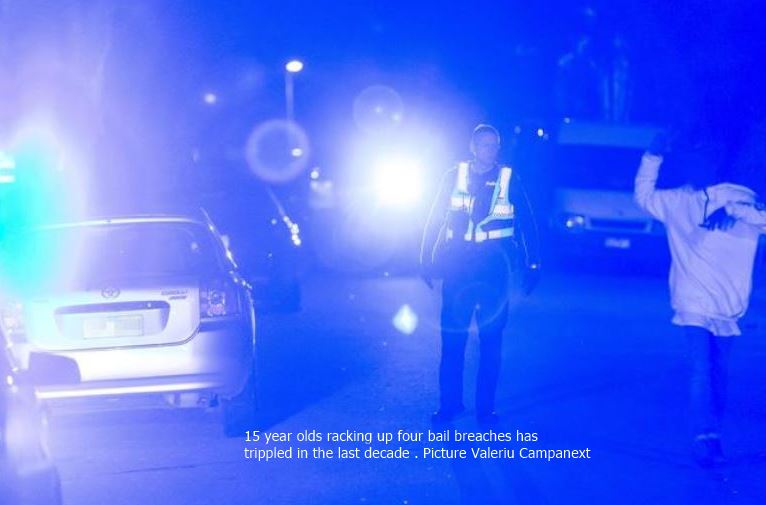
The hope that at last we were, seeing some semblance of justice in our community after the introduction of new bail laws has been wiped, by the reports in the Herald Sun, 22nd of July 2025, that a 15-year-old thug has been released without further supervision, because ‘he wouldn’t comply anyway’.
It is reported that the thug first came under police notice at the age of 11 and since then has racked up over 400 offences and been bailed over 50 times, continually breaching Bail.
This case highlights the inadequacy of the justice system, the judiciary, and Child protection, which have failed dramatically.
It is time these bureaucrats are held accountable, and if their current management can’t deliver good results, then the solution is clear: remove them and find someone who will make the system work.
There is no need for an inquiry, the popular go-to diversion used by Governments.
What is needed is capable management with a focus on innovation and repairing a broken system.
What is particularly appalling is that, given the high number of offences that this juvenile has committed, why should the Court foist this one-person crime wave back on the community? They must take responsibility for the actions of this youth.
The courts will not learn that protecting the community is an essential role of their being. The chances of reoffending and the possibility that someone will get injured or killed by them are real.
The argument of avoiding this child thug from being institutionalised just doesn’t wash with the community, nor should it. This thug is the master of his own destiny, good or bad, and while he chooses bad, then the community must be protected, and if, consequently, he is institutionalised, so be it. It’s up to him.
The risk to the community from this thug is in the extreme range, with a real potential that he will kill or maim an innocent citizen in a high-speed jaunt he has regularly performed over his thus far criminal career.
The same risks apply to the thug himself, from which the risk of institutionalisation would be a small price to pay to protect him from himself.
If the worst happens, where does that leave the Magistrate who had the opportunity to mitigate that risk?
The Magistrate sentenced the youth to four months’ Youth Detention, meaning with time already served, he was able to walk from the Court back into society and his normal criminal lifestyle without any supervision.
The boy had previously had 388 criminal charges against him struck out, due to the doli incapax rule, which states that a child aged 10 to 14 can’t be held criminally responsible.
And that is how this rule change works against society and perpetrators alike. How can it possibly be that after being charged with 388 criminal charges, and multiple Court appearances where the judiciary would have berated him on his behaviour, the perpetrator still claims the doli incapax rule applies and that what he was doing he didn’t know was wrong.
There is an urgent need to place a cap on offending where the doli incapax rule allows protection against prosecution. After two or three Court appearances for a crime, the doli incapax rule for that individual must be modified and or removed.
If the Courts won’t do it, then the Legislators need to step in to protect the community.
The changes in the age of young people accessing protection by the doli incapax rule have now been exposed by this criminal as wrong, and the ages of criminality should be re-adjusted back to where they were.
The status quo allows for the intent of this rule and the age limits to be abused.
It is staggering that, as a country, we have offered this child protection and a new opportunity by granting him a Temporary Refugee Visa.
His abuse of this country’s generosity and the danger to its citizens, despite multiple chances, has demonstrated clearly that he has abused the gift.
He must now be referred to Immigration to take action to withdraw the visa and return the individual to his country of origin.
[See: caainc.org.au or search ‘vic gov petitions’.]
Just last weekend there was a report relating to 3 drowned platypuses in an illegal fishing net in the Little Yarra River in Yarra Junction.
The most disturbing aspect of this is that the location of the deaths of these superb creatures was within the operational boundary of the now closed Braeside fisheries station, where now axed Fisheries Officers would have investigated this crime with a view to prosecuting the offender. Platypuses are already significantly threatened because of human impact, and their populations are severely limited. These individuals are likely to have young in burrows at this time of the year, and are now likely to perish without their guardians, wiping out a large portion of the local population in this area.
In recent weeks, Fisheries Officers have seen alarming increases in fisheries-related offending, particularly in relation to Marine Park Incursions. Port Campbell local residents were concerned at the number of recreational vessels fishing inside the iconic 12 Apostles Marine Park. A reactive response by the Victorian Fisheries Authority resulted in vessels being detected inside the Marine Park and offenders being dealt with. Also in the last fortnight, remaining Fisheries Officers at Mallacoota (who had to be assisted by NSW Fisheries Officers due to limited resources), detected and apprehended a licensed commercial abalone vessel illegally taking 800+kg of abalone from the Cape Howe Victorian Marine National Park in Far East Gippsland (near Gabo Island).
In central inland Victoria, compliance rates have also declined amongst Murray Spiny Freshwater Crayfish fishers, with numerous individuals being detected exceeding catch limits, taking undersized and oversized crayfish, as well as taking female crayfish in berry (carrying eggs).
On social media, there have been increases in racially motivated vigilante behaviour by unauthorised individuals seizing catch from fishers and berating them on video. This sort of behaviour is going to become far more common, particularly as we head into the busy summer months, with the knowledge that there are so few Fisheries Officers patrolling and officers unavailable to respond to 13FISH calls.
Please support the CAA Petition by signing immediately. We cannot jeopardise our future fisheries by slashing the number of fisheries enforcement officers.
THE PETITION CLOSES ON 31/07/2025 – TIME IS RUNNING OUT!
Reported in The Herald Sun on 23 July under the headline, ‘Magistrate hits out at youth crime, etc,’ a 14-year-old boy appeared before a Children’s Court charged with serious offences, including assaulting an innocent victim with a machete and nearly severing his hand.
The hearing related to a bail application by the offender.The youth had previously been charged with 400 offences, most of which were wiped by the Court.
Magistrate – “This is exactly what the government has asked to stop. And what happens? It happens again. How do I have any comfort that a bladed weapon is not to be produced again?”
Lawyer – “Doesn’t have a history? I’ll tell you what, that knife came out with experience”. (meaning obscure)
Magistrate – “The government has an apparent position as to knife crime, and if people don’t understand it, they are not reading the papers or not understanding what politics is.”
The crux of the issue is the apparent disconnect between the judiciary and the reality of the perpetrators they are required to adjudicate.
If the Government wants to communicate a message, it is no good telling those who are not involved other than as Victims.
They should explore ways to inform young potential perpetrators, perhaps through social media platforms they follow and understand. Billboards in Shopping centres or other places where young people gather would be another useful start.
If a Magistrate believes that a 14-year-old has the slightest idea of a Government position on knife crime or the likelihood they read the papers, then woe betide the future of our justice system.
A 14-year-old is still a child, and that’s why they appear before a Children’s Court. It is an indictment of the judiciary that the Court has a poor understanding of the people it deals with.
The Magistrate has some redemption in refusing Bail for a particularly gruesome crime. However, the lack of understanding of the psychology of the youth appearing before the Court needs urgent adjustment.
Equally or more significant to the failure of our legal system, especially regarding children, is that this child appeared before the Court as a first offender. While that may be true, it is unlikely that he is.
Under the new age restrictions allowing Doli Incapax to be more widely used, the child may have committed substantial crimes of which the Court is never made aware.
It may be the first time he has appeared in Court, but there is every possibility this is not his first offence.
The practice of withholding from the judiciary the history of whether a child has previously committed offences or received an Official Police caution is a disgrace. It restricts the judiciary’s ability to understand the proper development and behaviour of a juvenile, effectively keeping them in the dark.
This is also true of the application of the Doli Incapax rule, where a child cannot be charged, although the crime may be as severe or as serious that they would appear before a court once they turn 14.
It is up to the judiciary to decide how much weight to give a police caution, but whether a child has never received one or has received multiple cautions, especially considering the type of offences involved, should be a mandatory consideration.
What has been lost in all the recent changes in the legal status of children has been not only the impact on victims not seeing justice done, but, as necessary, the Justice for the children.
Arbitrary ages applied to children don’t work. What changes in a child between 13 years and 11 months and 14 years old, where they can be charged; nothing.
The major flaw with the current approach is that early intervention, the most likely intervention to succeed, is blocked. Why does a child who commits offences not be held to account at any age? It is the penalty where adjustments are made.
This young serial offender was excused for committing almost four hundred crimes under the Doli Incapax rule, despite having been bailed fifty times. For Doli Incapax to apply, the offender should not know that what he was doing was wrong. After so many court appearances and instances of bail, how could the rule have applied in this case and on this scale? Surely a miscarriage of justice to all his victims.
The application of Doli Incapax should be the purview of the Courts. The police should be enabled to charge any person, irrespective of age, with crimes they have committed, and the Court can decide whether Doli incapax applies, by considering evidence on the issue, not an arbitrary age one-size-fits-all approach.
Taking no action is equivalent to accepting the behaviour, and the outcome is likely to lead to more criminal behaviour.
Why are our children blocked from benefiting from early intervention?
It is past time for a realistic and practical approach to be applied to juvenile crime in this State.
Our history demonstrates we are woeful at dealing with the issue, and thousands of children’s lives are ruined by inaction, with thousands of victims left behind.
Moreover, the judiciary must be exposed to the realities of life, as they often appear to live in a bubble devoid of practical knowledge and the wisdom that comes with that exposure.
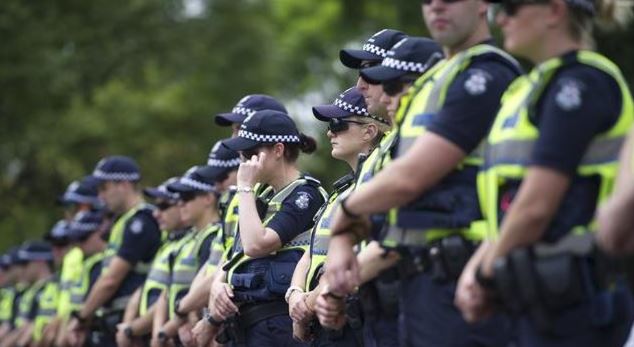
We have long advocated for the use of Water Cannons for crowd control, but there continues to be reluctance both within the force and outside; however, most of the criticism from outside seems to come from those in the community who likely promote and drive unlawful behaviour in demonstrations.
We strongly support the notion of people’s right to peacefully demonstrate in public places for whatever legal cause motivates them; however, we are equally opposed to violent or destructive behaviour that disrupts the rest of the community from going about their lives.
What is often not discussed is the large number of police needed to manage violent or disruptive demonstrations. The impacts are not only on the people directly affected in the vicinity of the rally, but also on the broader community, where police are drawn away from the protection services they provide.
Crime and other community disorders do not stop because the local police are drawn away for these other duties
The effectiveness of policing and their ability to maintain law and order are directly proportional to the number of Police deployed as well as their deployment strategies.
The first major step is to convince the Government to introduce a permit system similar to the systems introduced in other States. At least that way, the line can be drawn to minimise the impact on other citizens and remove the grey area of legal or illegal demonstrations. A legal demonstration with parameters of a permit reduces the likelihood of the rally getting out of hand and becoming an unlawful gathering.
With the lack of Police, the provision of an effective alternative that can dramatically reduce the demand on police numbers to deal with these matters is a sensible and, we would have thought, urgent issue.
The use of Water Cannons should not be contentious, as the benefits far outweigh the negatives. The community is sick of non-decisive actions by police, particularly when they engage in running street battles, evident during COVID.
The most significant effect that Water Cannons can have is one of prevention, a key component of effective policing.
The main points are,
Purpose and Tactical Value
Non-lethal deterrent: Water cannons offer a forceful but non-lethal method of dispersing crowds when unrest escalates beyond verbal negotiation or breach of physical barriers.
Area-wide impact: Unlike batons, pepper spray or other alleged non-lethal devices, Water Cannons can affect a broad zone, reducing the need for close-quarters confrontation that may provoke further violence.
Equipment-based control: By utilising mechanised dispersal, law enforcement can minimise direct physical engagement, limiting the potential for personal injury to both Police and protesters.
Safety and Risk Mitigation
Lower risk than alternatives. When appropriately calibrated, water cannons pose fewer long-term health risks than chemical agents like tear gas, rubber bullets or other alleged non-lethal equipment.
Controlled escalation: They offer a step between passive observation and full riot gear deployment, aligning with principles of measured response and proportionality.
Visibility and accountability: The use of water is visible and recorded, which promotes transparency. Water cannons are used openly and can be appropriately managed.
Legal and Ethics
Compliance with use-of-force guidelines: When deployed with clear protocols and oversight, water cannons can comply with international standards on crowd management.
Supports lawful assembly while responding to violence:
Their use can be strategically restricted to situations where protest becomes violent or dangerously obstructive, thereby preserving the rights of peaceful demonstrators while curbing escalation.
Other Considerations
Public safety alignment: In urban settings prone to high-density gatherings, water cannons offer scalable, crowd-reshaping options that uphold infrastructure integrity and prevent stampedes.
Deterrent psychology: The visual and auditory presence of water cannons alone may dissuade violence without active deployment, serving as a psychological buffer.
The issue, in part, is the overall cost of this equipment. However, the savings on police costs alone would quickly outweigh the purchase cost of a water cannon.
It is time for action, not the inaction we have experienced for years and the hidden costs the community endures from lawless behaviour. It is not only the inconvenience, but also the danger of out-of-control demonstrations, that must be reduced.
The CAA calls upon the Government to provide the Victoria Police with a water cannon immediately. To do so makes operational and economic sense.
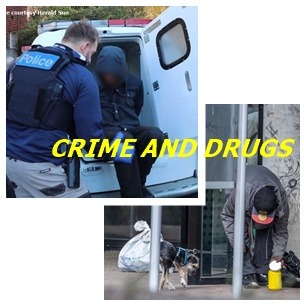
Depending on who you’re speaking to, the responsibility for managing drugs and crime in our community varies. While the issue should be clear, we can only assume that politicians, departmental mandarins, and executives in affected authorities are more interested in their own biases and statistics than in addressing the problems the community faces, with the dangers intrinsic in their lives.
Many in authority have a straightforward, divisive mantra: crime is a Law-and-Order issue, illicit drugs are a health issue. While that is true, it is a matter open for interpretation, and it shouldn’t be. At first glance, this seems unambiguous, but it is quite misleading. While the effects of illicit drugs on individuals are indeed a health matter, until the drugs are ingested, it remains a Law-and-Order issue.
Additionally, the act of ingestion is criminal, as are most activities leading up to it. The promotion of the drug issue as a health matter is a manipulation of reality by the pro-drug lobby, who are relentless in their quest to decriminalise the use of illicit drugs. The drug apologists are a clandestine group not easily identified until they start to pursue their agenda. It always concerns us that the enthusiasm and relentless wielding of influence by these people only serve the criminal cartels.
Their main aim is to legalise drugs; they then develop questionable legal activities off the back of decriminalisation.
The most significant concern is that these apologists are promoting the normalisation of the drug scourge, which leaves and multiplies the number, inflicting terrible scars on people in the community from which many will never recover. It is not just the users, but their families and the community at large who are ultimately the victims.
The ignorance of apologists who appear to live in a utopian world where legalising drug use will somehow be beneficial for addicts and users, and will somehow reduce or remove crime, is problematic. Aside from street-level crime, which will persist as addicts and users have built a way of life that legislation won’t change, why work when they can survive stealing from shops? However, the crime cartels will very quickly adjust and compete directly to ensure their river of gold keeps flowing.
What is rarely discussed or acknowledged is that drug users, whether addicted or not, are often hooked on the lifestyle itself, which they find thrilling and a place where they feel they belong. They have no responsibilities other than scoring drugs and, of course, funding these pursuits through crime, supplementing their welfare benefits, a consequence of which is another impact on society that is rarely discussed.
With this situation, the real issue remains unresolved.
We would strongly argue that intervention at an early age is the most effective way to make progress on reducing this problem, as prevention is the only cure, given that all other efforts to date have failed.
And on this issue, the authorities dodge and weave with feeble excuses.
Canada, which is arguably the leader in addressing the combined problem, has now concentrated on four key behavioural issues and has developed programs to teach their children as part of their school curriculum: anxiety sensitivity, sensation seeking, impulsivity, and hopelessness management skills.
These traits go beyond the either-or approach to drugs or crime, focusing on characteristics that a positive identity can help young people develop in their formative years, thereby reducing the likelihood of them seeking to negatively exploit any of these traits. The key point is that the main aim of reducing drug use and crime is never explicitly mentioned. Instead, the focus is on traits that could have an adverse influence on a young person.
The research on the effectiveness of this approach is very encouraging.
This approach, alongside or combined with ‘Resilience Training’, represents the way forward to achieving meaningful and measurable results.
What is unfortunate is the lack of leadership in advancing this approach.
While leaders argue over whose responsibility it is, it echoes the old proverb about Nero fiddling while Rome burns.
A legitimate question is what about those already caught in the cycle of crime and drug use? Our view is that current programs for these individuals should continue only if they reduce further drug use. Shifting the focus to prevention is the only sensible way forward.
Those who argue in favour of excusing existing addicts need to remember that the vast majority are in their predicament by choice, and therefore should accept responsibility for their situation.
We will publish more details of this new Canadian approach in upcoming articles. “Drugs and Crime.”
The Victorian Government’s decision not to test drivers for cocaine or heroin has sparked significant public concern and criticism, as reported in the Herald Sun on July 11, 2025.
The move comes despite rising community awareness and concern about drug-impaired driving, especially involving substances like cocaine.
The government has defended its stance by citing technical limitations in current roadside drug testing technology, whatever that means. These technical problems apparently do not exist or were overcome in other States that undertake the testing, which makes it sound suspiciously like a cop out.
Unlike cannabis, methamphetamine, and MDMA, which are detectable with existing saliva tests, cocaine and heroin require more complex and costly saliva testing. While this testing is commonplace in other States, Victoria remains the outlier.
Officials argue that expanding the testing regime would require substantial investment and legislative changes, which they claim are not currently feasible.
Perhaps the data they are relying on has a glaring anomaly. If they are not testing drivers involved in road crashes or randomly on drivers using our roads, then how do they know the problem doesn’t exist? Have they looked at the experience of other States?
An experienced Police Officer was quoted in the article as saying, “You’ve basically got to crash the car.” That member said the use of the drug was booming, as he was reminded on a recent night out at a licensed venue. “There were people snorting cocaine in a toilet cubicle next to me,” he said.
The lack of willingness to test for cocaine may well be motivated because that drug is the go-to choice for the fashionable elites, and of course, you cannot get busted driving home, as it is common knowledge that police can’t test for it.
Furthermore, the same non-testing regime exists for Heroin, and we have the ludicrous situation where a government-sponsored Heroin injecting facility in Richmond attracts addicts from all over Melbourne, and many of them drive to the facility.
What is alarming is that they return to their vehicle after shooting up in the facility and drive away. Police are ill-equipped to deal with this issue.
Without the ability to test those drivers, the risk to the community is unacceptable.
Critics, including road safety advocates and opposition politicians, assert that this decision weakens efforts to cut drug-related accidents and sends the wrong message about enforcement priorities. They highlight data showing an increase in cocaine use, especially among younger groups, and call for urgent updates to testing protocols to keep up with changing drug trends.
This refusal to facilitate testing of drivers for Cocaine and Heroin is another example of the Government being blind to the unintended consequences.
The recent surge in youth crime—up 18% according to the Crime Statistics Agency (CSA)—has sparked urgent questions about the role of our education system in shaping student behaviour. While many factors contribute to this troubling trend, one that deserves closer scrutiny is the practice of “off-the-books” school suspensions. A Flawed Disciplinary Approach
As reported by The Age in the article “Off-the-books school suspensions fuelling Melbourne’s youth crime crisis”, some schools are informally suspending students, sending them home without officially recording the action. This practice not only lacks transparency but also fails to address the root causes of behavioural issues.
By removing students from the classroom without formal accountability or support, educators may unintentionally reinforce negative behaviour. Rather than engaging with the student to resolve underlying issues, this approach can feel like a reward—extra time off—for misconduct, which spawns more misbehaviour, not less..
Anecdotal Concerns and Broader Implications
There have been reports of students being suspended for controversial or misunderstood behaviour, such as expressing personal beliefs or reacting to peers in unconventional ways. While these anecdotes may not represent the norm, they underscore the importance of having consistent, fair, and well-communicated disciplinary policies.
The broader concern is that informal suspensions can lead to increased disengagement from school, leaving students unsupervised and vulnerable to negative influences, including crime and substance abuse.
The Super School Dilemma
Another structural issue exacerbating the problem is the rise of “Super Schools”—large campuses that house thousands of students. While these institutions may offer economies of scale, they also present significant challenges in maintaining discipline and fostering a sense of a school community. The social impact of these schools must be revisited to measure the impact since their inception as they may be one of the main contributors to juvenile crime.
In such environments, students can feel anonymous and disconnected. Educators, overwhelmed by the sheer volume of students, may resort to quick fixes, such as informal suspensions, rather than investing time in restorative practices.
A Model for Success
Not all schools are struggling. Rosebud High, a relatively small institution, has reportedly tackled these issues head-on with impressive results. Their success suggests that smaller school communities may be better equipped to build strong relationships, enforce consistent discipline, and support student well-being.
A Call for Reform
To address these challenges, several steps should be considered:
Transparency and Accountability: All disciplinary actions should be formally recorded and reviewed to ensure fairness and effectiveness.
Professional Development: Educators need ongoing training in behaviour management, conflict resolution, and trauma-informed practices.
School Size and Structure: Policymakers should reconsider the Super School model and explore the benefits of smaller, community-focused schools.
4. Police in Schools Program (PSIP): Reintroducing this initiative would provide valuable support. Police officers working alongside educators can help deliver life skills programs, mediate conflicts, and prevent crime before it starts. This is not the current School Engagement Model, masquerading as a Police In Schools Program, which is missing many of its important elements. and has no record of effectiveness.
Over 6,000 crimes occurred in schools in 2024 alone. This figure does not include incidents involving students outside school grounds. The need for proactive intervention is urgent.
Conclusion
The current disciplinary practices in some schools are not only ineffective but potentially harmful. By prioritising transparency, investing in educator training, rethinking school structures, and reintroducing proven programs like PSIP, we can begin to reverse the trend of youth disengagement and crime.
If the education bureaucracy cannot, or does not lead this change. In that case, it will fall to the Police to step in and exercise leadership to support our schools in creating safer, more supportive learning environments.
Also acting as a Crime Prevention initiative, results will be very impressive in a relatively short period, which was the experience of the Police, who worked on the early version of the Police in School Program.
The document outlines the Community Advocacy Alliance’s strategic plan for improving service delivery and addressing law enforcement issues within Victoria Police by 2025.
The Community Advocacy Alliance (CAA) emphasises the need for improved leadership and accountability within Victoria Police to restore public trust and enhance service delivery. The current structure is criticised for being bloated and ineffective, with senior officers often avoiding accountability for their actions.
The CAA has submitted multiple plans since 2018 to address law and order issues in Victoria.
Senior police officers have been allowed to evade accountability despite evidence of misconduct.
The organisation suffers from poor command decision-making and a culture of disrespect for the law.
A significant reduction in executive ranks (30-40%) is proposed to streamline operations and improve accountability.
Decision-making should occur at the lowest possible level to enhance responsiveness and effectiveness.
Service Delivery as a Priority
Service delivery has been identified as the most urgent issue facing Victoria Police, with a significant deficit in understanding and execution over the past decade. The CAA argues that efficiency should not overshadow the importance of effective service delivery.
Service delivery has deteriorated, with little evidence of improvement in the last ten years.
Senior officers often confuse service efficiency with service delivery, leading to ineffective strategies.
Initiatives to improve efficiency have often compromised service delivery, creating a “them and us” mentality.
The effectiveness of policing is directly related to its relationship with the community it serves.
Measuring and Improving Service Delivery
The CAA proposes several strategies to measure and enhance service delivery, emphasising the need for modern, qualitative measurement techniques. Feedback from the community is crucial for understanding the effectiveness of services.
Implement modern qualitative measuring techniques for service delivery.
Establish a feedback line for the public to report their experiences with police services.
Set benchmarks for response times to ensure accountability in dispatch and arrival.
Extend the emergency activity map to include police incidents for better community awareness.
Introduce a protocol for phone contact to ensure professionalism and accountability.
Structural Reforms for Effective Policing
The CAA recommends significant structural reforms within the Victoria Police to address inefficiencies and enhance service delivery. This includes reducing the number of executive positions and reintroducing intermediate ranks.
The current executive structure is bloated, with a 16% increase in Deputy Commissioners since 2019.
A reduction of 30-40% in executive ranks is recommended to improve decision-making and accountability.
Reintroducing ranks like Chief Superintendent and Chief Inspector can enhance local decision-making.
The promotion process should be competency-based to eliminate nepotism and improve morale.
Cultural Change and Community Engagement
A positive organisational culture is essential for effective policing, and the CAA highlights the need for cultural reforms to rebuild trust and respect within the community. Engaging with retired members and honouring fallen officers can strengthen this culture.
The culture of Victoria Police has declined, leading to issues like media leaks and mistrust.
On-the-spot discipline notices can address minor infractions and improve accountability.
Engaging retired members can provide valuable insights and foster respect within the organisation.
Building a culture of respect and professionalism starts with the police uniform and leadership example.
Addressing Mental Health and Well-being
The CAA emphasises the importance of addressing mental health issues within the police force, particularly regarding the impact of disciplinary actions and investigations on officers’ well-being.
Research is needed to explore the correlation between investigation techniques and PTSD among officers.
Every member subject to disciplinary action should have an independent advocate to ensure fair treatment.
The culture of respect and support must be reinforced to prevent adverse mental health outcomes for officers.
Recruitment and Selection Process Improvements
The recruitment process for the Victoria Police must prioritise both mental and physical robustness to ensure that candidates can handle the demands of policing. A multi-level probation system and careful assessment of applicants’ suitability are essential to maintain the integrity and effectiveness of the force.
Recruits should be assessed for mental and physical fitness to perform police duties.
A multi-level probation period of four years is proposed to ensure ongoing evaluation of recruits.
Non-performing members should be offered transfers to alternative roles rather than remaining in policing.
Emphasis on character and resilience in candidates to prevent PTSD and ensure operational readiness.
Enhancing Foot Patrol Effectiveness
Foot patrols are a critical aspect of community policing that requires improved training and situational awareness among officers. The proper execution of foot patrols can enhance public safety and foster better community relations.
Officers should patrol independently to maintain situational awareness and reduce risks.
Engaging with the community through eye contact and acknowledgment builds trust and confidence.
Current foot patrol practices often lack focus, with officers distracted by conversations or mobile devices.
Leveraging Technology for Policing
The integration of advanced technology, such as AI and GPS, can significantly enhance policing efficiency and effectiveness. However, it is crucial to implement these technologies thoughtfully to avoid potential risks.
AI-driven facial recognition and CCTV can provide real-time information on suspects.
The G-Tag initiative aims to reduce car theft and enhance community safety by allowing police to disable stolen vehicles.
GPS technology should be managed to prevent misuse by criminals.
Mobile technology must be standardised for all officers to improve communication and documentation.
Management and Operational Efficiency
Improving management practices within Victoria Police is essential for enhancing operational efficiency and accountability. A focus on performance metrics and resource allocation can lead to better service delivery.
Backfill police stations to authorized personnel levels to ensure adequate staffing.
Downgrade the influence of statistics in decision-making, allowing commanders to focus on operational needs.
Implement bi-weekly progress reports for commanders to track performance against KPIs.
Establish a Reserve Unit to manage underperforming members and maintain operational readiness.
Youth Engagement and Community Programs
Strengthening youth engagement initiatives is vital for fostering positive relationships between police and young people. Programs like “Police in Schools” can have a significant impact on youth behaviour and community safety.
Introduce a dedicated Youth Command to oversee youth-related initiatives and strategies.
Re-establish the “Police in Schools” program to build trust and educate children about law enforcement.
Support existing programs, such as Blue Light Victoria, and explore the establishment of Police Citizens Youth Clubs.
Develop partnerships with community organisations to enhance youth engagement efforts.
Transparency and Media Relations
Improving transparency and media relations is crucial for rebuilding public trust in Victoria Police. A strategic approach to media management can enhance communication and community confidence.
Appoint a high-ranking officer with operational experience as Media Commander to oversee information dissemination.
Ensure operational members can speak to the media without fear of criticism.
Address media leaks by focusing on the underlying issues rather than punishing whistleblowers.
Addressing Drug Issues with a New Approach
A shift from harm minimisation to a four-pillar approach (Health, Law Enforcement, Education, Rehabilitation) is necessary to address drug-related issues in society effectively. This comprehensive strategy aims to reduce drug use and its associated harms.
Implement health orders allowing police to take individuals affected by drugs into care for treatment.
Establish secure facilities for drug treatment and triage to address addiction issues.
Focus on street-level drug dealers and users rather than high-profile offenders to disrupt the drug trade.
Legal System Reforms for Victims
Reforming the legal system to prioritise victims’ rights and streamline processes is crucial for enhancing justice outcomes. Abolishing the committal process and enhancing victim support can lead to a more efficient legal framework.
Abolish the committal for the trial process to reduce delays and trauma for victims.
Provide legal representation for victims of major crimes to advocate for their rights and interests.
Implement enforceable compensation orders for victims to ensure accountability from offenders.
Construct purpose-built facilities for victims to give evidence remotely, enhancing their safety and comfort.
Community Engagement and Policing Strategies
Effective community engagement is crucial for fostering trust and enhancing perceptions of police effectiveness. Strategies should focus on improving community interaction and local ownership of policing efforts.
Realign crime trend analysis to measure community attitudes towards police effectiveness.
Expand the Neighbourhood Watch program to foster community involvement in crime prevention.
Review patrol systems to allow officers more time for direct community interaction.
Dispense with the “Super Station” concept to refocus on local community policing.
Mental Health Support for Police Officers
Enhancing mental health support for police officers is crucial for their well-being and operational effectiveness. Continued efforts are needed to address the mental health challenges faced by serving and retired members.
Maintain and improve programs like The Hub to support the mental health of officers.
Legislate indemnity for officers acting in good faith to encourage proactive policing.
Reintroduce the practice of gazetting positions to stabilise the organisation and improve morale.
Retirement and Reservist Programs for Officers
Developing a reservist program for retired officers can provide valuable support to current members while maintaining their sense of identity and purpose. This initiative can enhance community policing efforts and provide mentorship.
Allow retired officers to retain their police identity and serve in a reserve capacity.
Implement a system to recognise the service and contributions of retiring officers.
Utilise retired officers for non-frontline duties to relieve operational pressures on current members.
FOR THE FULL VERSION OF PLAN 100.4, click on the link below:
This sonnet may have been written towards the end of the medieval period, but it has real relevance today as we herald the arrival of our new Chief Commissioner, Mike Bush.
His challenges can only be described as monumental, and although there is no doubt about his ability, as demonstrated by his role as Chef Commissioner of New Zealand, the problems entrenched in the Victoria Police will present substantial challenges.
From what we can determine, his character is beyond question, but already the naysayers are making comments couched as negative.
The comments relate to the influence that he may or may not have had from Jacinda Ardern, the then Prime Minister of New Zealand. Jacinta was seen as the queen of ‘woke’.
What, however, cannot be challenged is the success that Bush had in dramatically reducing the crime rates of the Shaky Isles, which highlights the irrelevance of being judged as woke.
The only remote relevance would be if valuable police resources were misdirected to social niceties, but that has happened regularly over the last decade as one chief after another seemed to revel in police resources used in this way. They were leaders with a real ‘Tin Ear’ who failed to understand the community angst about the lack of service, the niceties project.
Nobody can forget the huge Police contingent marching at the Gay Pride March in Melbourne, except for last year when they were not welcomed.
It is a poor look when a large contingent of Police, whether on duty or not, can join in civil celebrations when the public can’t get police to deal with their issues. Any wonder the public confidence in Policing is at an all-time low.
We commend the views of Bush on Proactive Policing and the importance of prevention. The latter being totally essential and the key to reducing the out-of-control crime Rate.
We are confident that with good leadership, this ship, VicPol, can be turned around, as we are constantly heartened by the work of competent and dedicated members of the Force.
It is, however, a major task to rid the Force of the lazy malcontents who drag the organisation down, and we are hopeful that the new CCP will beat the bush and see the lazy miscontent birds taken, out of the organisation.
The damage these individuals wreak is substantial, and their usually loud protestations are used to hide their incompetence; the force is best rid of them.
In welcoming the new Chief, the CAA has revisited the Plan 100 series and updated the Plan to 100.4.
The Plan is contemporary, and we hope it will be of use to the new Chief and will be published within a few days.
“Stolen vehicles were involved in 763 collisions in the last 12 months”
… yes, crime is out of control, and charging the highest number of offenders in history is not stemming the tide. A new way is needed.
The G-Tag can,
Save Lives- De-weaponise the motor car, stolen or not.
Rapidly locate victims-
Any criminality involving vehicle use can be tracked in real time, and vehicles can be disabled and recovered.
Reduce crime – By increasing the ability for perpetrators to be caught and the stolen vehicle disabled, they are rendered useless to crooks before they commit the crime.
Cost positive – Recover stolen vehicles before the perpetrators trash them.
Fine recovery – Immobilise fine dodgers’ vehicles until payment or arrangements are made.
World First- There is no evidence of any attempts elsewhere to achieve a similar initiative and the outcomes it offers.
Make Victoria a leader in an innovative State.
Introduction
For many people, their car is their most important and valued asset, and to have it stolen is devastating. Unfortunately, motor cars, whether stolen or not, are also commonly associated with crimes including home invasioan, hit-run, robbery, drugs, rape, murder, domestic violence and now Terrorism.
The relatively new experience of motor vehicles being used as a weapon either against Police or as a weapon of mass destruction, terror-related or not, is a recent phenomenon. However, the introduction of this new level of violence in the West has brought a new urgency to the G-Tag.
When fully implemented, the G-Tag is the only stratagem that will stop vehicles from being used as weapons.
The Bourke Street massacre should be justification alone for introducing the G-Tag. Unless you live under a rock, we know that it will only be a matter of time before we experience the devastation of truck or car bombs, as is all too common elsewhere in the world.
The multiple killings, countless injuries, millions of dollars of theft and massive damage are caused because current legislation is focused exclusively on the driver, not the vehicle. Until that changes, the cars available to drivers will continue to wreak havoc.
With over 5 million vehicles registered in Victoria in 2023, vehicles are a vast and valuable state asset that needs to be protected.
The traditional view is that the risks posed by the motor car should be managed by legislation focusing on the driver. Unfortunately, the success of this approach is problematic at best, with minimal success.
‘The best way to reduce any crime is to increase in the perpetrator’s mind the likelihood that they will get caught – penalties in themselves have limited impact because the perpetrator does not commit the act to get caught and never expects to get caught.
When the probability of being caught fails to dissuade, we need the ability to intervene to minimise the impact of the behaviour.
Authorities (Police) should be able to safely slow down or stop particular vehicles in the interests of public safety and/or lawenforcement.
Without diminishing the current Law and Order response, there is a need to think through and discuss alternatives – that alternative is the vehicle.
GPS Tracking
GPS tracking is widely used in the community; the devices record and re-transmit their location to a satellite-based global positioning system. These re-transmitted signals allow the identification of the vehicle, its location, and its route. It also communicates the vehicle’s speed.
That route can be recorded for days or weeks and can identify which vehicle was driven in a particular location at a previous time. This ability will allow the Police to identify the car used in a crime. As important as the current location of the vehicle is, the historical routes the car has taken, perhaps, has more investigative and evidentiary value.
An example, and there are many, would be a drive-by shooting in the early hours. Witnesses can usually supply the time of the shots; with a G-Tag, the Police could identify which vehicles were driven in that location at the time given.
Central to this proposal will be fitting tracking devices (G Tags) to every vehicle in the Victorian fleet.
Although this forms part of the first stage of this proposal, it needs to be seen through the prism of advantages to the community, safety and Crime Prevention/Minimisation strategy, albeit that an economic case may be produced for the system raising alternative revenue streams for the Government, a user pays system for registration. The latter is the most equitable method of raising revenue.
Setting the case for part one of this proposal – the G-Tag
The advantages of developing a GPS locating system, or G-Tag, for the entire Victorian road fleet will be no small feat; however, the return will be enormous.
Theft of Motor vehicles and machinery –
With a G-Tag, stolen vehicles can be located quickly; the focus is on the property, not the perpetrator, which will serendipitously lead to rapidly detecting perpetrators. This will lead to reduced costs for insurers and reduced user premiums.
A G-Tag will assist,
Community safety –
Reducing the demand for Police time and assist in arresting perpetrators.
G-Tags will influence the perpetrators, knowing the chances of getting caught have escalated and may dissuade many would-be offenders. What the statistics do not show is the hardship caused and the danger posed to the community by vehicle theft..
Victims of Domestic violence. Using postcodes to quarantine victims, the G-Tag will enable Police to intervene when postcode boundaries are crossed by perpetrators breaching a Family Violence Order, alerting Police to reduce the risk to the victim.
Missing Persons-. G-Tags can locate vehicles of missing persons before self-harm. Suicidal victims are generally found after their demise when the family have contacted the Police over concerns. Still, Police driving around searching every nook and cranny has historically been proven ineffective and usually does not end in locating the individual before it is too late.
G-Tags will be able to save lives by providing a chance to get professional help to desperate people.
Rural application- The application in Rural and remote Victoria is very sound; consider being able to locate a tractor on a large remote property or a driver overdue to destinations, particularly in times of natural disaster. This will also reduce the number of unnecessary searches.
The applications of G-Tag technology can be extended to include watercraft, recreational vehicles, and machinery.
Technology instead of human resources. The thousands of hours expended by emergency services, particularly the Police, can be dramatically reduced in multiple circumstances by the G-Tag Policing will become more efficient and effective, reducing pressure on valuable Police resources.
Criminal activity –
Terrorism Investigations would have the advantage of monitoring vehicles using the G-Tags without intrusion to better understand the risks posed by suspects.
The use of vehicles as a weapon in Terrorism is commonplace in the current war zones. It will likely appear in Australia at some stage, and being prepared will save lives.
Criminal Behaviour –There is a current spate of home invasions where perpetrators physically confront victims in their homes by forced entry to gain access to keys to steal high-end motor vehicles. This type of activity (home invasion) is on the rise; there is a substantial risk of serious harm, if not death, to a victim. The ability to track these vehicles by G-Tag and immobilise them is desirable to the victims and the Police.
Illicit Drugs must be transported in vehicles at some stage. Access to G-Tag technology will provide invaluable assistance in managing the importation and trafficking of drugs.
Hoon drivers can be monitored and removed from our roads. Known hoons’ vehicles can be tagged within the G-Tag system, and an alarm indicating when, like tagged, vehicles are identified by the system to be congregating can allow Police to intervene before the dangers escalate.
Police Pursuits – This technology virtually eliminates the need for pursuits, and disabling the car by G-Tag reduces risk to the Community, the Police and even the offender.
Emergency vehicles can easily and reliably be located and managed during civil emergencies. For example, incident managers could recognise the precise locations of fire appliances during bushfire outbreaks to direct them to where they are most needed or away from impending danger.
Arial surveillance – Currently undertaken by the Police Airwing, there are limitations with availability, cost and response times. The G-Tag will not replace the need for aerial surveillance as a Policing tool. Still, the G-Tag will significantly enhance the effectiveness of the Air Wing, reducing operating costs.
Legal implications – The data recorded in the G-Tag system has evidentiary value, as do E-Tags and Security Cameras. The potential for the improved data available from G-Tags will provide data of substantial evidentiary value for Prosecution and Defence in equal benefit, further improving our judicial system.
Revenue streams
The advantage of this system is that it would allow the Government to use this mechanism to charge registrations on a user-pay basis, which is the most equitable mechanism. In addition, implementing part two of this proposal would eliminate the need for enforcement of recalcitrant individuals by placing the vehicle in ‘limp home’ mode until the financial liabilities are met.
Setting the stage for Part 2 of this proposal using G-Tag.
The first part of this proposal, using converted E-Tag, will only reach a percentage of the Victorian fleet unless a case can be presented for voluntary take-up of G-Tags based on the E-Tag system. However, the advantage of converting E-Tags to G-Tags is that it will ensure a rapid introduction to the program.
Part 2 introduces more sophisticated G-Tags (currently available technology) that are hard-wired into the vehicle’s electronics and fitted where they cannot be easily removed or interfered with. This technology adds a new layer where the vehicle’s electronics can be activated remotely to put it into a limp-home mode (reducing its top speed to 80 KPH) before activating the engine immobiliser to halt the vehicle. The only limitations will be that certain vehicles do not have the limp home mode and would be stopped at a safe place or shut down when stationary.
The upgraded G-Tags must be fitted to all new vehicles, pre-delivery (amending Vehicle Standards)and second-hand vehicles, as part of the roadworthy process. In addition, a moratorium would be required to set a reasonable time for all cars to comply, similar to other safety initiatives, including the introduction of seat belts.
Stage 2 will allow the Police to intervene to stop the commission or continuance of a crime, which is the primary role of the Police.
Reestablishing the vehicle’s functionality when recovered or when it is no longer a threat is a technical issue that should not prove insurmountable. If it can be switched off, it can be switched back on; it is just a matter of protocols.
The cost debate
There is a cost, but as this is an innovation, the technology development costs of G-Tag would be well offset by marketing the initiative interstate and overseas. In addition, a fee for service arrangement, assistance with setup, and a fee for intellectual property would generate substantial income.
Part of the development costs could be covered by the insurance industry and TAC, both of which stand to gain considerably. In addition, there would be nominal cost recovery from the users when installing a device into the existing fleet – manufacturers would be required to fit the device pre-delivery on all new vehicles.
An offset to the toll operator’s contribution (modifying E-Tags)will be the income generated when tracking devices are fitted to the Victorian fleet to include the E-Tag function in the G-Tag; effectively, the E-Tag would be redundant.
Car owners will have to bear some costs, which will be subsidised for welfare recipients, but the price should not be prohibitive, below $200.
The proposal to introduce a pay-as-you-use system for registration, third-party and comprehensive insurance, and fuel excise, which are currently avoided by the increased uptake of electric vehicles, will contribute to the setup and recurring costs of the system.
The system could, therefore, potentially protect innocent victims from financial hardship due to vehicle damage.
The initiative could be made cost-positive.
Technology
Anybody who owns a smartphone or has a Satellite navigation device is acutely aware of the power and application of technology.
Currently advertised on the internet for $35, it is a tracking device that can be attached to a vehicle and linked to a smartphone. The technology exists, is small, and relatively cheap.
The technology for a fully operating G-Tag system is currently available.
The Privacy Issue,
In the 1980s, a very vocal minority saw themselves as the keepers of our privacy. They objected to installing the eight CCTV cameras for a Commonwealth Heads of Government Meeting (CHOGM) in Melbourne many years ago. They vocalised the prying eyes and the abuse that would occur should the cameras not be removed immediately after the conference was finished- “It’s a Police State” was the group’s mantra.
Their plaintive cries are now somewhat humorous when we look around at the number of cameras that watch us daily. Still, there is no community concern as it has been demonstrated that they serve the greater good, and law-abiding citizens do not care if they are watched. Indeed, governments actively encourage more expansive use of CCTV in public places, and the take-up of private CCTV systems – including those monitoring public spaces – is impressive, but the information they gather is not regulated and open to abuse, yet we still use them widely.
This initiative has a distinct advantage over CCTV cameras. The Cameras have a deterrent effect and assist with identifying perpetrators, but they cannot stop or prevent the continuation of a crime – the G-Tag can.
Anybody worried about the movement of their vehicle being monitored should realise there are over 5 million vehicles in Victoria, so nobody would have the time, the resources or the interest to monitor every car – it will be enough just monitoring vehicles that are of particular interest. Law-abiding citizens just hide in the crowd.
Furthermore, although not common knowledge, most high-end vehicles sold in recent years already have this technology. They are part of the aftermarket service that the manufacturers provide as a mechanism to update electronics and identify the need for roadside assistance.
Effectively, a reasonable percentage of the population drives around oblivious that their movements are being or can be monitored by a third party.
Impact on Judicial processes.
Implementing this system will provide the Judiciary with an alternative to sentencing offenders (by regulating vehicle use), particularly for the less serious traffic infringements and criminal activity in some cases.
Currently, lives are ruined financially and otherwise by fines and driving restrictions that cause offenders to lose employment and the capacity to pay fines.
Unintended double jeopardy can ruin many young people’s lives. Correcting bad behaviour by bad outcomes lessens, and, in certain circumstances, destroys the chance of future compliance. Instead, in desperation, it can lead, particularly young people, towards crime and drugs to escape what they see as a hopeless situation from which they see no escape.
The G-Tag system can be used to manage the use of a vehicle on certain roads and/or times to allow Offenders to continue in employment, enabling them to pay the fines but still having their mobility curtailed to serve as a punishment.
We are not suggesting this facility become run-of-the-mill, but for cases where a driver may exceed .05 after a reading shows residual alcohol or drugs in the low range. Or where breaches of Licence offences and registration matters can be managed without ruining lives.
The increase in penalty recovery would justify offenders retaining employment and avoid forcing people onto welfare and damaging the state’s productivity.
System Security
There will need to be legislation that includes safeguards for privacy and safeguards against tampering with the system, either the physical equipment or any signal emitted.
Conclusion
The G-Tag is a proactive and novel proposal, but many far more radical ideas that once seemed farfetched are now accepted as the mainstream norm, the World Wide Web, television and the telephone!
We now accept security cameras as a way of life and the dreaded speed cameras as an acceptable inconvenience for the greater good.
It will take leadership and innovative thought to implement this proposal; however, the advantages to the community make it a worthwhile project.
This is an innovation that will save lives commensurate with its implementation.
Minimise Police pursuits by number and duration.
Enable the arrest of mobile criminals safely.
Monitor criminal activity.
Determine the identity of perpetrators when the crime was not witnessed, but a vehicle was involved (historical G-Tag data of the scene)
Tag domestic violence perpetrators and protect victims with a virtual shield.
Reducing a criminal’s ability to use a vehicle in committing a crime.
Reducing criminals’ ability to burn stolen vehicles to hide DNA.
Locate missing people intent on self-harm.
Increase revenue through greater enforcement of civil compliance.
Locate and save people in natural disasters.
Reduce police resources in trying to locate missing persons.
An additional attraction of this technology is that it will allow a user-pays system to be developed instead of registration and other taxes as a reliable and equitable mechanism to tax road users.
Recommendation
The Victoria Police and the Government must establish a working party to prepare the business case for this proposal, including the fiscal imperatives that will make this proposal practical and cost-positive. Establish a G-Tag Authority to develop the technology and design the model for the ongoing management and operation of the system.
PETITION: Inquiry into Victorian Fisheries Authority workforce changes
ATTENTION: All law-abiding recreational anglers, sports fishing professionals, everyone connected with the seafood industry and anyone holding either a fisheries licence or permit!
Victoria’s immensely valuable fisheries are in grave danger of being fished out, poached and pillaged to extinction, following a Victorian Government decision to abandon its ecological sustainability regime and retreat from frontline enforcement of basic fisheries rules.
On 20 May 2025 (State Budget Day) the Victorian Fisheries Authority (VFA) announced it would sack 30 (44%) of the state’s 69 frontline Fisheries Officers: leaving just 39 uniformed officers to patrol Victoria’s 2,512-kilometre coastline, 10,000 square-kilometres of marine waters and 170,000 kilometres of inland water frontage along 85,000 kilometres of rivers and creeks.
Under an organisational restructure, the authority has also stopped those remaining officers from doing marine safety inspections despite their previous involvement in this work being linked to a 52% reduction in boat-related drownings over the 10 years to 2023.
The authority remains the lead agency for the prevention of “illegal or antisocial behaviour” on Crown land river frontage camping sites, but inland officers will (at inevitable risk to their personal safety) be expected to undertake lone patrols (no longer working in pairs).
VFA also retains, for now, its designated role under the State Emergency Management Plan, but with an obviously reduced capacity for rescues and other marine or wildlife crises.
Even worse, these decisions were made without any risk assessment and in defiance of a previous petition signed by 21,789 concerned Victorians.
The significance and gravity of these matters, while still at the proposal stage, were explained in the Parliament of Victoria by shadow Scrutiny of Government minister Bev McArthur on 18 March:
The latest machinations in the Government’s so-called war on Machete crimes have become a bigger joke than ever, but nobody is laughing at this black comedy..
We haven’t said too much on this subject to date because we figured that there were enough smart people in the Government to work out belatedly that the Government response was ridiculously flawed and they would rectify it —no such luck.
The vast majority of Victorians are well aware of the folly of the current strategies, namely-
It’s not the machete that is the problem; it is the idiot carrying or waving it around.
Banning the sale will do nothing to stop the influx of weapons online.
We assume this is one is not covered by the legislation. At $14.37 plus free delivery, an absolute bargain for kids, it is already claimed that 1.5k of these weapons (Sorry, gardening tools) have already been sold.
The plan is that Machetes will no longer be available in retail stores. Still, they will be available online, where there is a high probability that weapons currently on the street were accessed that way anyway, defeating any ban, and retailers only need to change the weapon’s description and sell it as a tool.
The Government must recant their stance on this issue and take direct action against the perpetrators. This approach to law and order is as stupid as the other clanger, where the Police had to advertise in the newspaper before any effort to curb violent crime in public places like railway stations.
The idiocy of a police operation where search and seizure powers operate on one side of the street and not the other and the operation is only to occur at stated times allows perpetrators to cross the street or wait for the time to run out to revert to their criminal ways, is downright stupid and the Police are made to look foolish.
Effective laws are needed to empower the police to do their job.
Legislation to allow a Police member to stop and search anybody they believe, on reasonable grounds, to be carrying an edged implement capable of being used as a weapon without a lawful excuse is essential to avoid the alternative of perpetrators taking up carrying axes, swords and sythes.
The onus of the lawful excuse must rest with the defendant.
The ‘Public Place ‘ provision must not be included as the weapons are popping up too frequently in Domestic Violence incidents, and often that occurs not in a public place.
If the Government thinks the average kid who has a machete is going to surrender their status symbol and prized possession, they are less in touch with reality than we suspect. Moreover, to expect the ones that we would most like to see disarmed to go to a police station to surrender their weapon would be naive in the extreme. We doubt even a buy-back scheme would have more than very limited success.
Further, the judiciary is currently exacerbating the problem by failing to meet community expectations by granting bail to recidivist offenders.
Fishing is a sport that thousands of Victorians of all ages and all walks of life enjoy. Irrespective of the card your life is dealt, there has always been fishing as an escape, giving you solitude or companionship, whatever you want.
Apart from the basic enjoyment, there is always the challenge of catching that elusive fish to put on the dinner plate as a reward for effort.
However, these simple pleasures appear severely challenged if the Government gets its way.
While the social aspects are not directly at risk, the fish stocks are, and without the lure of a fish, the social elements wither.
As a cost-cutting exercise, the government’s decision to proceed severely reduces the enforcement capability of the Fisheries Department.
Many recreational and professional fishers remember how the lack of enforcement devastated fisheries that were stripped bare by unlawful fishing activities, sometimes by gangs, often created along ethnic lines to pillage our coast, Port Phillip Bay and some inland waters.
In times past, we nearly lost our crayfish industry through a lack of enforcement; more recently, the pillage of scallops devastated Port Phillip, which we understand has mainly recovered due to enforcement.
Public oyster rocks at Mallacoota were regularly stripped bare of oysters, although we don’t know if it has recovered. Organised gangs seemed to have been involved.
There are probably many more examples, including Inland fisheries.
Recreational and commercial fishers suffer because of the greed of a few.
Leading Senior Constable Roland Jones was presented with the Victoria Police Medal for courage last week, the highest medal for police bravery in Victoria. Over the years, it has only rarely been granted for exceptional courage, as with Leading Senior Constable Jones.
This award recognises his courage in arresting James Gargasoulas after he drove his car through the crowded streets of Melbourne, deliberately killing six and injuring twenty-seven people in Bourke Street on the 20th January 2017.
His citation reads in part.. ‘immediate and decisive action’ by Jones. Pity, the police executive didn’t act that way in this incident.
At significant personal risk, Jones effected the arrest of Gargasoulas and wrote himself into the annals of Police history as one of the force’s true heroes.
This is a great story, but there is a cruel twist within it.
You will note that this horrible event occurred in 2017, but he was not awarded his medal until 2025. The Citation accompanying the Medal was signed in 2021.
The Gargasoulas incident was one of the darkest chapters of incompetent leadership in Victoria Police’s history and was severely compounded by the treatment of Jones, post-event.
The whole incident evolved over the two days. Police knew for that period where Gargasoulas was at all times. Still, not only did the police not take any action against the perpetrator, but they monitored his bizarre behaviour, not intervening. This meant that Police communications covered the activity; however, there did not appear to be any intervention of the Police Command in this unfolding tragedy.
It was left to the troops, bereft of leadership and therefore coordination, critical components in responding to this type of incident.
After the mayhem of the incident with dead and dying victims scattered along Bourke Street, it was Leading Senior Constable Jones and his partner who put an end to this mayhem.
Not that they were directed, as there was no command and control, but they were purely exercising their initiative.
Their actions were pure bravery, whereas many other police, including command, dithered and procrastinated and in many ways, through their failures, were responsible for the death of six innocent Victorians and injury, some very severe and life-changing, to twenty-seven others.
Thirty-three victims were caused by police leadership’s incompetence.
The bravery award recently presented to Jones was unquestionably well deserved. However, the award took eight years to be presented, and without a reasonable and plausible explanation from VicPol, the delays can only be interpreted as malicious pettiness at the most senior levels.
That is a disgraceful way to treat Force heroes, and it may go some way to explain why morale in VicPol is so low, as reflected in the decline in community confidence.
Low Police morale correlates directly to the quality of service delivery.
Published in the Herald Sun on the 21st of May 2025, the shocking results of surveys of community confidence in Victoria Police have seen community confidence tank.
The Force target for community confidence is circa 80% but has been on a downward spiral in the last decade or so, with its current trajectory likely to break through the wrong side of 50%.
Unfortunately for Victorians, the community confidence measure directly correlates to the Force’s ineffectiveness.
Spin will not alter that dynamic.
All we have heard from the Force over the last decade is excuses, and blaming the Pandemic is front and center. Next, they will blame the victims.
There is no doubt that the performance of the police during the Pandemic has heightened the fall in community confidence, but that is entirely down to the seemingly lack of competency of the Force command, and this is what you get with arguably incompetent leadership, incapable of doing their job.
Making the Pandemic the whipping boy is disingenuous when the CAA provided VicPol with Plan 100.1 in 2018, two years before the Pandemic, highlighting many failures and weaknesses in force policy. The Pandemic then only exacerbated the issues identified by the CAA; it didn’t create them.
The content of Plan 100.1 was drafted from the combined expertise of former Police officers in the CAA, representing over 400 years of experience, a broad cross-section of the community from a variety of disciplines, including victims, providing a unique alliance for feedback and advice to the Force.
It would have been a substantial benefit to the Force and the State if the police leadership had taken more notice of the Plan, and they may not have ended up where we are today, struggling to achieve the support of half the State.
To understand how the Force could have saved the embarrassment of failure in community support, the 2018 CAA Plan makes for an interesting read. Plan 100.1 is available at:
Most disturbing is that the trend has no signs of abating this downward spiral of confidence, or when it will bottom out.
Unfortunately, many Senior Officers have been party to the failures and are still in executive positions, making it harder for the incoming Chief. He will no doubt want to put his stamp on the organisation. Still, he is likely to find resistance from those promoted under the old unaccountable system, where competence and performance were not considered valuable assets, but who your friends were above you was what counted, nepotism.
To achieve a turnaround, the Force must undertake a complete attitude change and approach the issues head-on, adopting a service delivery and victim-centric approach.
The challenge for the new Chief Commissioner is to implement a policy of accountability force-wide with clear Key Performance Indicators (KPI’s), not just indicators based on their popularity, for every member irrespective of rank, accompanied by non-negotiable consequences for performance failures.
If the consequences for poor performance are known and the targets are clear, there will be no room for grievance.
This will root out and expose nepotism and the stifling of competent members at every level.
Most of the current failures are caused by a lack of understanding of some fundamental principles around service delivery and service efficiency.
An antithesis of sound policing is a current paradigm in vogue, the functional relationship (or lack thereof) the Force has with victims.
A prime example is the case set out below, without the force releasing a statement to justify their anti-victim stance, in this matter that is severely aggravated because the victim also happens to be a retired Police member.
We can only hope for all Victorians, including retired police, that the new Chief Commissioner does not ‘BEAT AROUND THE BUSH!’ on addressing the priority of a victim-centric approach to policing.
On the ‘Current Affair’ program on the 9th of May, an alarming story on the demise of ADAM SOMTAG, a recently retired Policeman who had served this State for over 20 years, was aired.
Adam apparently intervened in an incident when an illegal graffiti artist was defacing a Council sign.
Adams’ instincts kicked in, and he even went to the trouble of filming the incident on his mobile and put the incident on local social media to identify the perpetrator.
His alleged error was not reporting the matter straight away. The delay in reporting was not motivated by any sinister reason but simply to help his former colleagues by handing them the identity of the perpetrator with the report of the damage. A ‘lay down Misere; in police parlance, translates to an open and shut case.
The upshot of this exercising of a civic duty sees Adam now facing a possible criminal charge for grabbing the shirt of the perpetrator as he confronted him.
The camera footage broadcast shows a very minor altercation instigated by the perpetrator. Adams’ actions seemed defensive rather than offensive and were more instinctive self-preservation rather than aggressive.
Victoria Police, for their part, have committed an embarrassing ‘faux pas’.
The Police force has allegedly targeted the former police member instead of the perpetrator.
Disrespecting former police members is far too common. It shows that many serving members within VicPol have no perception of the police conditioning values that retired members retain, the most notable one being their Oath of Office.
The Police Act stipulates that a Police member is bound by their oath of office while a serving member of Victoria Police. Once they retire and are no longer employed by Victoria Police, they are no longer bound by their oath of office.
Well, that is what the legislation says, but most former police officers have not denounced their oath; their part of the bargain. Retired former police officers do not, as a general rule, exercise or attempt to exercise their former authority; however, they report matters, and their previous experience makes them ideal for this task.
It is not only current police who disrespect their former colleagues,
it is rife amongst non-police contractors operating the communication systems, 000. We have had a number of reports of those operators dismissing the fact that a complaint is from a former member when it should add weight to the issue.
After being a police member for many years, an oath is a way of life, imbued in their soul that is reinforced by the community, or at least that part of the community that respect Police, and retired members are continually reminded in all sorts of community interactions that they were a member of the force. It is not uncommon, nor do retired members pursue it, but they are often introduced as former police members in many social and professional situations. Moreover, it is not uncommon for individuals to seek out ex-members for advice on Police related matters.
Retired police are respected more by the community than the Force, which is very sad given that the vast majority of retirees have served the community for long periods and are still and always will be proud of their Police service.
There is a misconception, amongst serving police, that ex-police are generally bitter and twisted, but that is so far from the truth as to be a poor reflection on those who hold that view.
There is no doubt that some former Police officers are bitter and twisted, but they are a high-profile minority creating a false illusion of reality.
The phrase often quoted by former police is, ‘there is nothing more ex than an ex’, indicting the hurt and disrespect usually associated with interactions between former police and the current Force members.
Many of these former police could be a valuable resource to assist the Force in these times of austerity.
A properly constituted Force Reserve could alleviate some pressure on the serving members, reducing work-related stress and improving the Force’s Service Delivery.
It may not be to every former member’s liking or convenience, but there would be substantial numbers who would be, in the right circumstances, interested in taking up part-time positions.
The injection of experience from suitable former police and their experience in living outside the police bubble in the community would be ideal for assisting the new Chief Commissioner to help fix the broken Force.
The appointment of former New Zealand Police Commissioner Mike Bush as Victoria’s new Chief Commissioner opens the way for a new era of back-to-basics policing.
To be effective, Mr Bush will need to exhibit an unfailing commitment to always acting with integrity.
A reputation for acting with and exhibiting integrity gains the trust of the police workforce and the trust of the public the force serves.
It is imperative that the Victoria Police change.
In June 2022, the Community Advocacy Alliance (CAA) called for a Police leader independent of the Victoria Police to implement change because the workforce and public trust in police leadership had declined dramatically.
Both police and the public have become disenchanted by the way policing has been conducted over the last twenty or more years.
Mr Bush has an impressive record of changing the then totally reactive policing method in New Zealand to a predominantly proactive crime prevention model that reduced the incidence of crime by twenty per cent in four years.
While arresting and charging offenders is a major requirement of an effective police force, preventing crime is an essential top priority.
The best policing produces no measurable result. If there is no disorder, no crime and no traffic offences, policing may be highly effective, but there is nothing to measure or do except to note the reduction in crime and disorder and the increase of faith in police by the community.
The drop in the crime rate in New Zealand under the Bush-style leadership of police is strong evidence that a new policing model can be introduced, led and managed by this appointment.
Basically, we must see a return to the nine Peelian (ethics, trust and engagement) policing principles:
To prevent crime and disorder, as an alternative to their repression by military force and severity of legal punishment.
To recognise always that the power of the police to fulfil their functions and duties is dependent on public approval of their existence, actions and behaviour, and on their ability to secure and maintain public respect.
To recognise always that to secure and maintain the respect and approval of the public means also the securing of the willing co-operation of the public in the task of securing observance of laws.
To recognise always that the extent to which the co-operation of the public can be secured diminishes proportionately the necessity of the use of physical force and compulsion for achieving police objectives.
To seek and preserve public favour, not by pandering to public opinion, but by constantly demonstrating absolutely impartial service to law, in complete independence of policy, and without regard to the justice or injustice of the substance of individual laws, by ready offering of individual service and friendship to all members of the public without regard to their wealth or social standing, by ready exercise of courtesy and friendly good humour, and by ready offering of individual sacrifice in protecting and preserving life.
To use physical force only when the exercise of persuasion, advice and warning is found to be insufficient to obtain public co-operation to an extent necessary to secure observance of law or to restore order, and to use only the minimum degree of physical force which is necessary on any particular occasion for achieving a police objective.
To maintain at all times a relationship with the public that gives reality to the historic tradition that the police are the public and that the public are the police, the police being only members of the public who are paid to give full-time attention to duties which are incumbent on every citizen in the interests of community welfare and existence.
To recognise always the need for strict adherence to police-executive functions, and to refrain from even seeming to usurp the powers of the judiciary of avenging individuals or the State, and of authoritatively judging guilt and punishing the guilty.
To recognise always that the test of police efficiency is the absence of crime and disorder, and not the visible evidence of police action in dealing with them.
These principles define the mission: keeping law and order, reinforcing a sense of safety, and preventing crime.
Today, the principles must still guide police work and form the basis for a relationship of trust between the police and the community.
This is clearly indicative that it is time for Victoria Police to modernise its leadership and management processes and shake of decades of ineptness while retaining what is sound.
We believe that the capacity, under the leadership of Mike Bush will enable Victoria Police to address these issues.
The CAA believes that the reintroduction of programs like Blue Light, the Ropes Program, the Police in Schools program introduced in Victoria in 1989 and which ran very successfully moderating youth crime until abolished in 2006 and other proactive initiatives will receive active support from Mr. Bush as Chief Commissioner and we will see rapid and lasting improvement in combatting crime in Victoria and the restoration of respect for police that has so sadly been lost.
Mr Bush has demonstrated he is the right person to lead Victoria out of the morass into which it has descended.
Along with the CAA, I welcome Mr Bush and wholeheartedly endorse his appointment.
New Canadian research shows a connection between heavy cannabis use and dementia, heart attacks, schizophrenia and even death.
CAA comment.
Harmless, nothing to worry about, non-addictive, just a party thing and a raft of other superlatives that have been relentlessly pushed at us by drug users justifying their use of Cannabis. The pressure on legislators from twisted lawmakers elected on the ‘Weed Ticket’ is arguing that there is no harm in cannabis, but it is, in fact, a wonder drug that can assist humanity. So persistent is this lobby that Governments in Victoria are giving the concept of legalising Cannabis for personal use some consideration.
This article dishes facts that blow the cannabis acolytes’ bubble.
If the Government is persuaded, after reading this, the next question is, how they propose to manage and avoid abuse of personal use laws, or do they not think beyond the basic premise, legalise or not?
This is an issue that once out of the bag will never be put back in, much less managed or controlled; it is sure to be a drug, free-for-all.
The question remains, will our legislators be wise and strong enough to avoid the cannabis pitfall?
“Although marijuana has never been shown to have a gateway effect, three drug initiation facts support the notion that marijuana use raises the risk of hard-drug use:
Marijuana users are many times more likely than nonusers to progress to hard-drug use.
Almost all who have used both marijuana and hard drugs used marijuana first.
The greater the frequency of marijuana use, the greater the likelihood of using hard drugs later.”
Author: Andrew R. Morral, Daniel F. McCaffrey, Susan M. Paddock
Publish Year: 2002
The risks associated with the legalisation of cannabis far outweigh the arguments for it.
Six months ago, doctors in Boston began noticing a concerning trend: young patients were showing up in emergency rooms with atypical symptoms and being diagnosed with heart attacks.
“The link between them was that they were heavy cannabis users,” Dr. Ahmed Mahmoud, a cardiovascular researcher and physician in Boston, told Canadian Affairs in an interview.
These frontline observations mirror emerging evidence by Canadian researchers showing heavy cannabis use is associated with significant adverse health impacts, including heart attacks, schizophrenia and dementia.
Sources warn public health measures are not keeping pace with rapid changes to cannabis products as the market is commercialised.
“The irony of this moment is that society’s risk perception of cannabis is at an all-time low, at the exact moment that the substance is probably having increasingly negative health impacts,” said Dr. Daniel Myran, a physician and Canada Research Chair at the University of Ottawa. Myran was lead researcher on three new Canadian studies on cannabis’ negative health impacts.
Legalisation
Canada was the first G7 country to create a commercial cannabis market when it legalised the production and sale of cannabis in 2018.
The drug is now widely used in Canada.
In the 2024 Canadian Cannabis Survey, an annual government survey of cannabis trends, 26 per cent of respondents said they used cannabis for non-medical purposes in the past year, up from 22 per cent in 2018. Among youth, that number was 41 per cent.
Health Canada’s website warns that cannabis use can lower blood pressure and raise heart rates, which can increase the risk of a heart attack. But the warnings on cannabis product labels vary. Some mention risks of anxiety or effects on memory and concentration, but make no mention of cardiovascular risks.
The annual cannabis survey also shows a significant percentage of Canadians remain unaware of cannabis’ health risks.
In the survey, only 70 per cent of respondents said they had enough reliable information to make informed decisions about cannabis use. And 50 per cent of respondents said they had not seen any education campaigns or public health messages about cannabis.
At the same time, researchers are finding mounting evidence that cannabis use is associated with health risks.
A 2023 study by researchers at the University of Calgary, the University of Alberta and Alberta Health Services found that adults with cannabis use disorder faced a 60 per cent higher risk of experiencing adverse cardiovascular events, including heart attacks. Cannabis use disorder is marked by the inability to stop using cannabis despite negative consequences, such as work, social, legal or health issues.
Between February and April of this year, three other Canadian studies linked frequent cannabis use to elevated risks of developing schizophrenia, dementia and mortality. These studies were primarily conducted by researchers at the Ottawa Hospital Research Institute and ICES uOttawa (formerly the Institute for Clinical Evaluative Sciences).
“These results suggest that individuals who require hospital-based care for a [cannabis use disorder] may be at increased risk of premature death,” said the study linking cannabis-related hospital visits with increased mortality rates.
The three 2024 studies all examined the impacts of severe cannabis use, suggesting more moderate users may face lower risks. The researchers also cautioned that their research shows a correlation between heavy cannabis use and adverse health effects, but does not establish causality.
Budtenders
Health experts say they are troubled by the widespread perception that cannabis is entirely benign.
“It has some benefits, it has some side effects,” said the Boston cardiovascular researcher, Mahmoud. “We need to raise awareness about the side effects and benefits.”
Some also expressed concern that the commercialisation of cannabis products in Canada has created a race to produce products with elevated levels of THC. This main psychoactive compound produces a “high.”
THC levels have more than doubled since legalisation, yet even products with high THC levels are marketed as harmless.
“The products that are on the market are evolving in ways that are concerning,” Myran said. “Higher THC products are associated with considerably more risk.”
Myran views cannabis decriminalisation as a public health success, because it keeps young people out of the criminal justice system and reduces inequities faced by Indigenous and racialised groups.
“[But] I do not think that you need to create a commercial cannabis market or industry to achieve those public health benefits,” he said.
Since decriminalisation, the provinces have taken different approaches to regulating cannabis. But even in provinces where governments control cannabis distribution, such as New Brunswick and Nova Scotia, products with high THC levels dominate retail shelves and online storefronts.
In Myran’s view, federal and provincial governments should instead be focused on curbing harmful use patterns, rather than promoting cannabis sales.
Ian Culbert, executive director of the Canadian Public Health Association, thinks governments’ financial interest in the cannabis industry creates a conflict of interest.
“[As with] all regulated substances, governments are addicted to the revenue they create,” he said. “But they also have a responsibility to safeguard the well-being of citizens.”
Culbert believes cannabis retailers should be required to educate customers about health risks, just as bartenders are required to undergo Smart Serve training and lottery corporations are needed to mitigate the risks of gambling addiction.
“Give ‘budtenders’ the training around potential health risks,” he said.
“While cannabis may not be the cause of some of these adverse health events … it is the intersection at which an intervention can take place through the transaction of sales.
So, is there something we can do there that can change the trajectory of a person’s life?”
Sublocade, a powerful medication to treat opioid addiction, is poised to become more accessible. But rapid access is only part of the
CAA Comment
The Canadians are leading the way in dealing with the illicit drug issue with further information about new drugs that can remove the cravings for opioids. We all recognise that the addiction extends past the cravings for a high and includes behavioural addictions like wanting to meet with like-minded people (friends?), the drug culture.
This part of the drug culture is harder to address in many ways than the addiction to the drug of choice. This is where the Police come to the fore. Police who focus on street-level interactions between addicts must be the priority and, in many ways, is more important than targeting the Mr Bigs in the industry. Targeting street-level addicts will firstly disperse them and then make it harder for them to access the drugs they crave, leading to more addicts seeking a medical escape from their addiction and putting muffled pressure on the dealers, making their trade more difficult to function.
The added bonus of reduced public exposure of addicts will reduce the likelihood of others, not addicted, particularly children, being exposed and therefore attracted to the drug scene.
This will also impact the crime related to servicing addictions, an aspect of the drug culture conveniently overlooked by the pro-drug lobby.
We are, however, very slowly, on an international scale, moving towards effective management of this hideous affliction that ruins otherwise good lives and impacts dramatically and adversely on national economies.
It may well be the financial impact that hastens this.
We will see in time the concept of direct and involuntary intervention in drug management become an accepted norm with the advances in medication, that time is fast approaching.
A powerful medication to treat fentanyl addiction is poised to become more accessible in Canada.
Sublocade is a long-acting medication that prevents fentanyl users from experiencing a high from fentanyl, thereby reducing cravings for the drug. It also offers robust protection from an opioid overdose.
On Feb. 24, the U.S. Food and Drug Administration approved new guidelines for how the medication can be administered, enabling U.S. health-care providers to prescribe Sublocade to patients with opioid use disorder after just one hour of observing them. Previously, patients needed to participate in a week-long observation period.
Experts say they expect Canada to follow suit, as Sublocade is already being used off-label in Canada to treat fentanyl addiction.
“To get [patients] started on Sublocade, all in one day, right now that’s all off-label,” said Dr. Janel Gracey, an addictions medicine doctor in London, Ont.
The new guidelines from the U.S. Food and Drug Administration will enable U.S. health-care providers to prescribe Sublocade to patients with opioid use disorder after just one hour of observing them. Previously, patients needed to participate in a week-long observation period.
Gracey says this shift could save lives.
“You have to get them on the medication right away, because it’s going to save their life and they probably won’t come back tomorrow,” she said.
‘Rock bottom’
Health-care professionals administer Sublocade to patients by injection, once every four weeks. It costs about $600 a month, but is generally covered by employer or public drug plans.
A similar drug, Suboxone, is available as an oral medication. Suboxone reduces cravings for fentanyl and mitigates withdrawal symptoms. But unlike Sublocade, it does not fully block the high from using fentanyl and offers less robust protection against an overdose.
A 2023 study found patients who received long-acting buprenorphine — the key ingredient in Sublocade — experienced significantly fewer nonfatal overdoses than those on daily treatments such as Suboxone. The study focused on nonfatal overdoses, as buprenorphine largely eliminates the risk of fatal overdoses.
Sublocade patients usually start on Suboxone pills and then switch to monthly injections after seven days. The U.S.’s new guidelines permit patients to start directly on Sublocade.
Currently, most patients switch to using Sublocade in hospitals, when they reach a crisis point from long-term opioid use. Their sustained fentanyl use may lead to serious health complications, such as heart infections, skin abscesses or spinal infections that leave them hunched over at a 90-degree angle.
“That is a pretty big rock bottom,” said Dr. Ken Lee, a doctor at an addiction medicine clinic in London, Ont.. “People go home [from the hospital and realize] this is really doing me damage. I have to stop doing this.”
In 2021, two doctors in the northeastern Ontario city of Timmins launched a hospital program that offers patients access to Sublocade within 24 to 48 hours of being admitted for an overdose.
Since being introduced, the city’s overdose death rate has fallen by nearly 30 per cent. And more than 70 per cent of the patients who switch to Sublocade in the hospital continue receiving it after being discharged.
Lee says the switch to Sublocade in a hospital offers patients something like a “trial month” to reflect on their life choices.
Gracey, the London-based doctor, says fentanyl cravings can diminish naturally as patients receive Sublocade. “Over time, your brain just won’t want it, because it will say, ‘Well, this is stupid, I’m wasting my money and my time,’” she said.
“[But] some of them aren’t ready for that. So in those cases, we just put them on Suboxone, and then eventually, hopefully convince them to come over to doing the shot.”
Slow uptake
Doctors generally encourage patients to stay on Sublocade long term, to prevent relapse.
Gracey believes one reason for the slow uptake of Sublocade is the lack of financial incentives for health-care professionals to provide monthly injections rather than daily dose drugs, which require more frequent visits to a pharmacy or addiction clinic.
“When Sublocade first came out, a lot of methadone doctors didn’t want to even go there,” she said. “Instead of the patient coming every week … they’re coming monthly, or even less than that, so your income just dropped down by three quarters.”
She hopes the government will change how physicians and pharmacists are compensated for addiction treatment.
“It should be a monthly amount regardless of what medication the patient is on,” said Gracey.
“Income is totally what’s gearing what you choose to put a patient on and that shouldn’t be the way.”
The full treatment
While Sublocade is effective, medication is “just a small piece of the pie,” says Gracey. Patients need to receive mental health support as well.
Gracey’s two addiction treatment clinics offer in-house counselors, mental health support and social workers. The demand for these services has grown, she says, with waitlists for counseling extending to about two months.
Lee, by contrast, says only 20 per cent of his patients take advantage of the free counselling available through his clinic. He attributes the low uptake to the difficulty of confronting trauma.
The medication’s long-acting nature also means drug users do not need to regularly visit clinics, safe injection sites or safer supply programs.
For some patients, it can be difficult to lose the social support that comes from regularly visiting clinics or safer supply programs.
“I’ve had one or two patients that actually destabilized once I put them on Sublocade because they needed that weekly visit,” Gracey said. “They kind of went off the rails with their other addictions.”
Lee says the sense of community found at safe injection sites can be significant, because “you want to go where your friends are.”
But he is not convinced that this peer community is beneficial. “It’s like hanging out with the wrong gang at school,” he said.
To provide the best experiences, we use technologies like cookies to store and/or access device information. Consenting to these technologies will allow us to process data such as browsing behavior or unique IDs on this site. Not consenting or withdrawing consent, may adversely affect certain features and functions.
Functional
Always active
The technical storage or access is strictly necessary for the legitimate purpose of enabling the use of a specific service explicitly requested by the subscriber or user, or for the sole purpose of carrying out the transmission of a communication over an electronic communications network.
Preferences
The technical storage or access is necessary for the legitimate purpose of storing preferences that are not requested by the subscriber or user.
Statistics
The technical storage or access that is used exclusively for statistical purposes.The technical storage or access that is used exclusively for anonymous statistical purposes. Without a subpoena, voluntary compliance on the part of your Internet Service Provider, or additional records from a third party, information stored or retrieved for this purpose alone cannot usually be used to identify you.
Marketing
The technical storage or access is required to create user profiles to send advertising, or to track the user on a website or across several websites for similar marketing purposes.







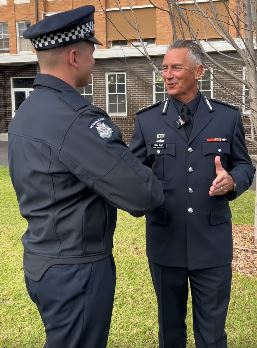






 To assist, go to